Patio Installation Delaware County PA

Outdoor Spaces That Actually Last
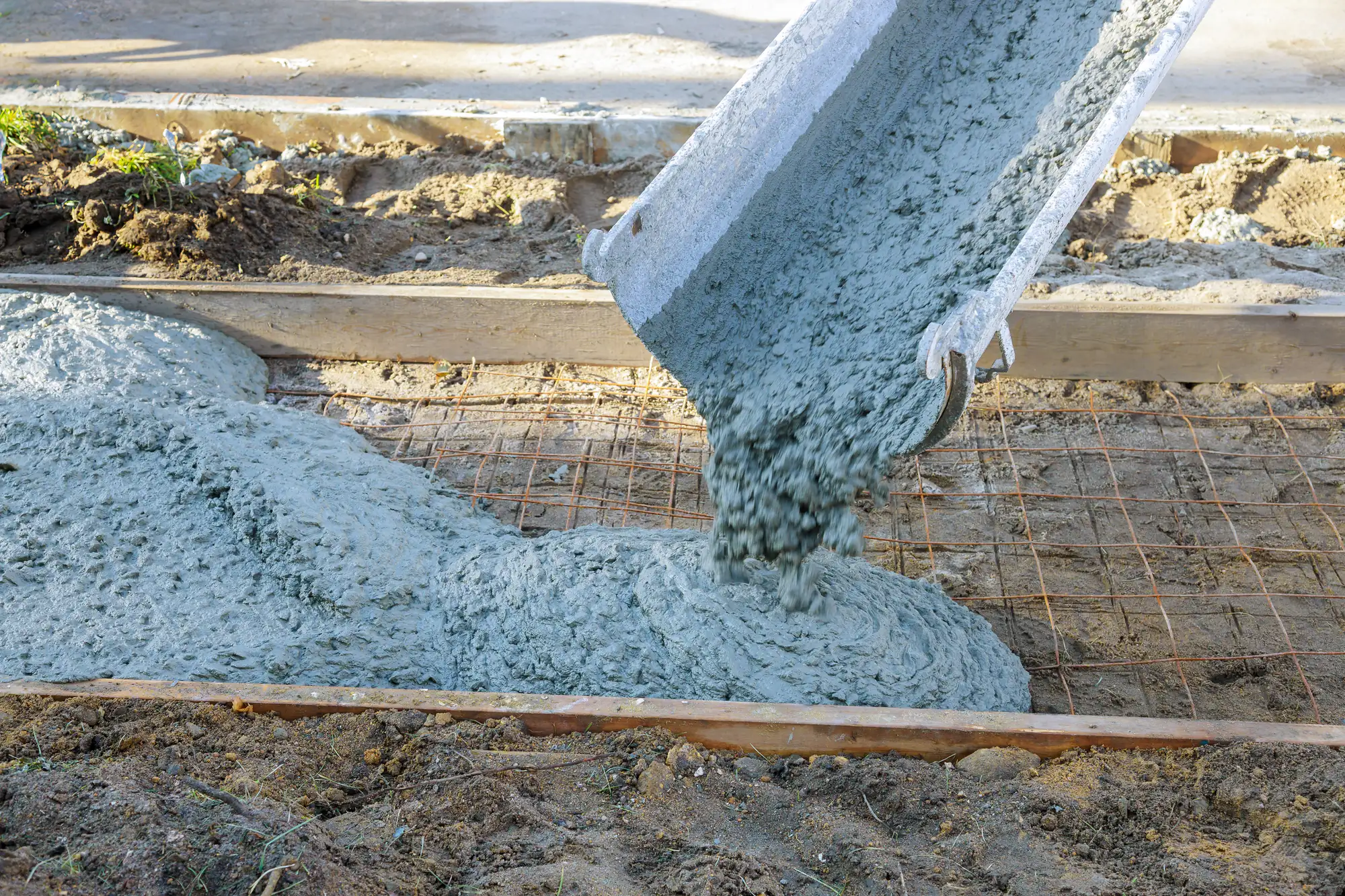
Professional patio installation with proper drainage, weather-smart scheduling, and zero ghosting after the job’s done. Custom designs built for Pennsylvania’s climate.

Projects Finished On Schedule

Realistic timelines based on actual site conditions and weather. No rushing through unsafe temps or wet ground just to check a box.

Still Here After Install

You'll reach us when questions come up months later. No disappearing acts, no unanswered calls when you need warranty support or guidance.

Drainage Planned First

Water goes where it should from day one. Grading and drainage mapped before any digging starts, preventing pooling and base erosion down the road.

One Team Start to Finish

Same crew handles excavation, base prep, material install, and cleanup. No coordination headaches, no finger-pointing if something needs adjusting mid-project.
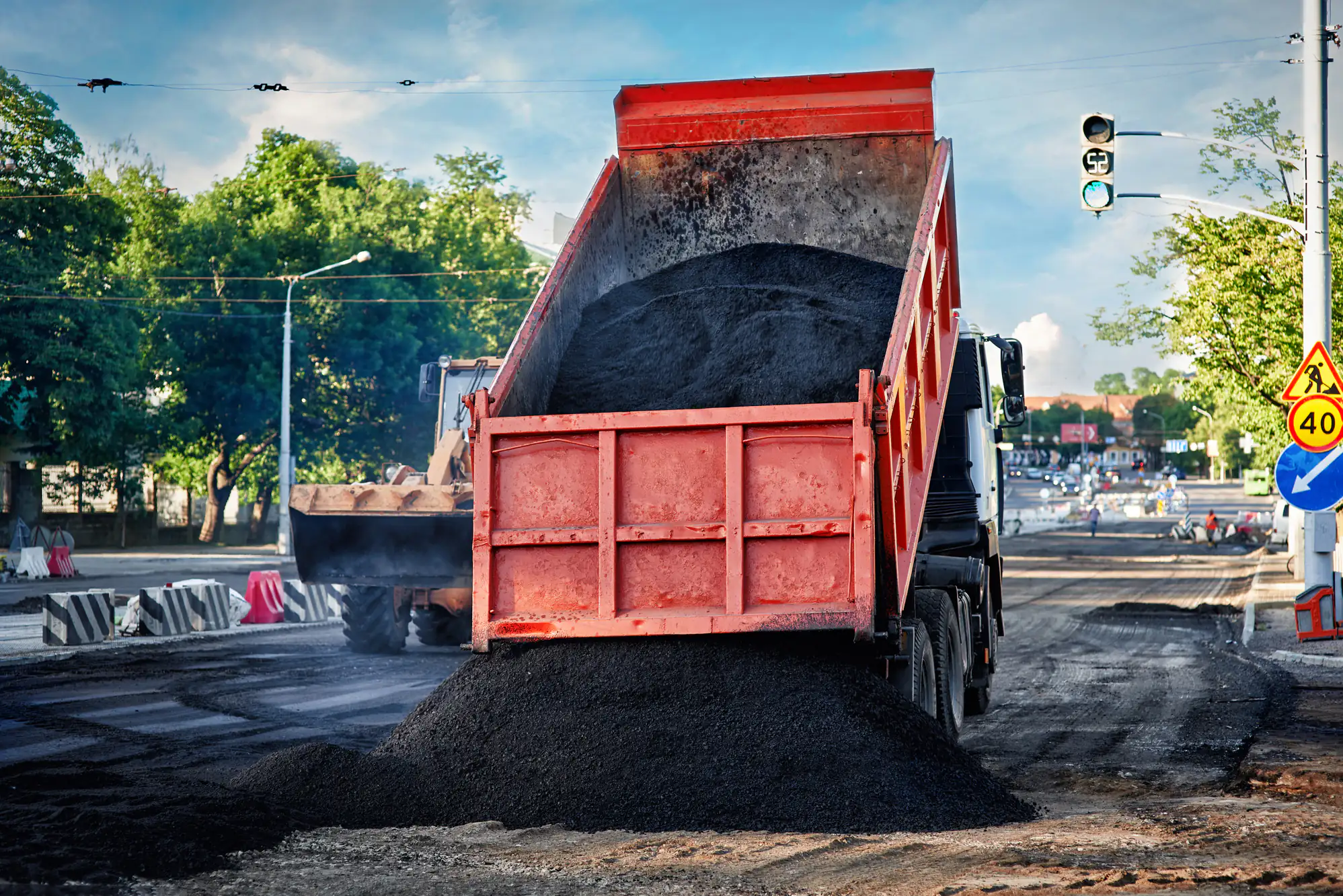
Custom Patio Design Delaware County

Your Backyard Deserves Better Than Generic

A patio is more than a flat surface in your yard. It’s where you’ll host summer dinners, where your kids will play, where you’ll unwind after long weeks. That’s why cookie-cutter approaches don’t work. Your property has unique drainage patterns, soil conditions, and sun exposure. Your lifestyle determines how you’ll actually use the space. We start every patio installation by understanding both—then design something that fits your property and how you live. Whether you’re drawn to the timeless look of flagstone, the versatility of pavers, or the clean lines of concrete, the material choice matters less than the foundation underneath and the planning that happens before we break ground.

Hear from Our Customers

Professional Patio Contractors Delaware County

What You Get Beyond the Install

A patio that handles Pennsylvania winters, drains properly, and doesn’t shift or sink three years from now because someone skipped the base work.
You'll stop second-guessing whether your contractor cut corners on the parts you can't see after install.
Water drains away from your foundation instead of pooling against your house or eroding the base layer.
Your patio stays level through freeze-thaw cycles instead of developing uneven sections that become trip hazards.
You'll reach someone who answers when you have questions six months after completion, not a disconnected number.
Your outdoor space actually gets used instead of sitting empty because it wasn't designed for how you live.
Material choices are based on PA climate performance and your actual budget, not whatever's easiest to install.
A bold, black circle with a large white number 1 centered inside—perfect for highlighting top picks in masonry or hardscape design projects.

Share project details

Call us or get a free online quote to help us identify your project needs.

A bold white number 2 centered inside a solid black circle on a transparent background, perfect for use in landscaping or landscape design projects.

We'll follow up

If you requested an online quote, you can expect a callback within 24-48 hours of your request.
A bold black number 3 centered inside a solid black circle evokes the strength and precision often seen in masonry and hardscape design, set on a transparent background.

The floor is yours

Connect with an expert and share all project specifics.

A bold, green number 4—ideal for landscaping or hardscape design—centered inside a solid black circle on a transparent background.

Plan your project

Like what you hear? We'll provide next steps and expert guidance.
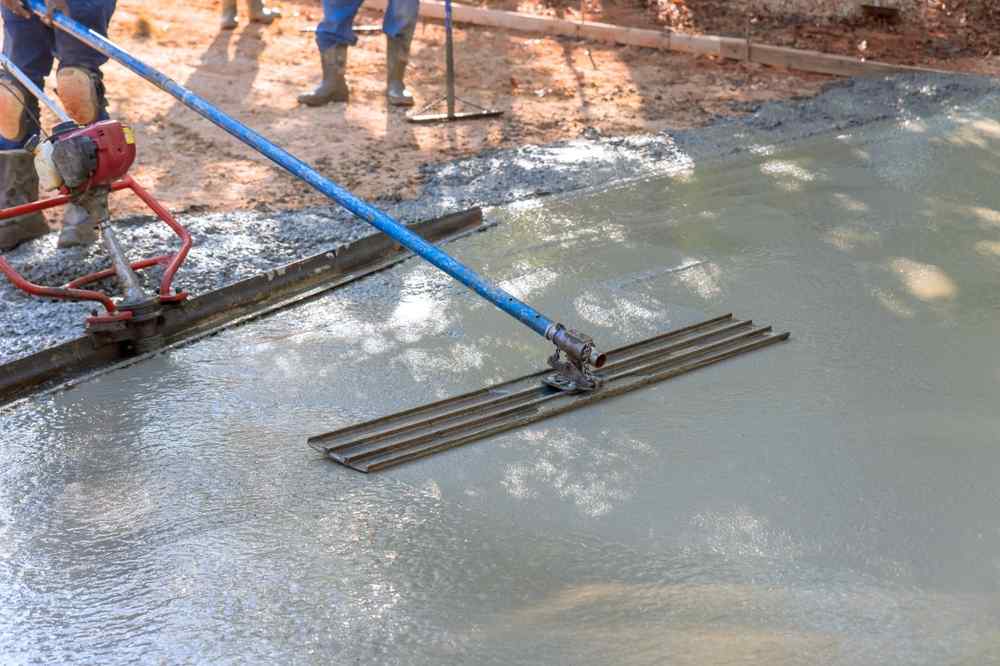
A person uses a long-handled tool to smooth and level freshly poured concrete on a construction site, showcasing essential masonry skills, while others stand nearby on the gravel.

Paver Patio Installation Process

Why Base Prep Matters More Than Surface Material

Most patio failures happen underground, not on top. The base layer determines whether your patio will still be level in ten years or start sinking and shifting after the first few winters. Proper excavation depth depends on your specific soil type and site drainage—not a one-size-fits-all number. We dig to the depth your property actually needs, then install compacted aggregate base material that creates stable footing and prevents settling over time. Pennsylvania’s freeze-thaw cycles are brutal on improperly installed patios. Water that gets trapped in the base freezes, expands, and pushes pavers out of alignment. That’s why we build in proper slope—about a quarter inch per foot away from structures—so water moves off the surface and doesn’t sit there eroding everything underneath. This isn’t optional prep work. It’s the difference between a patio that lasts fifty years and one that needs major repairs within five. The surface material you choose—pavers, flagstone, or concrete—matters for aesthetics and how the space feels underfoot. But all three will fail without proper base preparation and drainage planning. We walk you through material options based on how they perform in Delaware County’s climate, how they fit your design goals, and what makes sense for your budget. Then we install them correctly the first time.

Backyard Patio Ideas and Materials

Pavers, Flagstone, or Concrete—What Actually Fits
Pavers offer the most design flexibility and are easier to repair if damage happens years later. Individual pavers can be lifted and replaced without tearing up the entire patio. They handle Pennsylvania’s freeze-thaw cycles well because the joints between pavers allow slight movement instead of cracking like solid concrete. Concrete pavers come in endless colors and patterns. Natural stone pavers like bluestone bring that high-end look and exceptional durability. Flagstone creates that organic, high-end aesthetic that works beautifully with Delaware County’s traditional architecture. It stays cooler underfoot during summer, which matters if your patio gets full sun exposure. The irregular shapes and natural color variations give each installation a one-of-a-kind character. Flagstone costs more upfront than pavers or concrete, and installation is more labor-intensive because each piece needs to be fitted individually. But when installed properly on a solid base, flagstone patios last for generations. Poured concrete is the most budget-friendly option and can be stamped or stained to mimic more expensive materials. The downside? Concrete is prone to cracking in regions with frequent freeze-thaw cycles like ours. Once it cracks, repairs are visible and often require replacing large sections. For Delaware County properties, pavers and flagstone typically outperform concrete long-term, even with the higher initial investment.
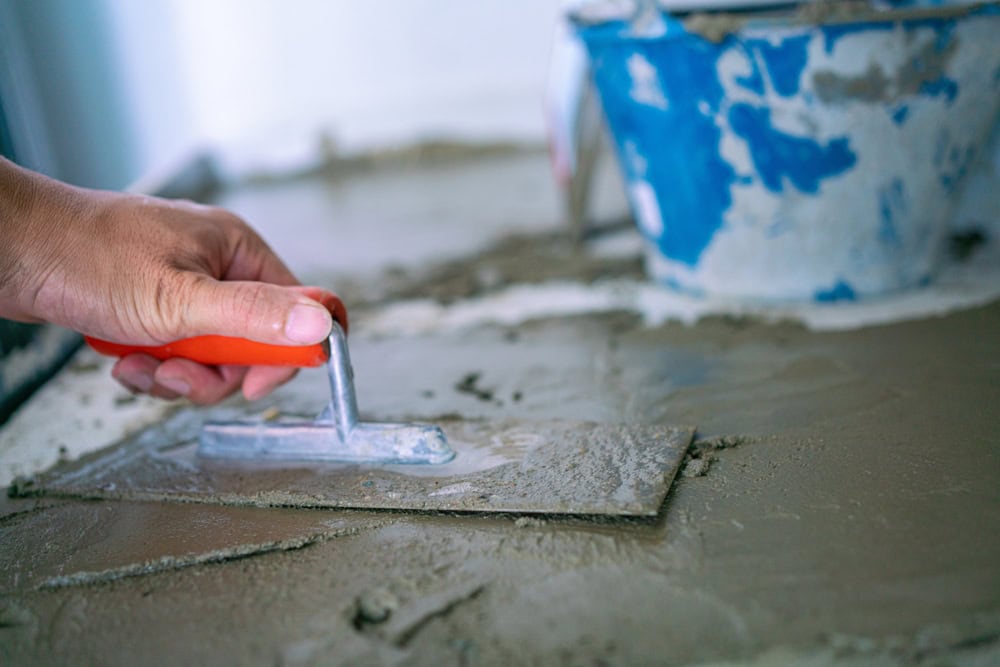
A close-up of a hand using a trowel to smooth wet cement, with a blue bucket in the background. The scene suggests hardscape design or home improvement as part of a larger landscaping project.
Patio Installation FAQs

Common Questions About Our Service

Professional patio installation in Delaware County typically runs between ten and seventeen dollars per square foot, depending on the materials you choose and your site conditions. A standard 300-square-foot patio usually falls in the range of three thousand to six thousand dollars for pavers or concrete. Flagstone installations cost more—often in the range of fifteen to twenty-five dollars per square foot—because of material costs and the labor-intensive installation process. These numbers include excavation, proper base preparation, drainage work, material installation, and finishing. If your property has challenging drainage issues, steep slopes, or requires significant grading work, costs will be higher. We provide clear estimates after assessing your specific site so you know exactly what you’re paying for and why.
For Delaware County’s freeze-thaw cycles, pavers and natural stone like bluestone or flagstone outperform poured concrete long-term. Pavers handle temperature swings well because the joints between individual pieces allow slight movement instead of cracking. Concrete tends to crack in areas with frequent freezing and thawing, and repairs are visible and often require replacing large sections. Flagstone is naturally durable and resistant to weathering, especially denser varieties like bluestone. The “best” material also depends on your budget and aesthetic goals. Concrete pavers offer the most design flexibility at a mid-range price point. Flagstone delivers that high-end, organic look but costs more upfront. Poured concrete is the most budget-friendly initially but may require more maintenance and repairs over time. We’ll walk you through the pros and cons of each option based on your specific property and how you plan to use the space.
Most patio installations in Delaware County take between three and seven business days from start to finish, depending on size and complexity. A straightforward 300-square-foot paver patio on relatively flat ground with good drainage typically takes three to four days. Larger patios, projects with multiple levels, or sites that need significant grading and drainage work can take a full week or longer. Weather plays a role too—we won’t install in wet conditions or when temperatures drop below forty degrees, because doing so compromises the base stability and long-term performance. If permits are required for your project, add two to four weeks to the timeline for permit approval before installation starts. We provide realistic timelines upfront and keep you updated if weather or site conditions affect the schedule. The goal is to do it right, not fast.
It depends on the scope of your project and which municipality you’re in within Delaware County. Many townships require permits for new patios or patio expansions, especially if the project increases impervious surface area on your property, which affects stormwater drainage. Some municipalities also have specific setback requirements—how far the patio must be from property lines. Covered patios or patios attached to structures often have different requirements than ground-level, freestanding installations. Permit requirements vary by township, so what’s required in one area might not apply in another. We handle permit research and applications for you, so you don’t have to navigate each municipality’s building department and zoning regulations. Getting permits right from the start prevents work stoppages, fines, and delays that happen when homeowners discover permit requirements mid-project.
The most common cause is inadequate base preparation or drainage problems that were never addressed before installation. If the base isn’t excavated deep enough, properly compacted, or built with the right materials for your soil type, it will settle unevenly over time. Water is the other major culprit. When water pools on or under a patio instead of draining away, it erodes the base material and creates voids that cause sinking. In Pennsylvania, freeze-thaw cycles make this worse—water gets into the base, freezes and expands, then thaws and creates gaps. Over time, this leads to uneven surfaces and pavers that shift out of place. Proper installation prevents these issues by excavating to the correct depth based on soil conditions, installing a compacted aggregate base, and grading the patio so water drains away from structures. Edge restraints also matter—they keep perimeter pavers from slowly creeping outward. When base prep and drainage are done right from the start, patios stay level for decades.
Yes. Patio design should complement your home’s architecture and how you actually use your outdoor space—not follow a template. We start by understanding your property’s style, whether that’s traditional colonial, contemporary, or something in between. Then we discuss how you’ll use the patio. Are you hosting large gatherings, creating a quiet retreat, or building an outdoor dining area? Material choices, layout, and scale all shift based on those answers. Pavers come in countless colors, shapes, and patterns that can match virtually any aesthetic. Flagstone offers that timeless, organic look that works beautifully with traditional Delaware County homes. Even concrete can be customized with stamps, textures, and stains. We bring material samples and design options to your property so you can see how they’ll actually look in your space, not just in a showroom. The goal is creating something that feels like a natural extension of your home and fits how you live.
A bold, black circle with a large white number 1 centered inside—perfect for highlighting top picks in masonry or hardscape design projects.

Site Assessment and Design

We measure your space, evaluate drainage patterns and soil conditions, discuss how you'll use the patio, and provide material recommendations with clear pricing.

A bold white number 2 centered inside a solid black circle on a transparent background, perfect for use in landscaping or landscape design projects.

Permit and Prep Work

We handle any required Delaware County permits, mark utility lines, and schedule installation during weather-appropriate conditions—never below 40 degrees or in wet conditions.

A bold black number 3 centered inside a solid black circle evokes the strength and precision often seen in masonry and hardscape design, set on a transparent background.

Installation and Finishing

Excavation to proper depth, compacted base installation, drainage grading, material placement, edge restraints, joint filling, and complete site cleanup before final walkthrough.

Cities we provide Patio Installation In