
Hear from Our Customers
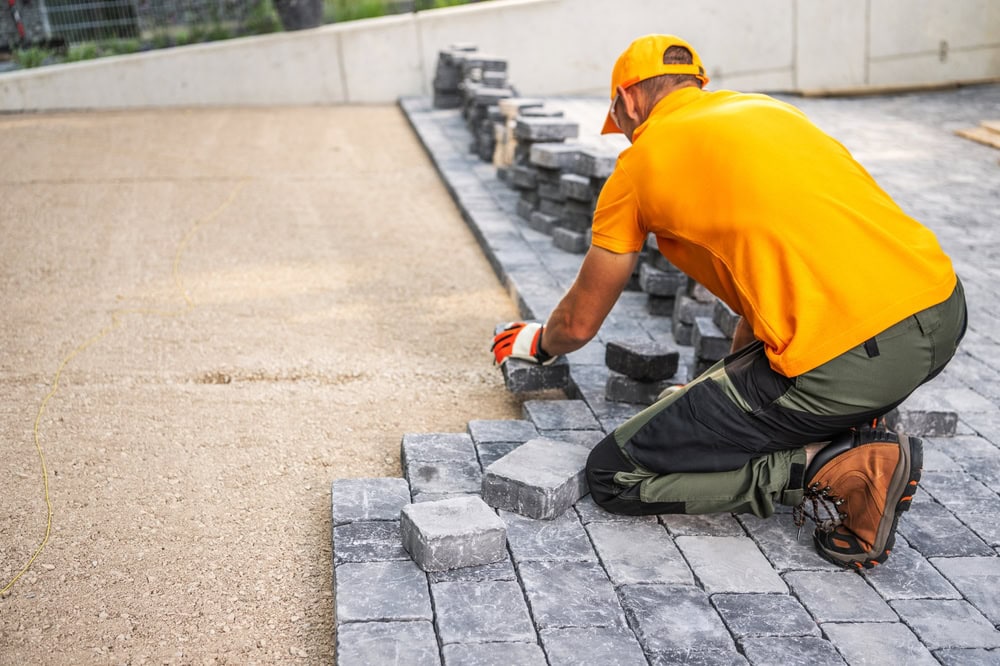
Most patio failures in Folsom don’t start at the surface. They start six inches below it. Delaware County sees 40 or more freeze-thaw cycles every year, and when a base isn’t compacted correctly or drainage isn’t sloped away from the house, that cycle does real damage fast. What looks solid in October can be buckled and sunken by March.
The homes in this part of Ridley Township were built mostly in the 1950s and 1960s. A lot of them still have the original concrete work to show for it cracked, heaved, and long past its useful life. When you replace that with a properly installed paver or flagstone patio, you’re not just upgrading the look of your backyard. You’re correcting a drainage problem, building something that can actually be repaired if one section shifts, and adding real value to a home that’s already worth protecting.
A professionally installed patio in Folsom returns more than 80% of its cost at resale. Paver patios specifically outperform plain concrete by 30 to 50% on ROI. For a homeowner who’s been in their property for a decade or more, that’s not a small thing it’s a smart use of the equity you’ve already built.
We’re based in Aston a few miles from Folsom, in the same county, working in the same climate. This isn’t a regional operation dispatching crews from an hour away. Renato Spennato and our team work in Ridley Township regularly, and we understand what these properties actually need: proper base depth for freeze-thaw conditions, drainage grading that protects older foundations, and designs that fit the character of mid-century homes rather than clash with them.
There’s no subcontractor juggling here. The crew that starts your project is the crew that finishes it, and Renato is reachable before, during, and after the job. That kind of accountability matters in a community like Folsom, where a contractor’s reputation is built one neighbor at a time.
Pricing is published openly $15 to $50 per square foot depending on material, with most projects landing between $3,500 and $12,000. You’ll know what you’re working with before you ever pick up the phone.
It starts with a consultation where you walk through what you want how you use your backyard, what materials appeal to you, what your budget looks like. From there, we build a design around your specific space. Folsom lots are typically around a quarter acre, and many have mature trees, detached garages, or other features that shape what’s possible. The design accounts for all of that.
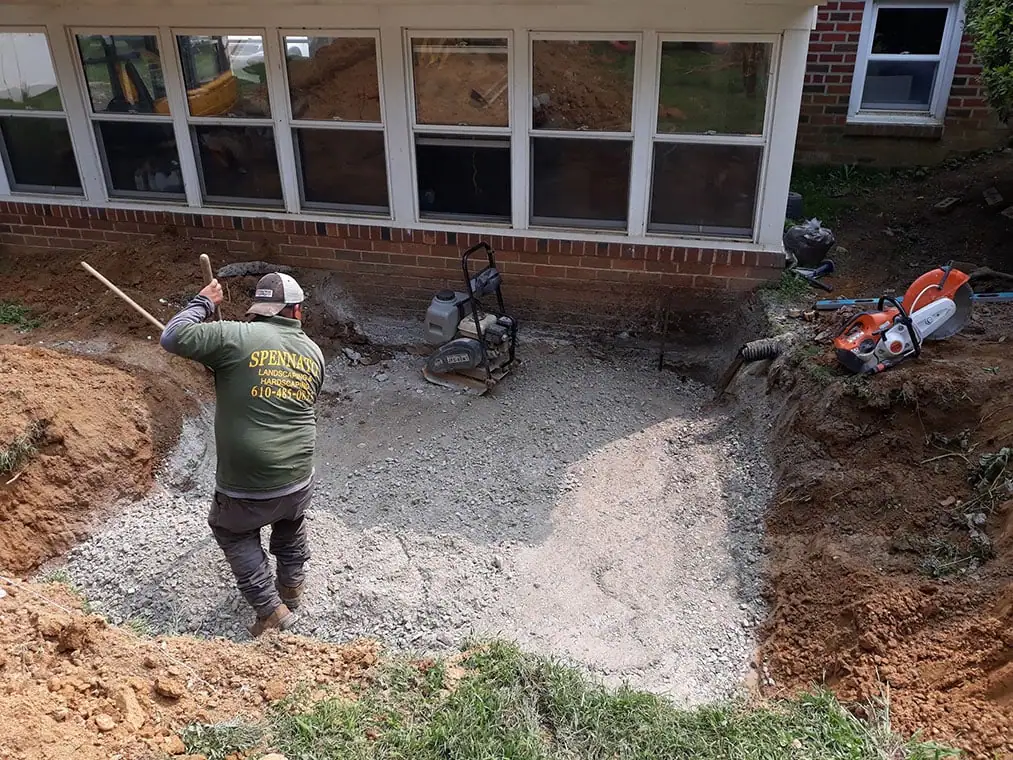
Once the plan is set, site preparation comes first. That means excavation, grading for drainage, and installing a compacted crushed gravel base at least five inches deep, properly compacted. This is the part most homeowners never see, and it’s the part that determines whether your patio lasts five years or twenty-five. In Ridley Township, contractors are required to be licensed with the township before performing construction work, and permits are pulled for new or enlarged hardscape as part of the standard process not something you have to chase down yourself.
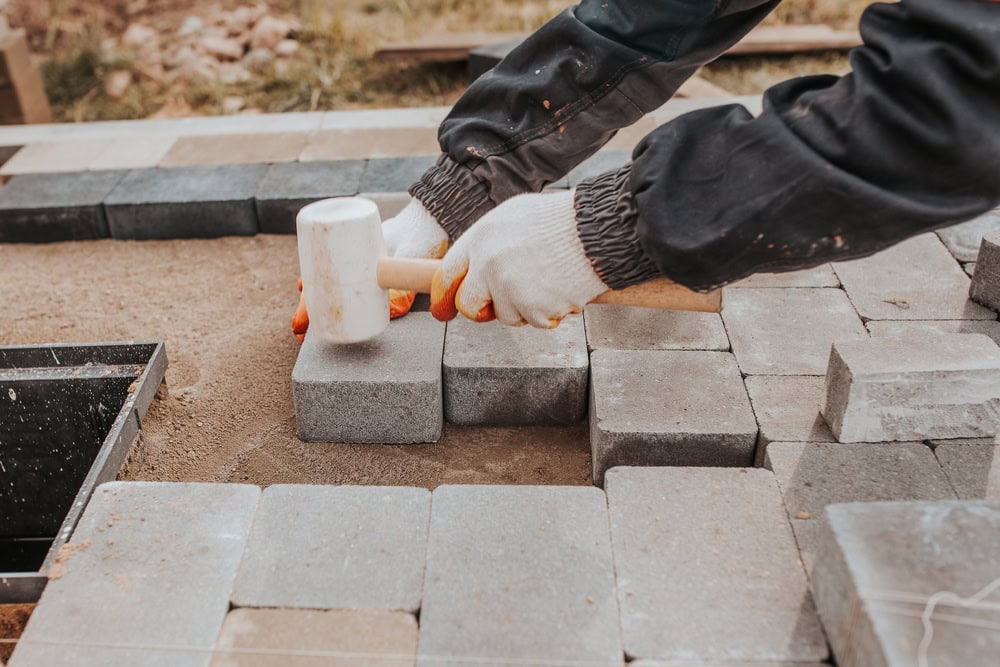
After the base is done, the surface material goes in pavers, flagstone, or concrete depending on what you’ve chosen followed by polymeric jointing sand and sealing. Final cleanup, a walkthrough with you, and the job is done. No lingering crew, no unfinished edges, no waiting around for someone to come back and finish what they started.
Ready to get started?
The material conversation is worth having honestly, because the right choice depends on your specific situation not on what’s easiest to install or most profitable to sell. Interlocking concrete pavers are the most popular option for Folsom homeowners and for good reason. They handle freeze-thaw cycles better than poured concrete, they offer more design flexibility, and if one section ever shifts or a paver cracks, you replace that section not the whole patio. That repairability matters a lot in a climate like Delaware County’s.
Natural flagstone and Pennsylvania Bluestone are a strong fit for the older Colonial Revival and Cape Cod homes that make up most of Folsom’s housing stock. The organic look complements the brick and stone character of mid-century architecture in a way that a stamped concrete pattern often doesn’t. It’s a higher upfront cost than pavers, but the aesthetic result can be genuinely striking.
Concrete stamped or plain is the most cost-effective option at the surface level. It works well for homeowners with a tighter budget who want a clean, functional outdoor space without the per-square-foot cost of pavers. The trade-off is that poured concrete is less forgiving under repeated freeze-thaw stress, and when it fails, it requires full removal and replacement. For a backyard patio on a Folsom property where drainage and base prep are done correctly, concrete can perform well but the base work has to be right, and that’s true regardless of which surface you choose.

For most paver and flagstone patios in Ridley Township, a zoning permit is required even if the project doesn’t involve a foundation or structural work. If you’re adding a covered structure like a pergola with a solid roof, that triggers additional review because it adds to the gross floor area calculation under township code. Ridley Township Code Enforcement is the point of contact, and they actively monitor construction activity in Folsom and the surrounding area.
The practical reason this matters: Ridley Township requires a code compliance certification as part of the home sale settlement process. Unpermitted work can create real complications when you go to sell. We handle the permit process as part of the job it’s not something you should have to figure out on your own. When you work with us, permits are part of the standard scope, not an afterthought.
The honest range is $15 to $50 per square foot, depending on the material you choose and the complexity of the site. Most residential patio projects in Folsom fall somewhere between $3,500 and $12,000. A straightforward concrete patio on a flat lot with no drainage complications sits at the lower end of that range. A natural flagstone or custom paver patio with drainage grading and edge detailing sits higher.
One thing worth knowing: the base preparation excavation, compaction, drainage grading is a significant part of the cost, and it’s the part that determines how long the patio actually lasts. Contractors who come in with a noticeably lower quote are often cutting corners on base depth or skipping the drainage work. In Delaware County’s freeze-thaw climate, that’s a gamble that usually shows up within the first two or three winters. Paying for it to be done right once is almost always less expensive than paying to have it torn out and rebuilt.
Interlocking concrete pavers are generally the most durable option for this climate. The individual units flex slightly with ground movement during freeze-thaw cycles rather than cracking as a single slab would. When base preparation is done correctly proper depth, proper compaction, proper drainage slope a paver patio in Delaware County can hold up for 20 to 30 years with minimal maintenance.
Poured concrete is more vulnerable to freeze-thaw stress because it expands and contracts as a single rigid unit. A crack in one section eventually spreads, and the repair options are limited. Natural flagstone and Pennsylvania Bluestone sit in the middle durable and beautiful, but the mortar joints require occasional attention over time. The material choice matters, but the base work underneath matters more.
For a typical residential patio in Folsom somewhere in the 200 to 400 square foot range the actual installation usually takes two to four days once the project is underway. Larger projects or those with more complex drainage work or design features can run closer to a week. The timeline that matters more for most homeowners is the scheduling lead time: spring is the busiest season for patio contractors in Delaware County, and crews book up quickly between April and June.
If you want a patio ready for summer entertaining, the time to plan is late winter January through March. Homeowners who wait until May are often looking at a late summer or early fall installation date. Fall installation is absolutely possible in this area; the key is getting the project done before the first hard frost, which typically arrives in Ridley Township in late October or early November, to allow the base to settle properly before freeze-thaw cycles begin.
The biggest practical difference comes down to what happens when something goes wrong. With a paver patio, if one section settles or a paver cracks, you pull that section, regrade the base, and reset the pavers. The repair is contained and relatively affordable. With poured concrete, a crack in one area tends to spread, and the fix is either a patch that never quite matches or a full removal and replacement. For a homeowner in Folsom who’s planning to stay in their property for another 10 or 15 years, that repairability is worth paying for upfront.
Pavers also offer more design flexibility different patterns, colors, and border treatments that can complement the architectural character of older homes in this area. Concrete is more cost-effective at the start and works well for homeowners with a straightforward project and a tighter budget. The ROI difference is real: paver patios return 30 to 50% more at resale than plain concrete, which matters when your home is worth $350,000 or more and you’re thinking about long-term equity.
Yes and for a lot of Folsom homeowners, this is actually one of the most valuable outcomes of a patio installation. Many of the homes in this part of Ridley Township were built in the 1950s and 1960s, and the original grading around them wasn’t always done with the foundation in mind. Over decades, landscaping shifts, soil settles, and what was once a neutral grade can end up directing water toward the house rather than away from it.
A properly installed patio establishes a minimum slope of one-eighth inch per foot away from the foundation, which redirects surface water before it can pool against the house or work its way into the basement. This isn’t a secondary benefit it’s part of how the patio is built. If your current backyard has a water pooling problem near the foundation, a new patio is a legitimate opportunity to correct it permanently rather than just pave over it. That’s a conversation worth having during the initial consultation so the drainage plan is built into the design from the start.
Useful Links