
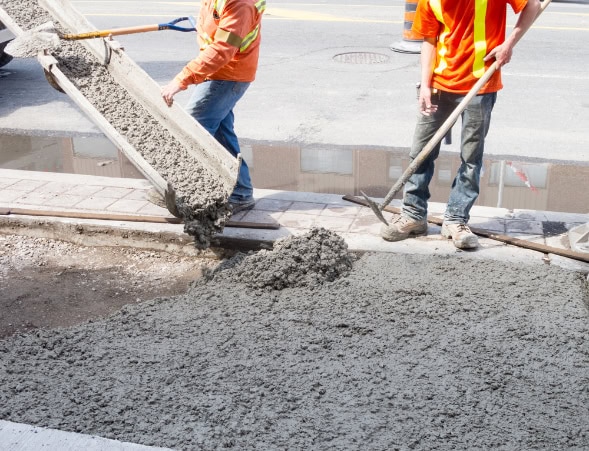
Hear from Our Customers
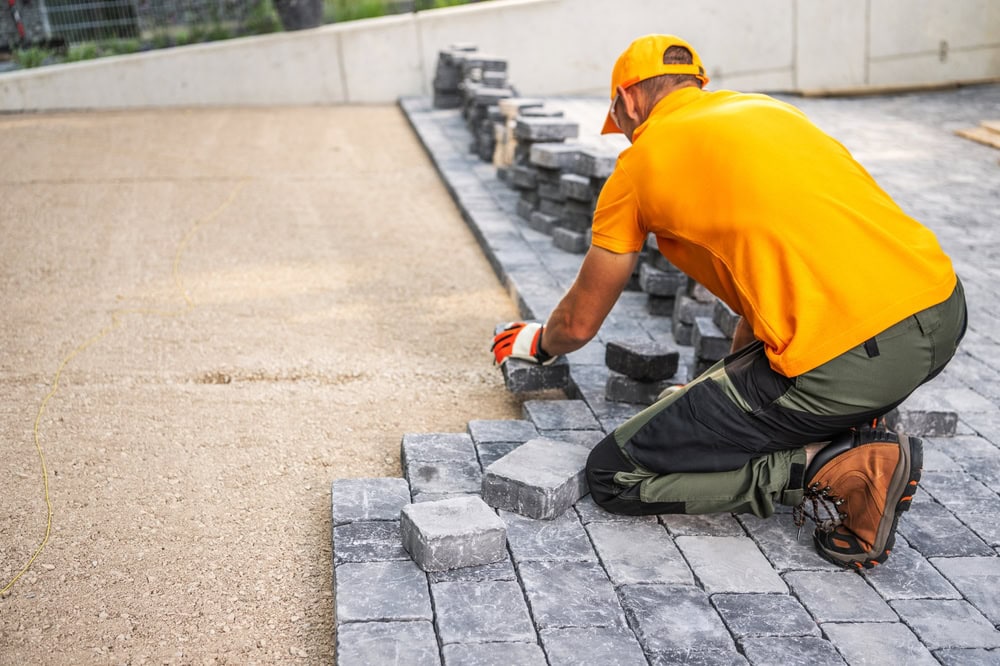
When your rear yard is 20 by 30 feet or less every square foot matters. A well-built patio doesn’t just look better than a cracked concrete slab or a muddy patch of grass. It gives your family a real place to land at the end of the day. Somewhere to grill, sit outside, let the kids play, and actually use the space you’re paying property taxes on.
For Glenolden homeowners, that matters more than it might somewhere else. The homes here are older mostly pre-1960 construction and the lots are modest. You’re not working with a half-acre canvas. You’re working with what you have, and the right patio design makes a compact Glenolden yard feel intentional and complete rather than like an afterthought.
There’s also the long-term side of it. Professionally installed patios return more than 80% of their cost at resale, and paver patios specifically return 30 to 50% more than plain concrete. For a home in Glenolden, that’s a real number. A patio built on a properly prepared base one that accounts for the freeze-thaw cycles southeastern Pennsylvania puts it through every single winter will still look right in year ten. One that isn’t built that way usually shows it by year two.
We’re based in Aston, PA right here in Delaware County and have been doing this work in Glenolden and surrounding communities for over 15 years. That means we know the soil conditions, the lot sizes, the housing types, and the drainage patterns that are specific to this part of the county. It’s not the same job in Glenolden as it is in a newer subdivision out in Concord Township, and our approach reflects that.
Renato Spennato’s name is on every project. That kind of accountability matters in a trade where it’s easy for a contractor to take a deposit and become unreachable. When you hire us, you know who’s responsible before the work starts and after it’s done.
From the row homes near Briarcliffe to the detached Foursquares along Glenolden’s residential streets, we’ve worked with the kinds of properties this borough actually has. No templates built for bigger lots. No crews handed off mid-project. Just one experienced team that finishes what it starts.
It starts with a conversation about how you actually use your outdoor space not a sales pitch about materials. What do you want to do out there? How much room are you working with? Are there drainage issues or grade changes that need to be addressed? For a lot of Glenolden properties, especially the older homes on flatter lots with clay-heavy soil, drainage is a real design consideration that we build into the plan from the beginning, not patch in after the fact.
From there, you get a written estimate with a clear scope and timeline. No vague ranges that shift after you’ve already said yes. Most projects in Glenolden fall somewhere between $3,500 and $12,000 depending on size, material, and site conditions and you’ll know where yours lands before any work begins. If a permit is required through Glenolden Borough, we handle that process as part of the project, not drop it in your lap.
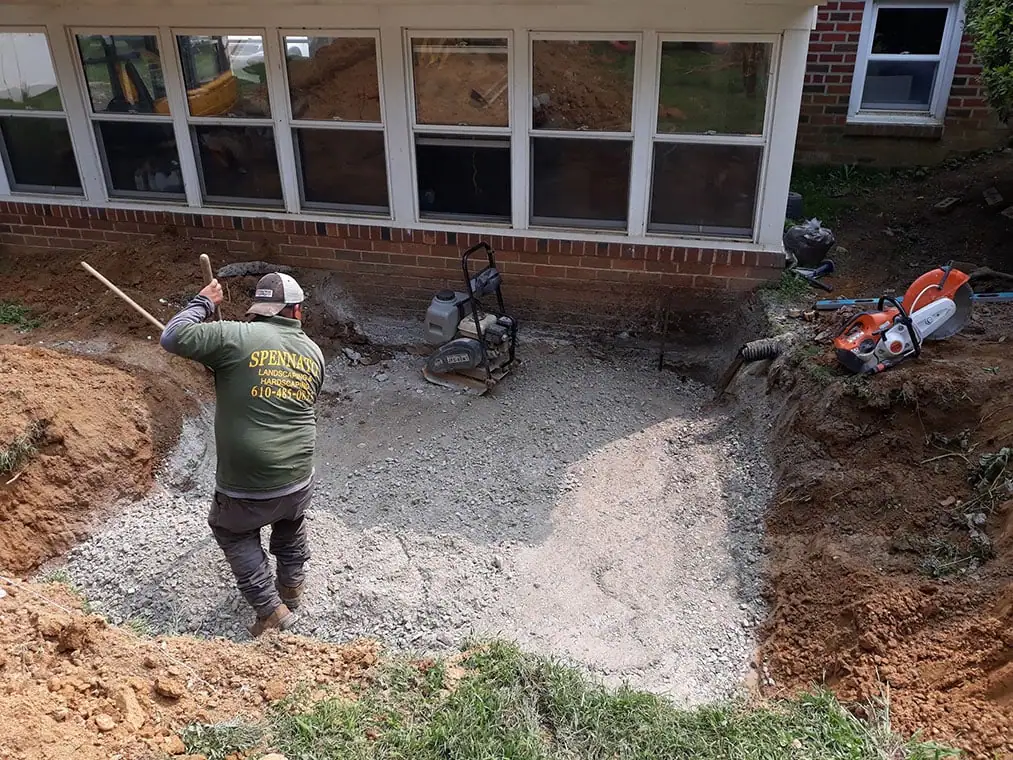
Installation starts with excavation and base preparation the part most homeowners never see but that determines everything about how the patio holds up. In Delaware County, that means a base built to handle 30 or more freeze-thaw cycles per year. Compaction, drainage slope, edge restraints all of it done before the first paver or stone goes down. After that, the surface installation, final grading, and cleanup. When our crew leaves, the yard is cleaner than it was when we arrived.
Ready to get started?
The three main material directions for patio installation in Glenolden are interlocking concrete pavers, natural stone and flagstone, and poured or stamped concrete. Each one fits a different combination of budget, aesthetic, and long-term priority and the right choice depends on your specific yard, your home’s architecture, and what you’re trying to get out of the space.
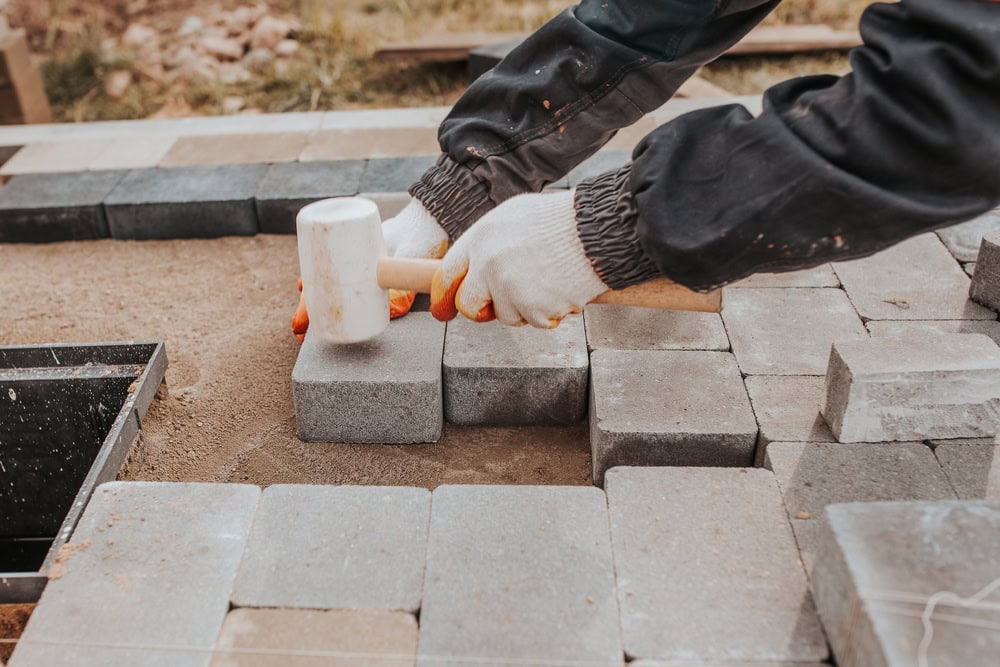
Pavers are the most popular choice in this area for good reason. If the base shifts after a hard winter and in southeastern Pennsylvania’s clay soil, it can individual pavers can be reset without tearing out the entire surface. That’s a meaningful advantage over poured concrete, which has to be broken out and replaced when it cracks. For Glenolden’s older homes, Pennsylvania Bluestone and Full Color Pennsylvania Flagstone are natural fits they complement the traditional character of American Foursquares and Dutch Colonials in a way that a standard gray concrete slab simply doesn’t.
Stamped or decorative concrete is a solid option for homeowners who want a visual upgrade at a lower entry price point. It’s worth understanding the trade-offs going in: concrete is more vulnerable to freeze-thaw cracking over time, and repairs are less forgiving than with pavers. For a small Glenolden backyard where the patio will see heavy use year-round, pavers tend to hold their value better over the long run. Whatever direction you go, the base preparation is the same built for this climate, not for somewhere with milder winters.

It depends on the scope of the project. In Glenolden, the borough administers the Pennsylvania Uniform Construction Code, and the Zoning Officer reviews permit applications for residential construction. At-grade patios often fall below the threshold that triggers a full permit requirement, but that depends on factors like size, proximity to property lines, and whether any grading or drainage work is involved. It’s always worth confirming with the Glenolden Borough office at 36 Boon Ave before any work begins they’re available Monday through Friday, 8 AM to 4 PM.
When you work with us, you don’t have to figure that out on your own. If a permit is required for your specific project, we handle it as part of the process. You won’t be left trying to navigate the borough’s forms and approval timeline while a crew is waiting to start.
Southeastern Pennsylvania sees 30 or more freeze-thaw cycles every year. That means the ground freezes, thaws, refreezes, and shifts repeatedly from late fall through early spring. Poured concrete is a single rigid slab, so when the base underneath it shifts, the concrete cracks. Once it cracks, the repair options are limited: you can patch it, but you can’t make it look like it did before, and a patch won’t stop the underlying movement from causing new cracks.
Pavers handle that movement differently. Because each paver is an individual unit, the surface can flex slightly with the ground without breaking. If a section does settle or shift after a particularly rough winter, individual pavers can be lifted, the base can be releveled, and they can be reset no demolition required. For a Glenolden homeowner making a real investment in their backyard, that repairability is a meaningful long-term advantage.
Most row home and twin rear yards in Glenolden run somewhere between 150 and 400 square feet of usable space. A patio doesn’t need to fill the entire yard to feel complete in fact, trying to pave everything usually makes a small yard feel smaller, not larger. A well-proportioned patio for a compact Glenolden backyard typically covers the dining or gathering zone and leaves some green space around the edges. That balance is what makes the space feel intentional rather than cramped.
The design conversation starts with how you actually use the space. If you’re primarily grilling and sitting outside with a few people, a 12-by-16 or 14-by-18 footprint is usually enough to work well. If you want a defined zone for kids to play separate from a seating area, that changes the layout. Small-yard patio design is genuinely different from designing for a large suburban lot it requires more thought about proportion, edge treatment, and how the patio relates to the rest of the yard.
Most residential patio projects in Glenolden fall somewhere between $3,500 and $12,000, depending on the size of the patio, the material you choose, and the site conditions. The per-square-foot range runs from about $15 on the lower end for simpler concrete work to $50 or more for premium natural stone with complex patterns or significant base work. For a typical Glenolden backyard say, a 200 to 300 square foot paver patio you’re generally looking at somewhere in the $5,000 to $9,000 range as a realistic starting point.
Site conditions can affect that number. If there’s significant grading needed, existing concrete to remove, or drainage issues to address which are common on older Glenolden properties with clay-heavy soil that adds to the scope. The clearest way to get an accurate number is a site visit, but the ranges above should give you a realistic picture before you make any calls.
The installation window in Delaware County runs roughly from April through October. May through August is the busiest stretch, which means contractor availability gets tighter and scheduling lead times get longer as spring approaches. If you’re planning a patio for this year, the best time to start the conversation is late winter January through March when schedules are more open and you can lock in a spring installation slot before the rush.
Fall installation September and October is underrated. The ground is still workable, the weather is cooperative, and you’re not competing with the peak spring demand. As long as the base has time to settle before the first hard freeze, typically in November in this area, a fall-installed patio will perform just as well as one installed in May. Some homeowners also find that planning in the off-season means more time for the design conversation and less pressure to rush decisions.
A few questions are worth asking before you commit to anyone. First, ask specifically how they prepare the base what depth, what compaction method, and how they handle drainage slope. In Glenolden’s freeze-thaw climate, base preparation is the single biggest factor in how long a patio lasts. A contractor who can’t explain their base process in plain terms is a contractor who may not be building it correctly.
Second, ask who will actually be on your property doing the work. Some contractors bid jobs and hand them off to whoever’s available. Knowing whether you’re getting the same crew from start to finish matters, especially on smaller jobs where accountability can get loose. Third, ask what happens if something goes wrong six months after installation. You want to know that the person you’re hiring will still be reachable not just available before the check clears. A named, local contractor with a verifiable track record in Delaware County is a much safer bet than an anonymous LLC that won’t be around when you need them.
Useful Links