
Hear from Our Customers
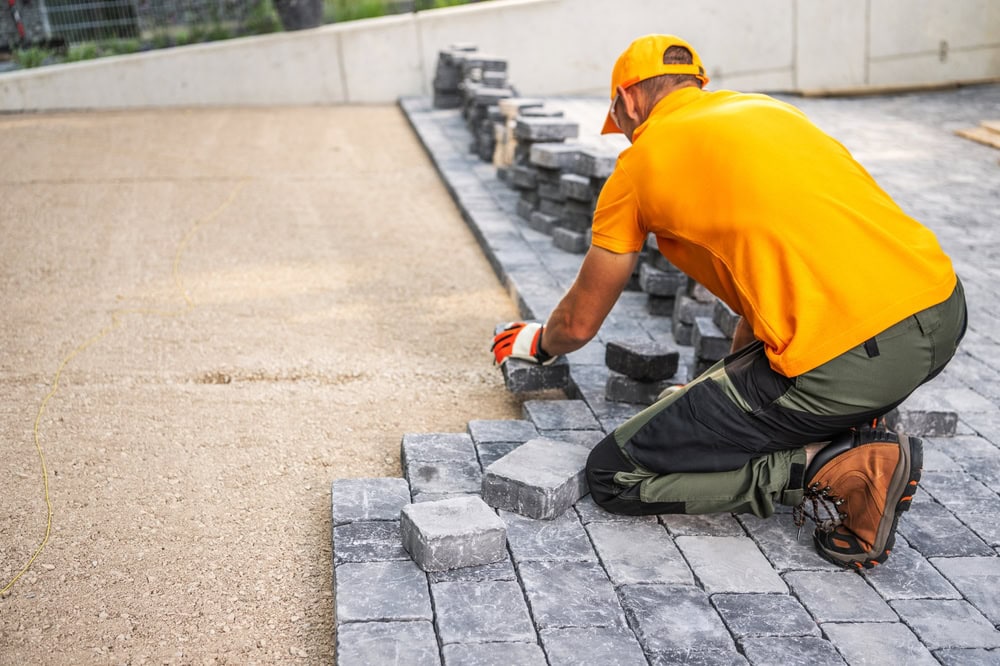
Most patio problems don’t start at the surface. They start six inches below it. When the base isn’t excavated deep enough, compacted properly, or graded away from the foundation, the first few Norwood winters do the rest water gets in, freezes, expands, and your patio starts shifting before you’ve even had a full season on it. A properly built patio doesn’t just look better. It stays level, drains correctly, and doesn’t hand you a repair bill two years after installation.
For homeowners in Norwood, where a lot of the housing stock goes back to the 1950s and 1960s, this matters more than most people realize. A lot of those original concrete slabs are cracked, spalling, and draining toward the house instead of away from it. Replacing that slab isn’t just an upgrade it’s a chance to fix the drainage, rebuild the base the right way, and end up with something that actually performs. Whether you’re working with a 15×20 backyard or something slightly larger, the design has to fit how you live in it, not just how it photographs.
Norwood homes are also moving fast averaging around 12 days on market. A well-installed paver or flagstone patio returns more than 80% of its cost at resale, and pavers specifically outperform plain concrete by 30–50% on ROI. If you’re staying, you’ll use it every season. If you’re selling within the next few years, it comes back to you.
We’re based in Aston, PA a few miles down the Route 13 corridor from Norwood. This isn’t a Wilmington company with a landing page. We’re a Delaware County operation that works in Norwood and surrounding neighborhoods, understands Delaware County soil conditions, and knows what Norwood Borough’s setback rules actually say before a single shovel goes in the ground.
Renato Spennato runs the business and our crew does the work no subcontractors, no rotating project managers, no one passing the phone when you call with a question after the job is done. Customers have called him out by name in reviews specifically for listening, following through, and not disappearing once the project wraps. In a borough as close-knit as Norwood, where word travels fast from block to block, that kind of accountability isn’t a marketing point. It’s how a reputation gets built.
Pricing is published openly: $15–$50 per square foot depending on material, with most projects falling between $3,500 and $12,000. You’ll know the range before you ever pick up the phone.
It starts with a conversation about how you use your backyard or how you want to. Norwood lots don’t give you a lot of margin for error, so the design phase matters. Before anything is drawn up, we need to understand your footprint, your priorities, and your budget. From there, you get a clear scope and a real number not a range designed to get you on the phone and expand once work begins.
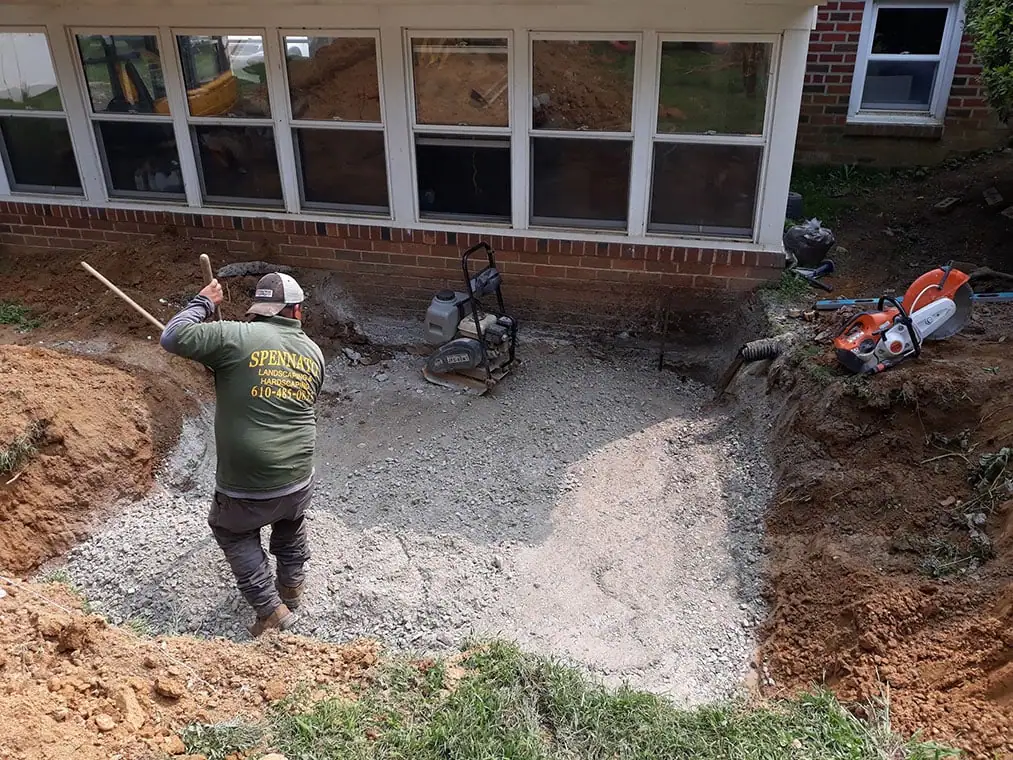
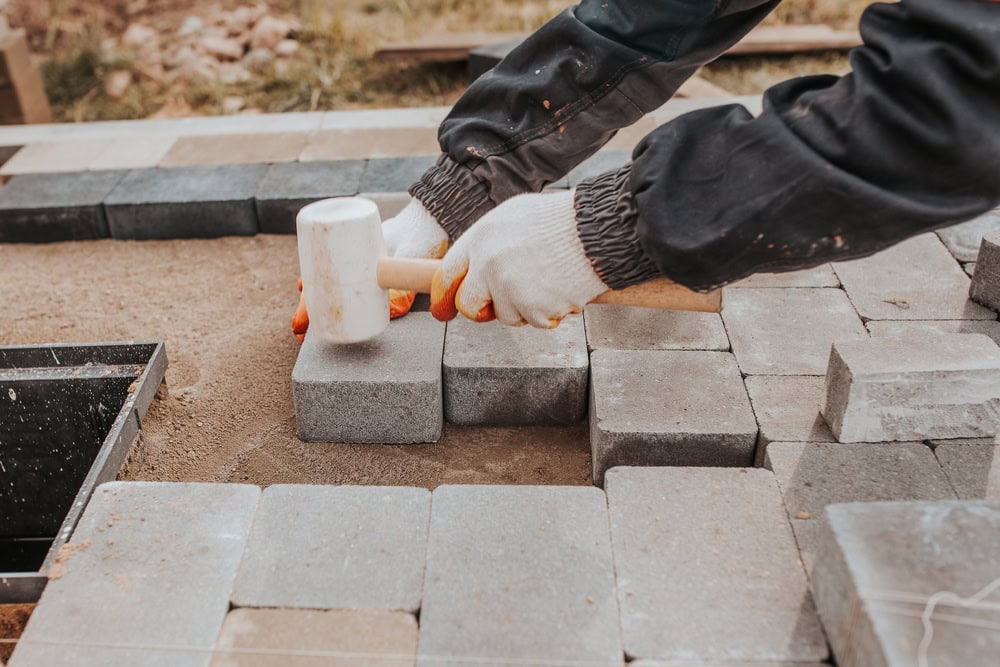
Once the project is scheduled, our crew handles everything: demolition and haul-away of any existing concrete or old surface material, excavation to the correct depth for Pennsylvania’s freeze-thaw conditions, base preparation with properly compacted aggregate, and surface installation using whatever material fits the design pavers, flagstone, natural stone, or concrete. Drainage slope is set away from your foundation as a standard part of the process, not an add-on. Norwood Borough requires a building permit for outdoor structures, and if your project triggers that requirement, we handle it correctly from the start including awareness of the borough’s rear yard setback rules for unenclosed structures.
The job wraps with a full cleanup and a walkthrough so you can see exactly what was done and why. If anything needs attention after the fact, you call the same number you called at the beginning and someone actually picks up.
Ready to get started?
The material you choose changes the look, the maintenance, and the long-term performance of your patio and in Norwood, the right choice usually comes down to your home’s character, your lot size, and how you plan to use the space. For the Colonial Revivals, Cape Cods, and ranch homes that make up most of Norwood’s housing stock, natural materials tend to feel more intentional. Pennsylvania Bluestone and irregular flagstone complement older architecture in a way that stamped concrete rarely does. Paver patio installation gives you more flexibility in pattern and color while delivering the same durability and freeze-thaw resistance when installed correctly.
For compact Norwood backyards, patio design is about creating defined zones a dining area, a lounge space, a transition from the back door rather than just laying a flat surface and calling it done. A covered patio structure can extend your usable season well into fall, which matters in a climate that gives you maybe six solid months of outdoor weather. Small patio ideas that maximize a modest footprint are a genuine specialty here, not an afterthought.
Concrete patio options are also available for homeowners working with tighter budgets or replacing a straightforward slab. Whatever direction makes sense for your property, the process starts with an honest conversation about what fits not an upsell toward the most expensive option on the board.

It depends on the scope of the project, but in Norwood Borough, building permits are required for outdoor structures, and applications are reviewed through the borough’s Construction Code Enforcement department. The review window is typically 15 days from submission. Norwood’s zoning code also includes a specific provision worth knowing: unenclosed structures like decks and similar additions cannot extend more than seven feet into required rear yards. That’s a borough-level rule, not a county-wide standard, and it affects how certain patio designs are laid out particularly on the smaller lots common throughout Norwood.
We handle the permit process correctly from the beginning, not as a problem flagged after work has already started. If your project requires a permit, that step is factored into the timeline upfront so there are no surprises mid-installation.
For most Norwood homeowners, patio installation falls somewhere between $3,500 and $12,000, depending on the material, the size of the space, and whether any demolition of an existing concrete slab is involved. The per-square-foot range runs $15–$50, with natural stone and flagstone options sitting toward the higher end and standard concrete toward the lower. Paver patio installation typically lands in the middle of that range and is the most common choice for Delaware County residential projects.
A few things can affect the final number in Norwood specifically: if there’s an aging concrete slab that needs to be broken up and hauled away, that adds to the cost. If the existing grade drains toward the house which is common on older Norwood properties correcting that drainage adds work but is worth doing. Getting an accurate quote means walking the space and talking through what’s actually there, not just estimating square footage on a call.
The short answer is base failure. Southeastern Pennsylvania including Norwood goes through 40 or more freeze-thaw cycles in an average winter. When water gets into a base that wasn’t compacted properly or wasn’t excavated deep enough, it freezes, expands, and pushes the surface material upward. You end up with pavers that rock, joints that open up, and edges that start to separate. None of that is a surface problem. It’s a base problem that shows up at the surface.
The fix isn’t patching it’s rebuilding the base correctly the first time. That means excavating to the right depth for frost-area conditions, using properly graded aggregate, compacting it to the right density, and setting the slope so water moves away from the foundation rather than sitting under the surface. When those steps are done right, a paver patio in Norwood handles Pennsylvania winters without issue for decades. When they’re skipped or rushed, the first cold season tells you everything.
Most of Norwood’s homes were built between the 1950s and 1970s Colonial Revivals, Cape Cods, ranch-style houses on established lots with mature trees and settled landscaping. For that kind of architecture, natural stone and flagstone tend to be the strongest fit. Pennsylvania Bluestone in particular has a character that complements older Delaware County homes without looking like an addition that doesn’t belong. Irregular flagstone gives you a more organic look that works well in yards with mature plantings and natural shade.
Paver patio installation is a close second and offers more flexibility in pattern, color, and edge detail. It’s also slightly more forgiving to install around tree roots and irregular grade changes, which are common on Norwood’s older lots. Stamped concrete is an option for homeowners focused on budget, but it tends to show its age faster on properties with heavy tree canopy and significant seasonal temperature swings both of which describe a lot of Norwood backyards. The right material depends on your specific house, your yard, and how you plan to use the space.
Norwood is one of the denser boroughs in Delaware County 0.80 square miles, with population density pushing 7,500 people per square mile. That means most backyards here are working with a real footprint constraint, and the design has to account for that from the start. The goal with a smaller space isn’t to fill it with as much hardscape as possible it’s to define the space clearly so it feels intentional rather than cramped.
A 200–300 square foot patio with a defined dining zone, clean edge detail, and a transition back to the lawn or garden can make a compact Norwood backyard feel significantly larger and more usable. Adding a pergola or covered structure on one end extends the season and gives the space a sense of enclosure that makes it feel like an outdoor room rather than just a slab behind the house. The design conversation should start with how you actually use the space how many people, what time of day, what seasons and work backward from there, not from a catalog layout that assumes a half-acre lot.
The practical installation window in southeastern Pennsylvania runs from early April through late October. Paver and flagstone work requires temperatures above freezing, and base preparation needs to be fully complete and settled before the first hard freeze of the season which in Norwood typically arrives sometime in November. That gives you a solid seven-month window, but the reality is that spring schedules fill up fast across Delaware County. Homeowners who want a patio done by Memorial Day weekend need to be in conversation with a contractor by February at the latest.
Fall installation is a legitimate option and often comes with more scheduling availability than spring. If the work is completed and the base is properly set before temperatures drop hard, a fall-installed patio performs just as well as a spring one. The one thing to avoid is starting a project too late in the season and rushing the base work to beat the cold that’s exactly the scenario that leads to shifting and settling after the first Norwood winter. If you’re thinking about next season, the best time to start the conversation is earlier than feels necessary.
Useful Links