
Hear from Our Customers
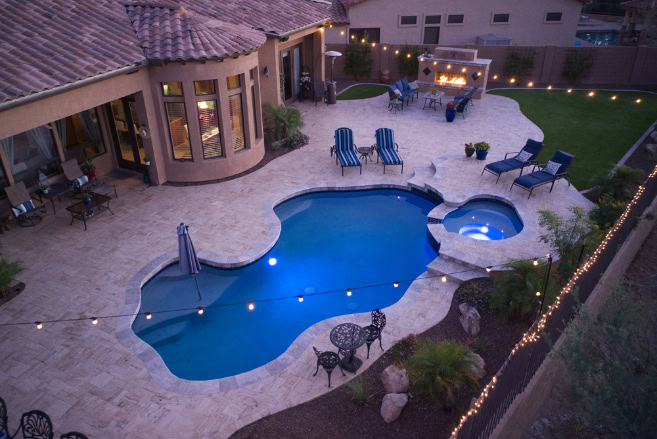
Most Thornbury homeowners aren’t short on space they’re short on a backyard that actually gets used. You’ve got the lot for it. What’s been missing is a kitchen built to match the property, handle the climate, and not fall apart after a few winters.
When temperatures swing from 15 degrees to 60 degrees in the same month which happens in Thornbury more often than people plan for the wrong materials crack, heave, and deteriorate fast. The right build uses frost-rated stone veneer, properly compacted bases that resist heave, and countertop surfaces that won’t absorb water and split by spring. That’s not a luxury upgrade. That’s just how outdoor kitchens need to be built in this part of Pennsylvania.
Beyond the weather, there’s the property itself. Thornbury’s housing stock is genuinely varied stone farmhouses, midcentury ranches, custom estates on wooded hillsides. A kitchen that looks right on one property can look completely out of place on another. The design process here starts with your home’s existing character, your lot’s conditions, and how you entertain not a catalog of prefab options.
We’re based in Aston and have been building hardscape and outdoor living projects across Delaware County for over 15 years. That includes Thornbury, Edgmont, Chester Heights, Concord, and Chadds Ford where the terrain, soil conditions, and older housing stock create a different set of challenges than you’d find closer to the city.
What makes the difference isn’t just experience it’s structure. One team handles your project from the initial consultation through the final walk-through. No subcontractors being handed off mid-job, no gaps in accountability, no chasing someone down when a question comes up three weeks in. The people who design it are the people who build it, and the people who build it are the ones who stand behind it.
If you’re in Thornbury Township and you’ve dealt with a contractor who went quiet after the check cleared, you already know why that structure matters.
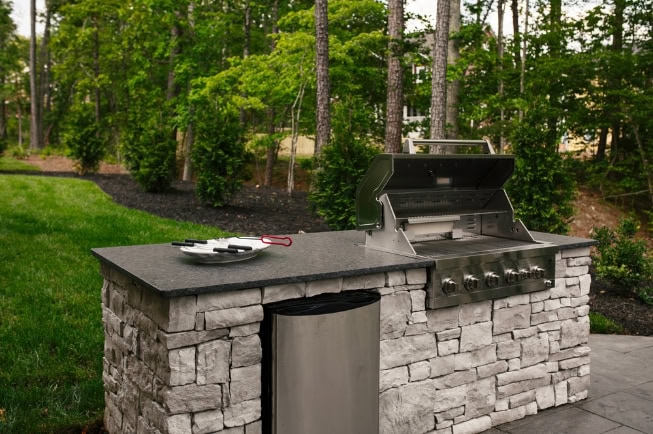
It starts with a consultation at your property. Not a phone estimate, not a ballpark number an actual walkthrough of your yard where the conversation covers sun exposure, drainage patterns, proximity to the house, how you use the space, and what you want out of it. For properties in Thornbury on sloped terrain or near water movement areas, that drainage conversation isn’t optional. It directly affects how the base is built and where the kitchen gets placed.
From there, you get a design and a detailed proposal materials, scope, timeline, and cost. Nothing vague. Once you’re ready to move forward, Thornbury Township requires building permits for outdoor structures involving gas, electrical, or plumbing connections, and each trade category has its own permit requirement under the township’s code. We handle the documentation, coordinate with the township’s Cloudpermit system, and manage the inspection process so you’re not navigating that on your own.
Construction follows once permits are in hand. The build window in this area runs roughly April through October masonry work below 40 degrees or in wet conditions isn’t safe or structurally sound, and anyone telling you otherwise is cutting corners. When the project wraps, you get a final walk-through of everything: appliances, connections, finishes, and maintenance guidance for winterizing before the first freeze hits.
Ready to get started?
Every outdoor kitchen we build in Thornbury starts with a site-specific design not a template. That means the layout, materials, and appliance selection are all chosen based on your actual property. A custom estate on a wooded lot has different needs than a midcentury ranch near Route 352. Both deserve a kitchen that fits.
On the materials side, everything we select for Thornbury projects is rated for Pennsylvania’s four-season climate. That means frost-proof stone veneer for the structure, sealed or engineered countertop surfaces that won’t absorb moisture and crack, stainless steel or marine-grade cabinetry that holds up through humidity and cold, and properly compacted base materials that resist frost heave season after season. Thornbury’s older housing stock a lot of it stone construction with mature landscaping also means root systems and existing hardscape get factored into the base preparation, not ignored.
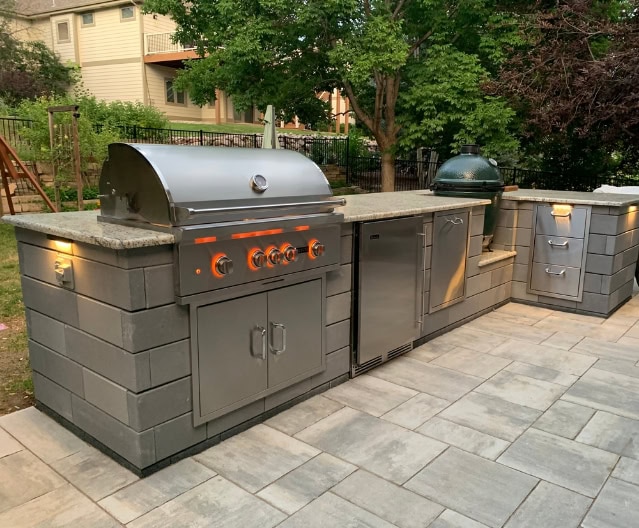
In terms of scope, outdoor kitchen projects here range from a built-in grill station with counter space and storage, up to full kitchens with a sink, outdoor refrigerator, pizza oven, bar seating, and integrated lighting. Gas line connections, electrical rough-in, and plumbing are all part of what we coordinate and because Thornbury Township requires separate permits for each trade, having one contractor manage all of it isn’t just convenient, it’s the only way the project runs cleanly.

Yes and depending on what’s included in your kitchen, you may need more than one. Thornbury Township requires building permits for any outdoor structure that involves structural changes, gas connections, electrical work, or plumbing. If your outdoor kitchen includes a gas grill, an outdoor refrigerator, a sink, and lighting which most full kitchens do each of those trade categories requires its own separate permit under the township’s code.
The township uses a cloud-based system called Cloudpermit for most applications, and submissions require two full sets of plans along with a signed contract between the contractor and homeowner. There’s also a Certificate of Use required before the space can be occupied meaning you can’t use the kitchen until it’s passed final inspection. It’s a thorough process, but it protects your investment and keeps the project above board for resale. We manage all of this documentation and coordinate directly with Thornbury Township so you’re not figuring it out yourself.
The freeze-thaw cycle in Delaware County is genuinely hard on outdoor structures. Temperatures in Thornbury can swing from the mid-teens to the low 60s multiple times in a single winter, and that repeated expansion and contraction is what destroys inferior materials. Masonry that isn’t rated for cold climates will crack. Countertop surfaces that absorb moisture certain natural stones, some tile options will split. Bases that weren’t compacted correctly will heave and shift after the first hard frost.
For Thornbury projects specifically, the material list that holds up long-term includes frost-rated stone veneer for the structure, sealed or engineered countertops like porcelain or treated granite, stainless steel or marine-grade cabinetry, and a properly compacted gravel base with adequate depth for this region’s frost line. A kitchen built with the right materials and the right base preparation should last 20 or more years with routine maintenance. One built with the wrong materials will start showing problems within five to seven years and those repairs aren’t cheap.
The range is wide, and it depends heavily on scope. A well-built mid-range outdoor kitchen built-in grill, counter space, storage, and basic utility connections typically runs in the $13,000 to $20,000 range. A full outdoor kitchen with a sink, refrigerator, pizza oven, bar seating, integrated lighting, and premium stone work can reach $40,000 to $80,000 or more, depending on materials and site conditions.
For Thornbury homeowners, where median home values run above $600,000, the investment is proportionate. Industry data from the National Association of Realtors cites roughly 100% ROI for outdoor kitchens at resale, and homes with outdoor kitchens in competitive suburban markets like Thornbury tend to move faster than comparable homes without them. The more relevant question isn’t just what it costs upfront it’s what a properly built kitchen returns over 15 to 20 years of use and what a cheaply built one costs you in repairs and replacement.
Most Thornbury properties are well-suited for outdoor kitchen installation the township’s low-density, large-lot character means most homes have the backyard space to support a real build, not just a small patio addition. That said, a few site-specific factors are worth evaluating before you commit to a design.
Drainage is the big one in this area. Properties in Thornbury on sloped terrain can have significant water movement during spring thaw and heavy rain. If that drainage isn’t accounted for in the site preparation, it will undermine the base and cause settling over time. Mature tree coverage is another factor Thornbury’s forested character means many lots have established root systems that affect where and how a base can be built. Sun exposure, prevailing winds, and proximity to the house all factor into placement as well. A proper site consultation walks through all of this before any design decisions are made, which is why that first step matters more than most people expect.
If you want the kitchen done before summer entertaining season, the planning process should start in January or February at the latest. That timeline accounts for the consultation, design, permitting through Thornbury Township, material lead times, and contractor scheduling all of which take longer than most homeowners anticipate when they first start looking.
The actual build window in this part of Pennsylvania runs from roughly April through October. Masonry and hardscape work can’t proceed safely below 40 degrees or in wet conditions, so the effective construction season is shorter than it looks on a calendar. Thornbury Township’s permitting process which involves multiple trade permits, two full sets of plans, and coordination with the township’s code department can add several weeks to the lead time on its own. Starting the conversation in winter doesn’t mean breaking ground in winter. It means your project is designed, permitted, and scheduled before the build season opens, so you’re not waiting until August to get started.
This is one of the most common concerns homeowners bring up and for good reason. A significant number of contractor complaints across Delaware County involve companies that are responsive during the sale and during the build, then become unreachable once the final payment clears. For a project like an outdoor kitchen, where the first real stress test comes with the first Pennsylvania winter, that disappearing act is a real problem.
Because we use one team for the entire project not a network of subcontractors the people who built your kitchen are the same people you contact if something needs attention afterward. There’s no “that’s not my department” and no tracking down a subcontractor who’s moved on. That continuity is especially relevant in Thornbury, where homeowners tend to stay in their properties for the long term and need a contractor relationship that lasts beyond the project close. A kitchen that gets built right and backed up properly is worth more than a cheaper build that leaves you on your own when winter shows you what it’s made of.
Useful Links