
Hear from Our Customers
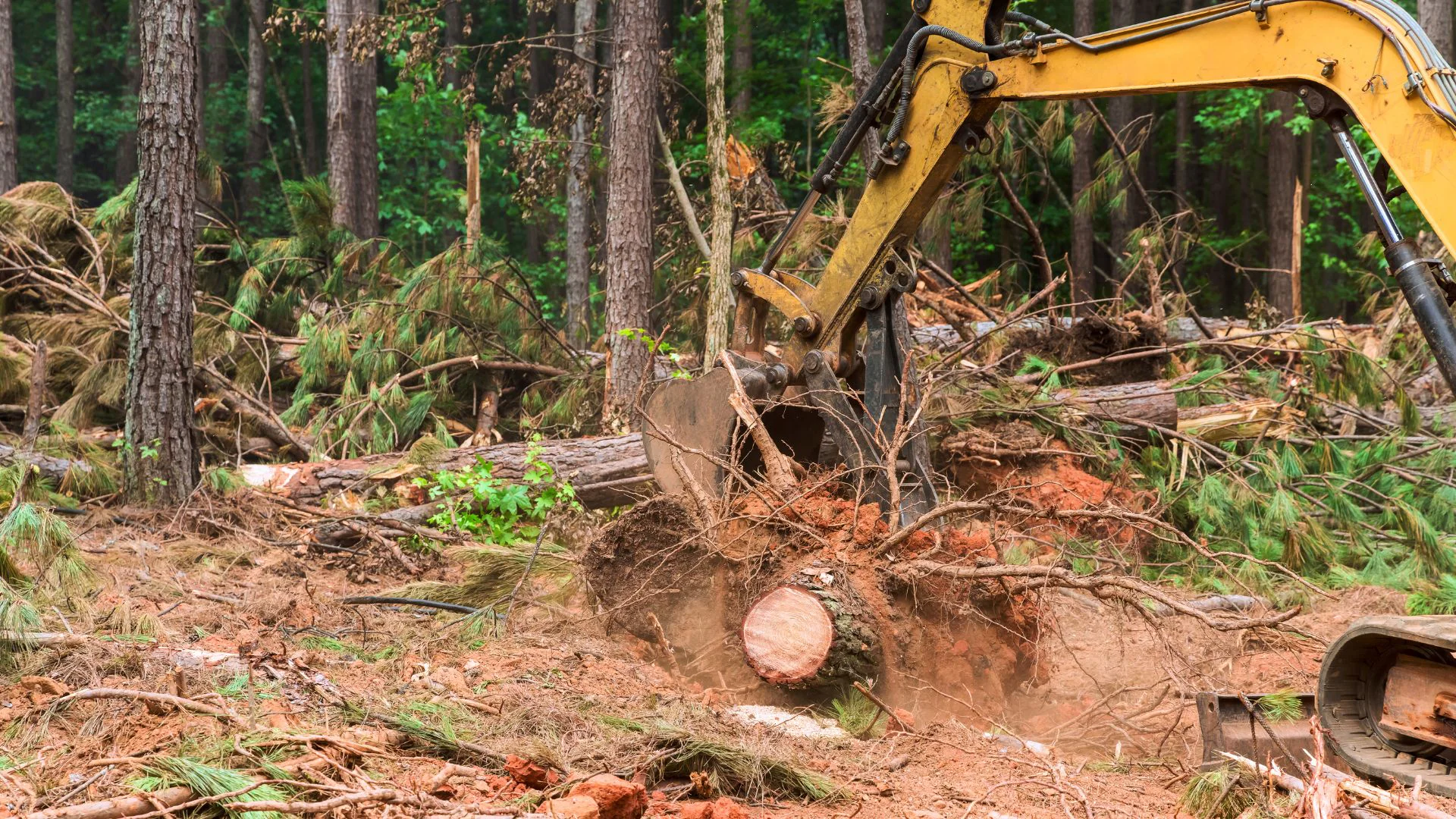
Most drainage and erosion problems on Thornbury properties don’t start with a storm they start with excavation or grading work that didn’t account for how this land actually behaves. The township’s rolling terrain, clay-dense soil, and proximity to Chester Creek create drainage patterns that are specific to this area. When those patterns are ignored during a dig or a grade, you end up with water pooling against your foundation, hillsides eroding after every heavy rain, and yards that stay wet long after the storm passes.
Clay soil expands when it’s saturated and contracts when it dries out. That cycle repeated every season causes real movement in any fill that wasn’t properly compacted. It’s why a grading job that looked fine in October can be visibly settling by April. Thornbury’s wet springs make this worse, and the township’s stormwater management requirements exist precisely because this is a known, documented issue in the area.
When site preparation is done correctly from the start right slope, right compaction, right drainage plan you get a yard that sheds water the way it’s supposed to, a retaining wall that holds through freeze-thaw cycles, and a finished outdoor space that doesn’t require remediation two years later. That’s the outcome that actually makes the investment worth it.
We’re based in Aston, PA about 10 miles from Glen Mills, the community most Thornbury Township residents call home. Renato Spennato has been working Delaware County properties for over 15 years, and his name is attached to every project we take on. That’s not a tagline it’s just how we run the business.
What separates us from most excavation contractors in the area is the scope. We handle the full sequence: site clearing, excavation, grading, retaining walls, and finished outdoor living spaces. One team carries the project from the first dig to the last paver. That matters on Thornbury’s larger, more complex lots, where a sloped backyard or a hillside drainage issue rarely has a one-trade solution.
BuildZoom independently ranks us in the top 11% of more than 125,000 licensed Pennsylvania contractors a score based on license verification, project history, and verified reviews. You can check it yourself before you ever make a call.
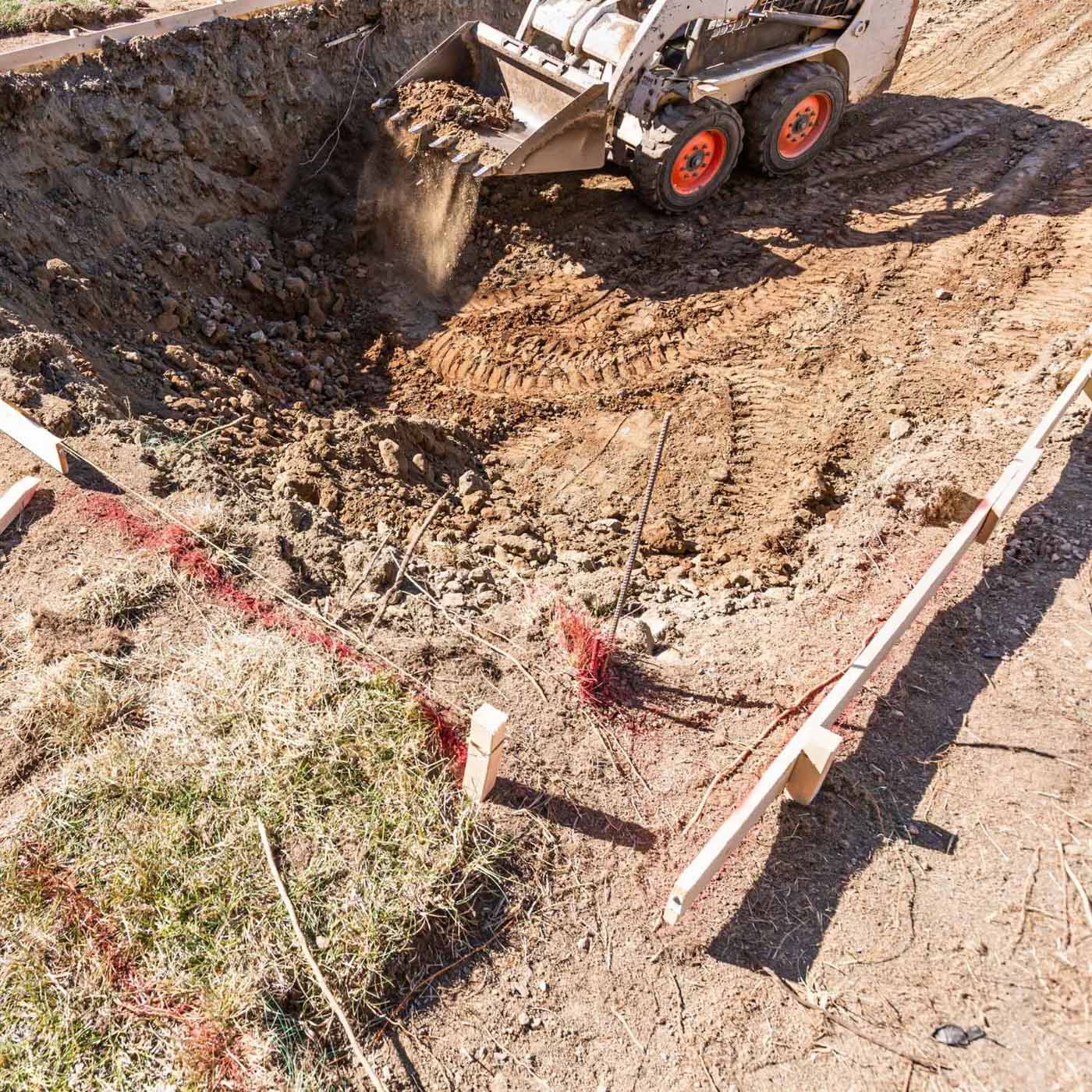
It starts with a site visit, not a phone estimate. Thornbury properties vary enough lot size, grade change, soil depth, proximity to Chester Creek’s drainage area that any contractor quoting without seeing the land is guessing. The visit lets our crew assess existing drainage patterns, identify where water is moving now, and plan the work around what the finished project actually needs to do.
From there, we handle the permit side. Thornbury Township requires grading and excavation permits under Chapter 9 of its municipal code, and any work that alters drainage patterns or disturbs soil is subject to township review. That process runs through the township’s Cloudpermit system, and it’s not complicated but it does need to be done before any equipment hits the ground. Skipping it creates real problems when you go to sell, and the township does enforce it.
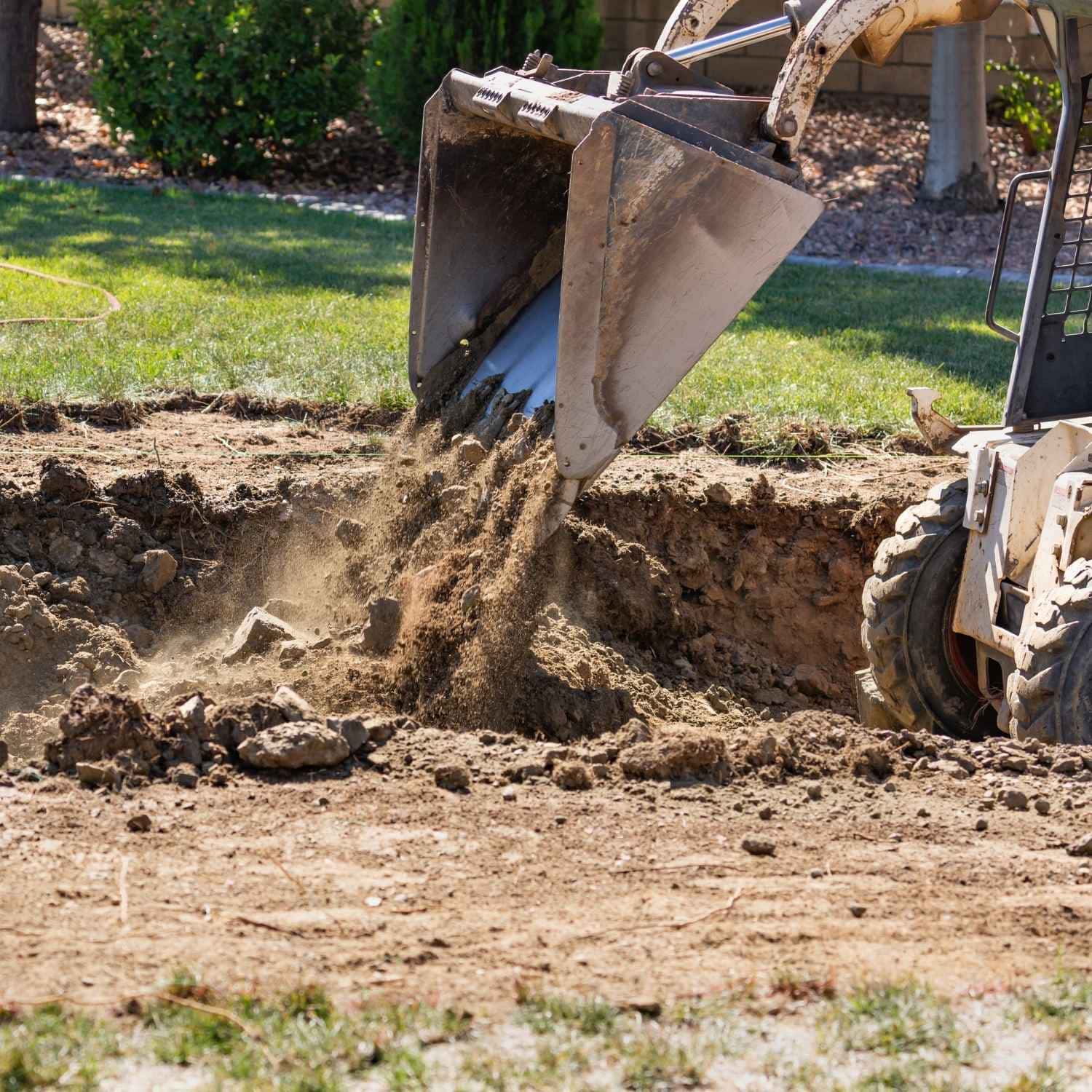
Once permits are in place, our crew moves in with the right equipment for the job excavators, bulldozers, and loaders sized for residential work, not commercial sites. The grade is cut to plan, drainage is built into the slope, and fill is compacted in lifts so it doesn’t settle unevenly over time. If the project continues into retaining walls, patios, or other outdoor work, the same crew carries it through no handoffs, no gaps, no version of “that’s not our part.”

Ready to get started?
Thornbury Township isn’t Collingdale or Darby. The lots are larger, the terrain is more varied, and the properties often carry decades of established drainage patterns from when this land was still farms and orchards. That context shapes how every excavation and grading project here gets planned and executed.
We offer excavation services in Thornbury, PA that include site clearing, land excavation, rough and finish grading, drainage planning, retaining wall excavation and backfill, and full site preparation for patios, pools, additions, and accessory structures. Every project is graded with stormwater flow in mind because Thornbury Township operates under a Pennsylvania DEP MS4 stormwater permit, and work that redirects runoff without a plan creates problems for you, your neighbors, and your standing with the township.
For properties in the Thornton and Glen Mills sections of the township where hillside grades and mature tree canopy are common our crew accounts for root systems, existing stone walls, and access constraints before any equipment is positioned. If your property is near a low-lying area or within the Chester Creek drainage corridor, drainage planning isn’t optional it’s the whole point. We build that into the scope from day one, not as an add-on after something goes wrong.

Yes Thornbury Township requires permits for grading, excavation, filling, and any land disturbance that could alter drainage patterns or increase soil erosion. This is covered under Chapter 9 of the township’s municipal code, and it applies to residential projects, not just commercial work. The township processes permits through a system called Cloudpermit, and the code department can be reached at 610-399-8383 if you have questions about a specific project.
The reason the township takes this seriously is straightforward: Thornbury’s rolling terrain and clay-heavy soils make it easy for disturbed land to redirect stormwater in ways that affect neighboring properties and the broader Chester Creek drainage area. Work done without a permit doesn’t just risk a fine it can create title complications when you sell, and the township does follow up on unpermitted grading. We handle permit acquisition as a standard part of every project in Thornbury, so you’re not navigating that process on your own.
For a standard residential excavation or grading project in Thornbury, you’re typically looking at somewhere between $4,500 and $7,500 depending on the scope, grade change, and what the site requires for drainage. The national average runs around $3,975, but Delaware County projects tend to run 15 to 25 percent higher due to labor costs and the complexity that comes with this area’s terrain and permit requirements.
What drives cost up on Thornbury properties specifically is usually one of a few things: significant grade change on a hillside lot, clay soil that requires more careful compaction and drainage planning, mature vegetation or root systems that complicate access, or a project that needs a retaining wall in addition to grading. The best way to get an accurate number is a site visit a phone estimate on a Thornbury lot is rarely reliable because the variables matter too much. We provide on-site assessments before any pricing is discussed.
Excavation is the process of removing soil, rock, or other material from a site digging out space for a foundation, a pool, a retaining wall footing, or a drainage system. Grading is about reshaping the existing land surface to achieve a specific slope or drainage pattern, usually after excavation is complete or as a standalone project to correct water flow issues.
On most Thornbury properties, you need both and the order matters. If you’re adding a patio to a sloped backyard, the site gets excavated to create a level working area, then graded to ensure water drains away from the structure. If you’re dealing with a wet yard or foundation water intrusion, the fix is usually a grading correction that redirects surface runoff before it reaches the house. Thornbury’s clay soil holds water rather than absorbing it, which means grading slope isn’t just cosmetic it’s functional. A contractor who treats grading as an afterthought to excavation will leave you with a finished surface that looks level but drains toward the wrong place.
Clay soil is dense, slow-draining, and highly reactive to moisture. When it’s wet, it expands. When it dries out, it contracts. That cycle which happens every season in Delaware County creates movement in any fill or graded area that wasn’t compacted correctly. On a Thornbury property, improperly compacted backfill behind a retaining wall or under a patio base will settle visibly within one or two winters, and the drainage problems that follow are expensive to fix after the fact.
The practical implication is that excavation and grading in Thornbury requires more deliberate compaction technique than you’d apply on sandy or loamy soil. Fill needs to be placed in layers called lifts and compacted between each one rather than dumped in all at once. Drainage also needs to be built into the grade from the start, because clay doesn’t give water anywhere to go on its own. A crew that has worked Delaware County soils for years understands this instinctively. One that hasn’t will figure it out on your property.
Late summer through early fall is generally the best window for excavation and grading work in Thornbury. The ground has had time to dry and firm up from spring saturation, clay soils are more workable, and you’re ahead of the freeze-thaw cycle that starts in November and makes compaction unreliable. Fall projects also give newly graded areas time to settle before winter, which means you’re not dealing with post-frost movement in the spring.
Spring is the highest-demand season homeowners who dealt with wet yards or foundation water over the winter want it fixed immediately, and that’s understandable. But Thornbury’s clay soils are often saturated through March and into April, which can complicate compaction and extend project timelines. If you have a spring project in mind, booking in the fall for a spring start date gets you better scheduling and sometimes better pricing. Winter excavation is possible in some situations, but frozen ground significantly increases cost and limits what can be done safely.
Yes and on a Thornbury property, having one contractor handle the full scope is genuinely worth looking for. The township’s larger lots and varied terrain mean most outdoor projects here involve multiple phases: excavation, grading, possibly a retaining wall, and then a finished surface like a patio or driveway. When those phases are split between separate contractors, you end up with coordination gaps one crew grades to a spec the next crew doesn’t account for, or the retaining wall footing doesn’t match the drainage plan the grading contractor set up.
We handle excavation, grading, retaining walls, and finished outdoor living spaces as a single-crew, single-scope operation. That means the person planning your drainage is the same person building your retaining wall and installing your patio. There’s no version of “that’s not our part” one team carries the project from the first dig to the finished surface. For Thornbury homeowners investing in a property worth protecting, that kind of continuity isn’t a luxury. It’s just how the work should be done.
Useful Links