
Hear from Our Customers
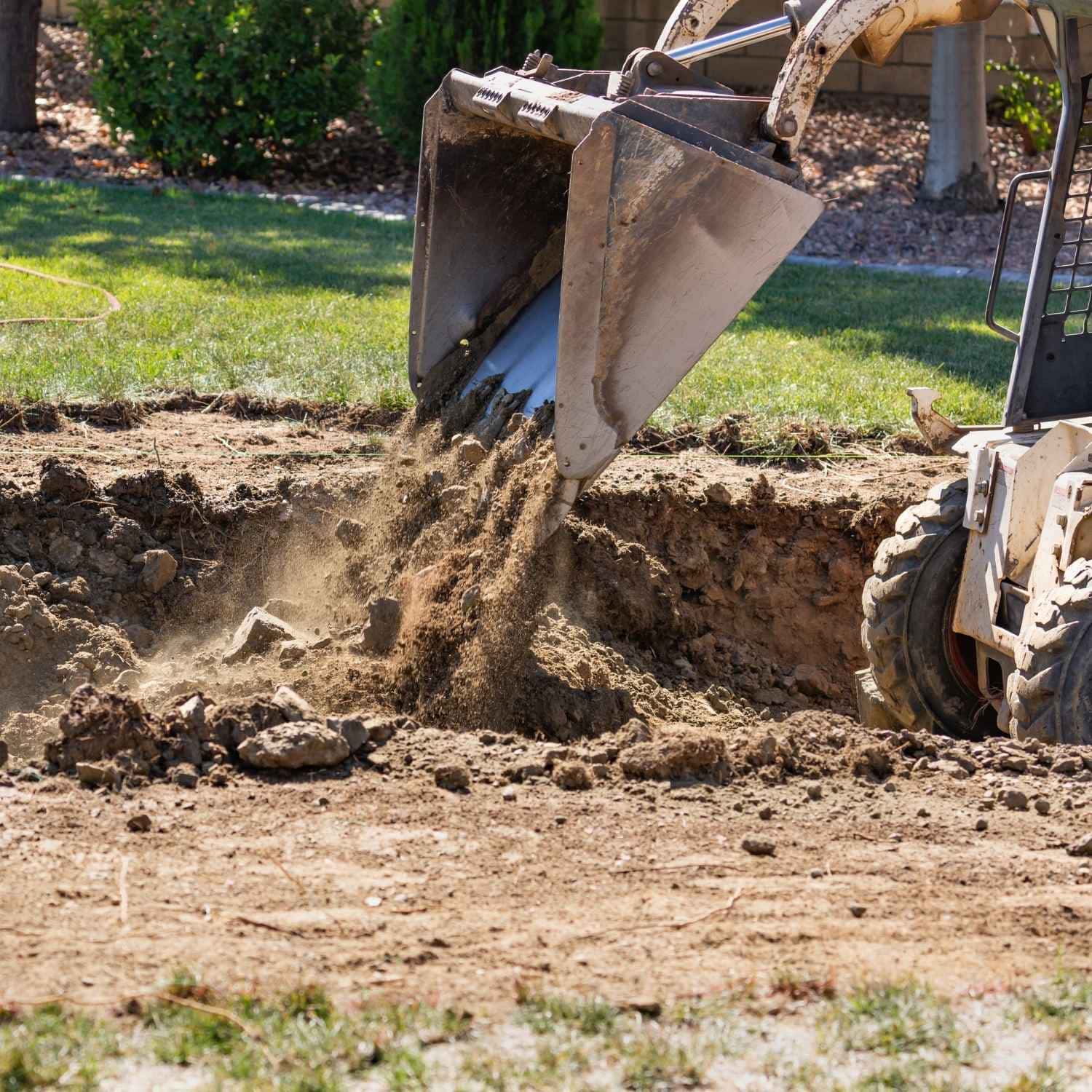
When excavation is done correctly, you stop managing the symptoms and start forgetting the problem existed. No more soggy corners in the backyard after a storm. No more water running toward the house every time it rains hard. Just a yard that works the way it was supposed to.
That matters a lot in Prospect Park specifically. The borough sits on clay-heavy Delaware County soil that holds water instead of shedding it. Add in homes where the original grading has shifted over 70-plus years, and you’ve got conditions that turn a minor drainage issue into a foundation problem if it’s left alone long enough. Getting the grade right with proper slope angles and compaction techniques that account for clay is the difference between a fix that lasts and one that looks fine until next spring.
The other thing worth mentioning is what comes after the excavation. If you’re preparing a site for a retaining wall, a patio, or a yard leveling project, you want one team handling the full scope. When the same crew that grades your yard also builds the wall and finishes the space, nothing gets lost in translation between contractors and you’re not left coordinating three separate schedules on a lot measured in feet, not acres.
We’re based in Aston, PA right down Route 420 from Prospect Park. That’s not just a geography note. It means our crew already knows what a pre-1950s lot in Prospect Park looks like before we pull into your driveway. We know the soil, the density, the permit requirements at the borough level, and the kind of drainage challenges that come with homes built in this era.
Renato Spennato has been doing this work in Delaware County for over a decade, and his BuildZoom score of 102 puts him in the top 11% of more than 125,000 licensed Pennsylvania contractors a ranking any homeowner can look up independently before making a call. Reviewers have noted he’s “always on time or early,” which, if you’ve hired contractors before, you know is rarer than it should be.
We hold an active PA contractor license, carry proper insurance, and handle permitting as part of the job. You don’t have to figure out what Prospect Park Borough requires for excavation work. That’s already handled.

It starts with a site visit. Before any equipment shows up, our crew walks your property to understand what’s actually going on where the water is moving, what the existing grade looks like, and what the project requires. On a dense residential lot in Prospect Park, that assessment matters. Tight access points, close property lines, and older infrastructure all factor into how the job gets planned and what equipment makes sense.
From there, we handle the permitting. Prospect Park Borough requires a building permit for any excavation or earth-moving activity that’s not optional, and skipping it creates problems at resale and can trigger fines. Pennsylvania also requires 811 utility marking before any digging begins. Both are taken care of before a single machine touches your yard.
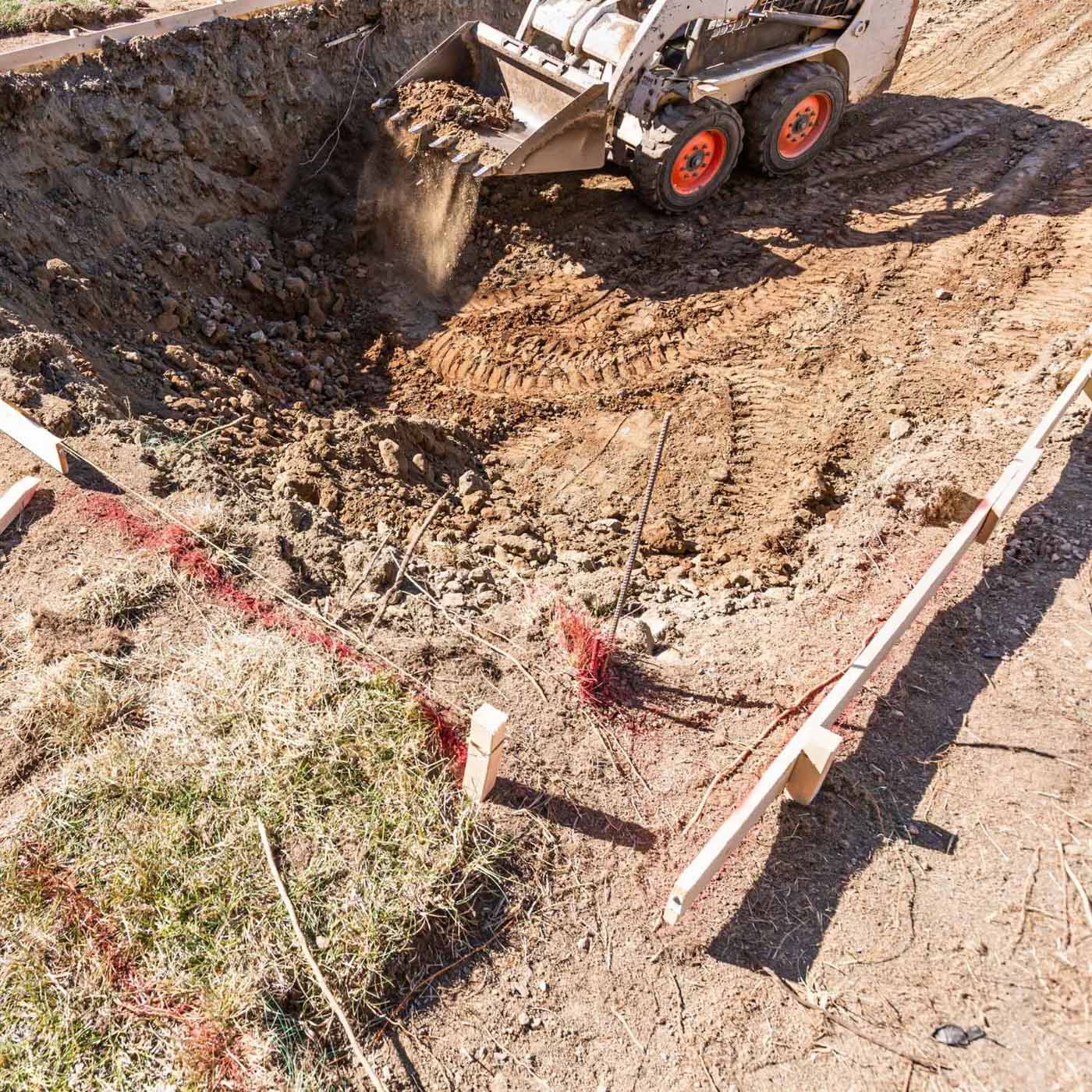
Once the work starts, the process is straightforward: excavation, grading to the correct slope for drainage, proper soil compaction to prevent future settling, and cleanup. If the project continues into a retaining wall, patio, or finished outdoor space, the same team carries it through. Spring is the busiest window for this work in Delaware County if you’re planning a project for warmer months, getting on the schedule early makes a real difference.

Ready to get started?
Our excavation work covers the full range of residential site needs yard grading and leveling, drainage correction, site preparation for retaining walls and patios, foundation excavation, and land clearing. For Prospect Park homeowners dealing with aging infrastructure, that often means addressing grading that hasn’t performed correctly in decades, or correcting drainage patterns that were never right to begin with.
The clay soils throughout this part of Delaware County require specific handling. Backfill compaction, slope angles, and drainage system design all have to account for how clay behaves it doesn’t shed water freely, and if the compaction isn’t done right after excavation, you’ll have settling issues within a season or two. That’s just what the soil here does, and it’s why local experience matters more than it might in other parts of the state.
What separates us from excavation-only contractors in this market is what happens after the dig. If your project calls for a retaining wall, a patio, an outdoor kitchen, or finished landscaping, that work is handled in-house by the same team. You’re not managing handoffs between separate contractors on a tight Prospect Park lot. One crew, one timeline, one point of contact from the first machine in to the last stone set.
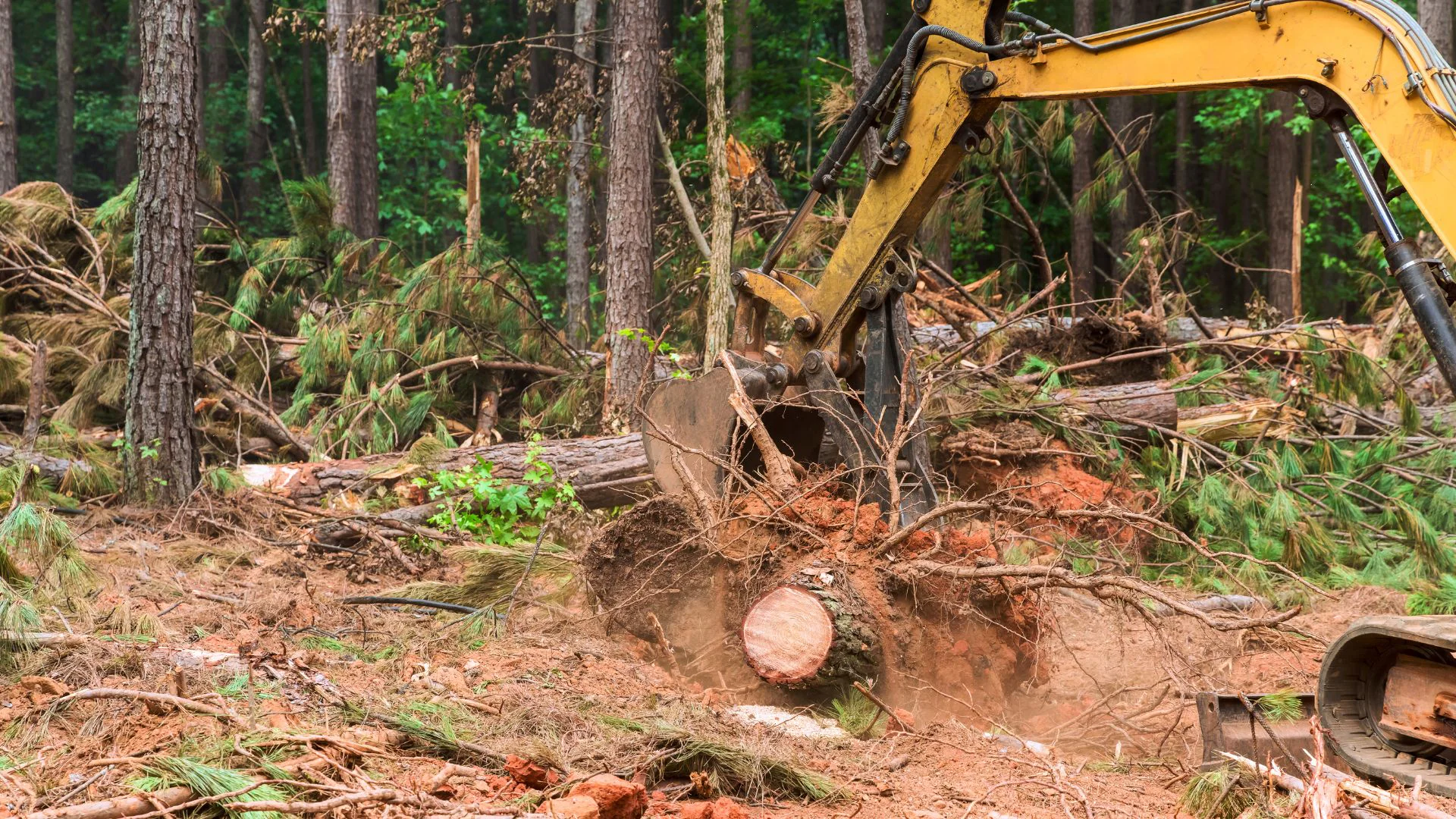
Yes Prospect Park Borough requires a building permit for any activity that involves moving earth, filling, or excavating. The only exception is minor finish grading, like smoothing out a small area for landscaping. Anything beyond that requires a permit from the Borough’s Building Inspector before work begins.
This is worth taking seriously. Unpermitted excavation work can create complications when you sell the property, and it can expose you to fines if the work is discovered. Pennsylvania also requires 811 utility notification a call to have underground lines marked before any digging starts, regardless of project size. When you work with us, both the borough permit and the utility marking are handled as part of the project. You don’t have to track down the right form or figure out which borough office to contact. It’s built into the process.
Nationally, residential excavation runs between $1,658 and $6,709, with an average around $3,975. In the Philadelphia suburban corridor which includes Delaware County and Prospect Park labor rates run roughly 15 to 25 percent higher than rural Pennsylvania, so budgeting toward the middle or upper end of that range is realistic for most projects here.
What actually drives the cost on your specific project comes down to a few things: the scope of work, how much material needs to be moved, site accessibility, soil conditions, and whether permits are required. In Prospect Park, the clay-heavy soil and tight residential lots can affect both the equipment needed and the time involved. A project that looks simple on paper can get more complex once you factor in proper compaction, drainage slope requirements, and working within a few feet of a neighboring property. The best way to get a real number is a site visit that’s the only way to give you an estimate that actually reflects your property.
Usually both, and in Prospect Park’s older housing stock, they’re almost always connected. Homes built in the 1940s and 1950s which make up the majority of the borough were graded to standards that have long since shifted. Decades of soil settlement, root systems, and landscape changes alter how water moves across a property. What used to drain away from the house may now drain toward it.
Clay soil makes this worse. Delaware County’s clay-heavy ground doesn’t absorb water quickly, so when it rains hard, water sits on the surface until it finds somewhere to go and if the grade is off, that somewhere is often your foundation or basement. The fix usually involves regrading the yard to restore proper slope away from the structure, sometimes combined with a French drain or other drainage system to move water off the property entirely. A site visit is the right starting point it’s the only way to know whether you need regrading, a drainage system, or both.
Almost every retaining wall project does. A retaining wall is only as good as what it’s built on, and that means the base needs to be properly excavated and compacted before the first block or stone goes in. Skipping that step or doing it poorly is the most common reason retaining walls fail within a few years.
In Prospect Park’s clay soil environment, this is especially important. Clay expands when it gets wet and contracts when it dries out. That movement puts constant pressure on a retaining wall, and if the foundation wasn’t excavated to the right depth and compacted correctly, that pressure eventually wins. The excavation phase also determines drainage behind the wall without proper backfill and drainage material, water builds up behind the wall and accelerates failure. If you’re planning a retaining wall, the excavation isn’t a separate step you can cut corners on. It’s the foundation the whole project depends on.
Spring is the peak window typically March through June and it fills up fast. That’s when most Delaware County homeowners are assessing winter damage, planning warm-weather projects, and calling contractors. If you’re thinking about a grading correction, a retaining wall foundation, or site prep for a patio or outdoor space, getting on the schedule before the spring rush is worth doing.
Fall is a solid secondary window, roughly September through November. It’s a good time to address drainage corrections before the ground freezes, and site prep done in fall leaves the project ready to move forward quickly come spring. Winter work is possible in some cases, but frozen ground increases complexity and cost, and there are limits to what can be done safely. The honest answer is: if you know you have a project coming, don’t wait until you’re ready to start. Call when you’re still planning that’s how you get the timing you actually want.
We handle the full scope from the initial excavation through the finished outdoor space. That includes grading, retaining walls, patios, outdoor kitchens, walkways, and landscaping, all done in-house by the same team.
For Prospect Park homeowners, this matters more than it might sound. On a tight residential lot where one crew’s work directly affects the next phase, having a single team manage the whole project eliminates the coordination gaps that cause problems. When the excavation crew and the masonry crew are the same people, the grade is set correctly for what’s being built on top of it. There’s no finger-pointing between trades if something doesn’t line up. Most excavation-only contractors in this market including several that serve Delaware County stop at the dig. They hand you off, and you’re left managing the rest. We don’t work that way. If you want the full project done under one roof, that’s exactly what’s available here.
Useful Links