

Hear from Our Customers
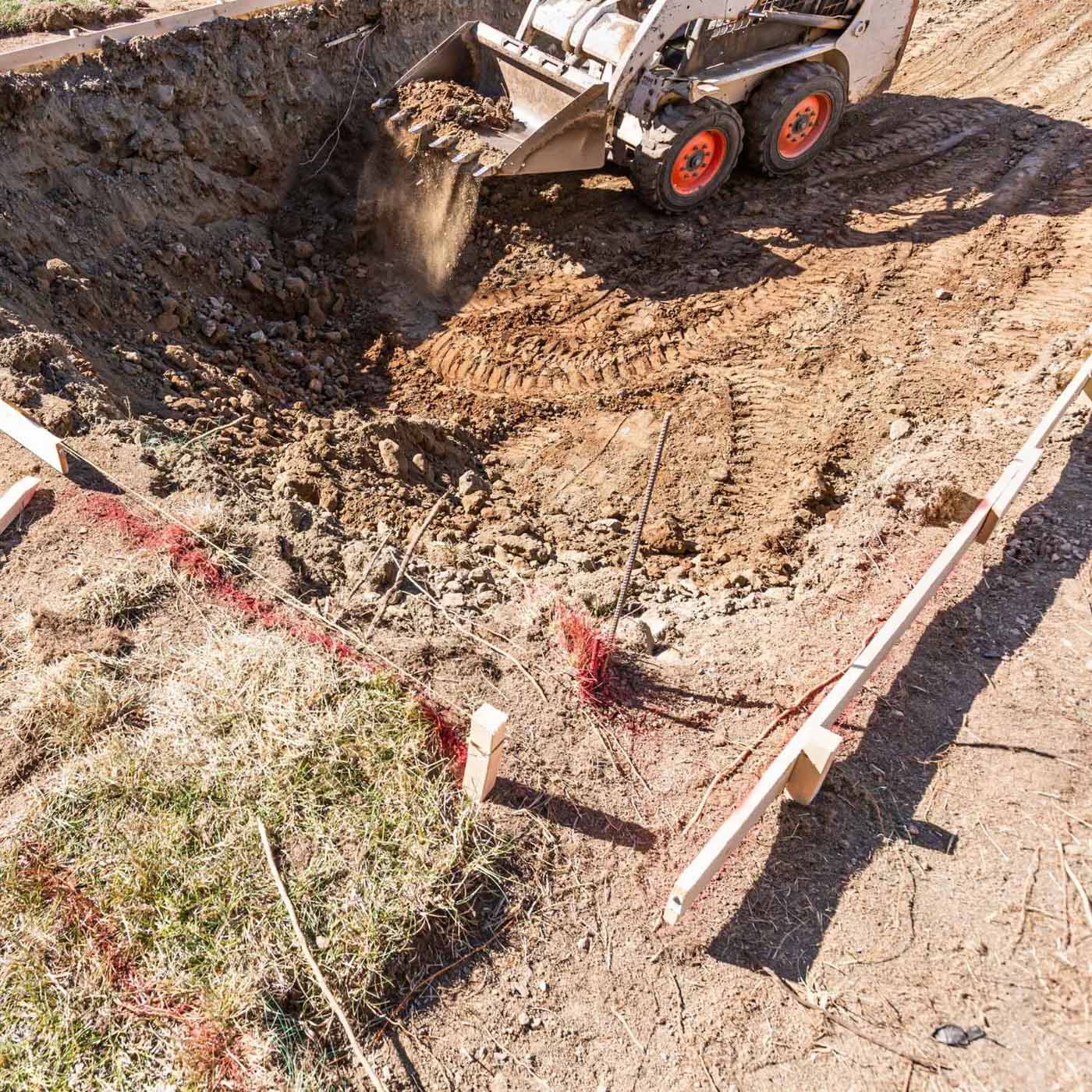
Swarthmore’s housing stock is old most of it built between the 1890s and the 1920s. That means drainage systems that have shifted over decades, grading patterns that no longer move water the way they should, and foundations that weren’t designed with modern stormwater standards in mind. When water starts pooling against your house or showing up in your basement after a heavy rain, the problem is almost never the rain it’s the grade.
Proper excavation and re-grading changes that. Water moves away from your foundation the way it should. Your yard stops being a problem you manage every spring and starts being something you can actually use. For a home that’s been standing for a century on a lot bordered by Crum Creek’s watershed, getting the drainage right isn’t a luxury it’s what protects everything else.
And because Swarthmore lots are dense, mature, and tree-lined, this work has to be done carefully. Root zones matter. Existing landscaping matters. The finished result should look like the project was planned for your specific property not like a crew came through and figured it out as they went.
We’re based in Aston, PA right here in Delaware County, a few miles from Swarthmore via Route 320. This isn’t a regional company routing calls through a dispatch center. Renato Spennato runs the operation directly, and his name shows up in reviews because he’s actually involved in the work not just the estimate.
What separates us from the excavation-only companies serving Swarthmore is the full-service model. Most contractors who dig in Swarthmore stop there. Our crew can take a project from raw earth to a finished patio, retaining wall, or outdoor living space without handing off to anyone else. That matters when you’re dealing with an older property near the Crum Creek corridor and you want one team accountable for the whole outcome.
BuildZoom ranks us in the top 11% of more than 125,000 licensed Pennsylvania contractors a score you can look up yourself.
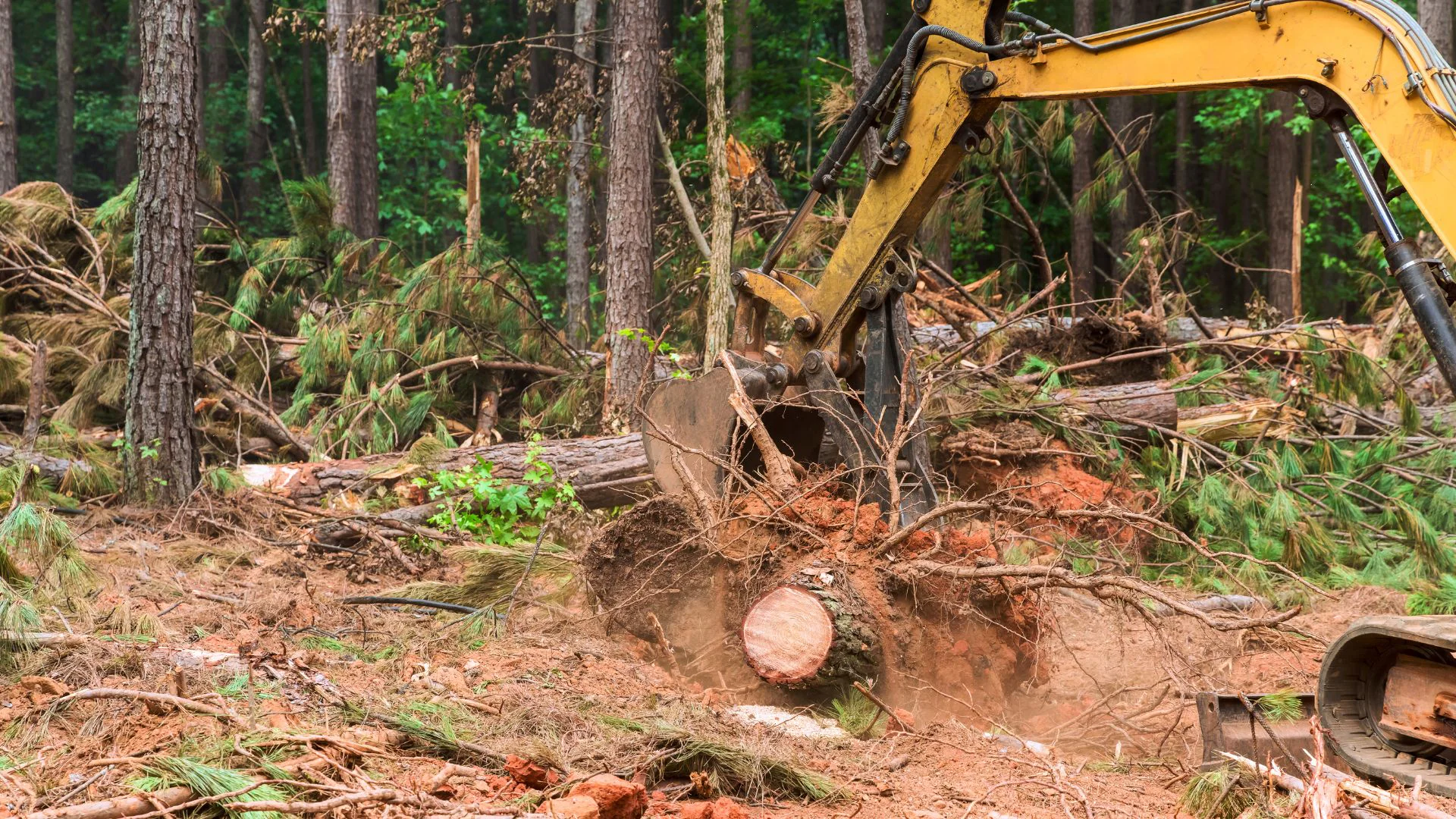
It starts with a site assessment not a sales pitch. Before any equipment moves, we evaluate the existing grade, drainage patterns, and intended use of the space together. In Swarthmore, that means accounting for mature tree root zones, tight lot access, and how water currently moves across your property toward Crum Creek’s watershed. Skipping this step is how projects go sideways on older lots.
From there, the scope gets defined clearly: what’s being excavated, where material goes, how the finished grade will drain, and what permits are needed. If your project involves more than 499 square feet of new or replacement impervious coverage a patio, a driveway, a major grading change Swarthmore Borough requires a Stormwater Management Plan. That’s not something you should have to figure out on your own, and we handle it as part of what gets done before work begins.
Once the site is prepped and graded, the project continues whether that means a retaining wall, a paver patio, or a finished outdoor space. You’re not left with a leveled yard and a handshake. The crew that started the job finishes it, and the result is a site that works the way it’s supposed to for the long run.

Ready to get started?
Residential excavation in Swarthmore covers more ground than most homeowners expect when they first call. Site grading and drainage correction are the most common starting points especially on the older Victorian and 1920s-era properties throughout the borough, where original grading has settled and water no longer moves the way it should. But excavation also shows up as the foundation for retaining walls, patio installations, driveway replacements, and site prep for home additions.
Every project in Swarthmore involves navigating the borough’s specific regulatory environment. That includes PA One Call (811) utility marking before any digging, compliance with Swarthmore Borough’s building permit requirements, and stormwater management plan submission for projects that add impervious coverage above the borough’s 499-square-foot threshold. These aren’t optional steps they’re requirements, and handling them correctly from the start keeps your project on schedule.
We handle the full picture. Excavation, grading, drainage planning, and the finished outdoor space all handled by our crew that knows Delaware County’s soil conditions, understands how older Swarthmore borough lots behave, and doesn’t leave a half-finished site behind. If you’re in Milmont Park, near the college neighborhood, or anywhere in the 19081 zip code, the process is the same: thorough, local, and done right.
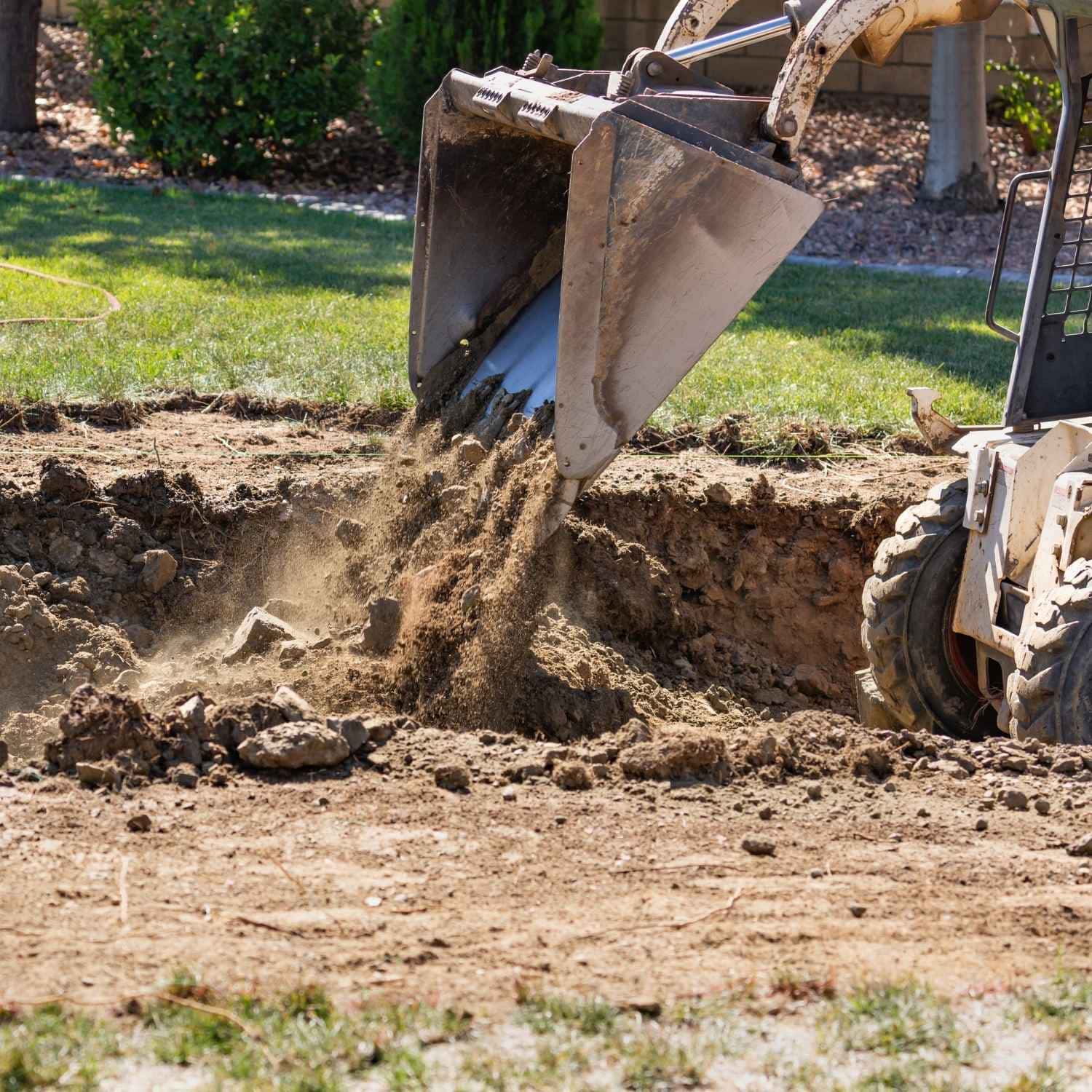
It depends on the scope of the work. Swarthmore Borough operates under the Pennsylvania Uniform Construction Code, which requires building permits for construction, alterations, demolition, and certain site work. For most excavation and grading projects, the more relevant requirement is the borough’s Stormwater Management Ordinance which requires homeowners to submit a formal Stormwater Management Plan for any new or replacement impervious coverage greater than 499 square feet. That threshold gets crossed faster than most people expect. A standard patio installation or driveway replacement can easily hit that mark.
Beyond the stormwater plan, Pennsylvania law requires calling 811 before any digging no exceptions. Swarthmore’s dense residential environment has utility lines, drainage easements, and aging infrastructure running throughout the borough, so utility marking isn’t just a legal requirement here, it’s a real safety necessity. A contractor who knows these requirements going in and handles the permit process as part of the project saves you from delays, stop-work orders, and surprises mid-job.
Residential excavation in the Delaware County area generally runs between $1,600 and $6,700 for most projects, with a national average around $3,975. Hourly equipment rates typically fall between $100 and $300 depending on the machinery involved. Grading and leveling a backyard usually lands between $1,000 and $5,000 depending on the size of the area and how much correction is needed.
In Swarthmore specifically, a few factors tend to push costs toward the higher end of those ranges. Labor rates in Delaware County run 15–25% above rural Pennsylvania, and older lots with compacted soils, mature root systems, and legacy drainage patterns require more careful, methodical work than a clean suburban site. The good news is that getting excavation and grading done correctly the first time is almost always cheaper than fixing foundation drainage damage or flooded basements later. On a property worth $400,000 or more, the cost of doing it right is a straightforward investment.
Excavation is the process of removing earth digging out material to a specific depth or shape to prepare a site for what’s going in next. Grading is the process of leveling, sloping, or reshaping the surface of the land so water drains the way it should. Most residential projects in Swarthmore involve both, because you rarely need to move earth without also addressing how the finished surface will drain.
On a typical Swarthmore project whether it’s a patio installation, a retaining wall, or a drainage correction excavation clears the way and grading makes the result function properly. Homes in the borough’s older neighborhoods, particularly those built in the early 1900s along the college-adjacent streets, frequently need grading corrections because the original ground slope has shifted over decades of settling, landscaping changes, and root growth. If water is moving toward your foundation instead of away from it, that’s a grading problem and fixing it starts with excavation.
The most common signs are water pooling in the yard after rain, moisture or water intrusion in the basement or crawl space, soil erosion along the foundation, and visible low spots that stay wet long after a storm. In Swarthmore, these issues are especially common on properties built before World War II, where the original grading has had decades to shift and where the soil has been compacted by construction activity, root systems, and foot traffic over time.
The Crum Creek watershed context matters here too. The entire borough sits within the Crum Creek drainage area, which means stormwater management is a real municipal concern not just a homeowner inconvenience. If your yard is draining poorly, it’s not just affecting your property. A professional site assessment will identify whether the issue is a grading problem, a drainage system failure, or both and what excavation work is needed to correct it. Most drainage problems in older Swarthmore homes are fixable, but they don’t resolve themselves.
Spring and fall are generally the strongest windows for excavation and grading work in Swarthmore. Spring roughly March through May is peak demand season. Homeowners are coming off winter and want to address drainage problems that showed up during freeze-thaw cycles, or they’re ready to start outdoor living projects before summer. The ground is workable, but it’s also wet, which means drainage planning during the excavation phase matters even more.
Fall is arguably the best conditions window. Soil is drier, compaction is better, and completing drainage corrections before the ground freezes is a practical reason many Swarthmore homeowners schedule grading work in September and October. Delaware County’s winter freeze-thaw pattern is particularly hard on properties with poor drainage water gets into cracks, freezes, expands, and accelerates foundation damage over time. Addressing the grading issue in fall protects your home through the winter. Summer is steady for outdoor living project installations, but booking windows fill quickly especially for a full-service contractor who handles excavation through finished patio work.
Yes and in Swarthmore, that’s actually the smarter way to approach most projects. When excavation, grading, and the finished hardscape work are handled by the same crew, the drainage planning and the finished surface design are coordinated from the start. There’s no miscommunication between a separate excavator and a separate mason about how the grade needs to sit under a patio or retaining wall. The whole project is built around the same outcome.
Most excavation companies serving the Swarthmore area stop at the dig. They grade the site, haul the material, and hand the project back to you leaving you to coordinate a separate contractor for the patio, wall, or outdoor space that was the whole reason for the excavation in the first place. We handle both sides. The same team that grades your Swarthmore property builds the retaining wall, lays the pavers, and finishes the outdoor space. For homeowners in a borough where projects need to be done carefully around mature trees, tight lot lines, and historic homes, having one accountable crew from start to finish isn’t just convenient it’s how the project actually gets done right.
Useful Links