
Hear from Our Customers
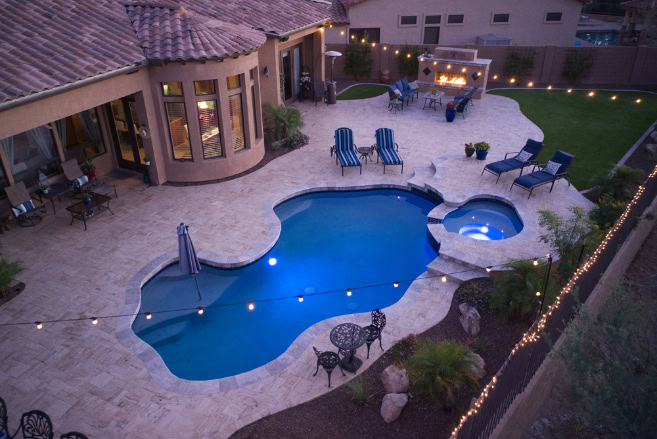
Most of the homes in Linwood were built between the early 1900s and 1930s. That means smaller yards, older drainage, and soil conditions that have never seen a professional grade. When you add an outdoor kitchen to a property like that without accounting for what’s underneath, you’re setting yourself up for cracking, settling, and expensive reconstruction within five to seven years. The right build starts with the ground not the countertop.
Southern Delaware County’s position along the Delaware River corridor adds a layer of moisture exposure that inland communities don’t deal with the same way. The humidity compounds the freeze-thaw cycle that hits every winter, and that cycle is what destroys inferior materials. Sealed surfaces, frost-resistant stone, and properly prepared bases aren’t upsells here they’re the difference between a kitchen that looks great in year ten and one that needs $4,000 in repairs by year six.
Beyond durability, this is about what your backyard becomes. Linwood sits within the Marcus Hook industrial corridor. The surrounding landscape is what it is. But your backyard doesn’t have to reflect that. A well-designed outdoor kitchen turns that space into a genuine destination somewhere your family actually wants to spend time, and somewhere that adds real, documented value when it comes time to sell. Homes with outdoor kitchens sell roughly 23% faster, and the return on investment ranges from 55% to over 100% at resale.
We’re based out of Aston a few miles up I-95 from Linwood. This isn’t a regional company dispatching crews from across the state. We’re a local team that works in Lower Chichester Township and Linwood regularly, pulls permits from the same township offices your neighbors deal with, and understands what the clay soils and river humidity in this corridor actually do to outdoor masonry over time.
What makes the difference here is our single-team model. The same experienced crew that walks your yard on day one designs your kitchen, builds it, and is accountable for it afterward. No subcontractors cycling through. No miscommunication between trades. No contractor who becomes unreachable after the final invoice. That last part matters more than most people realize the number one complaint filed against contractors with the BBB is unresponsiveness after project completion. The way we’re structured makes that problem structurally impossible.
With over 15 years serving Delaware County and Linwood specifically, we’ve seen what works in these conditions and what doesn’t. That experience shows in the details.
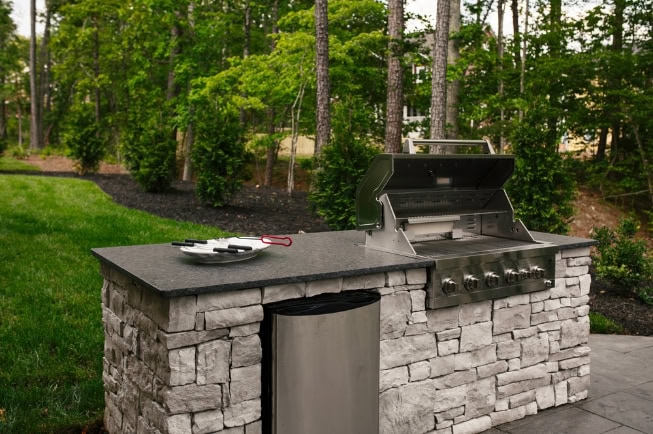
It starts with a consultation. Before any design work happens, we walk your property and assess what you’re actually working with yard dimensions, drainage conditions, existing grades, utility access. For a lot of Linwood homes, this step surfaces issues that would become expensive problems later if they weren’t caught upfront. Older lots in this area frequently have drainage that needs correction before any masonry base goes in. That’s not a complication it’s just what responsible site prep looks like here.
From there, you move into design and material selection. The layout gets built around how you actually use your yard: how many people typically gather, where the sun hits in the evening, how the traffic flows from your back door. Material choices are made with Pennsylvania winters in mind specifically the freeze-thaw exposure that southern Delaware County properties face every year. Nothing gets specified that won’t hold up to that.
Construction follows a clear timeline, and that timeline is taken seriously. Homeowners who want their kitchen ready before summer need to start the planning process by late winter Lower Chichester Township’s permit approval process adds lead time that catches people off guard if they wait too long. Once the build is complete, you get a full walk-through. The project isn’t considered done until you’ve seen everything and agreed it meets what was promised.
Ready to get started?
Outdoor kitchen installations in Linwood aren’t one-size-fits-all, and our design process reflects that. Lots in this area typically run between 6,000 and 8,000 square feet compact by suburban standards. That means efficient layouts matter. A design that works beautifully on a half-acre lot in Chadds Ford doesn’t automatically translate to a row home backyard off Chichester Avenue. The goal is maximizing function and flow within the space you actually have.
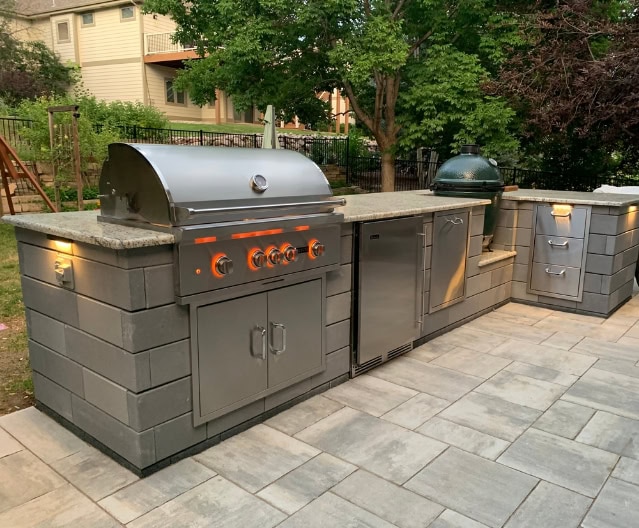
On the build side, every outdoor kitchen we install includes proper base preparation suited to Lower Chichester Township’s soil conditions, frost-resistant materials rated for Pennsylvania’s temperature swings, and sealed countertop surfaces that handle the moisture exposure this corridor sees year-round. Gas line connections, electrical work, and any plumbing are handled by licensed tradespeople which is a legal requirement under Lower Chichester Township’s building code, not an optional add-on. We pull all permits through the township before work begins, so there are no compliance surprises at resale.
From a simple built-in grill station to a full outdoor kitchen with sink, refrigeration, and bar seating, the scope is built around your goals and your budget. The mid-range installations most Linwood homeowners invest in typically fall between $13,000 and $25,000 a meaningful number that gets treated as the serious financial decision it is, with transparent pricing from the initial proposal to the final invoice.

Yes and it’s not optional. Outdoor kitchen structures in Lower Chichester Township require building permits, particularly when the build involves structural masonry, gas line connections, electrical work, or any plumbing. The township enforces its own building code through a Building Inspector, and licensed tradespeople are legally required for gas, electrical, and plumbing work. This isn’t just a formality.
Unpermitted structures create real problems down the road. They can void your homeowner’s insurance coverage for damage related to the structure, and they frequently surface during home sale inspections sometimes requiring mandatory removal before a sale can close. In a housing market as competitive as the 19061 ZIP code where Linwood sits, where homes are going pending in around 25 days, the last thing you want is a permit issue slowing down or killing a sale. We handle the entire permit process through the township so you don’t have to navigate it yourself.
Most mid-range outdoor kitchen installations in Linwood fall between $13,000 and $25,000, depending on the size of the build, the appliances included, and the site conditions on your specific property. Simpler builds a quality built-in grill station with a countertop and some storage can come in closer to the lower end of that range. Full kitchens with a sink, refrigeration, bar seating, and a covered structure move toward the higher end or beyond.
One thing that affects cost in Linwood specifically is site preparation. The older housing stock in this area most of it built between the early 1900s and 1930s frequently comes with drainage issues, uneven grades, and clay-heavy soil that needs proper base work before any masonry goes in. A contractor who doesn’t assess those conditions upfront will either skip the prep work (and you’ll pay for it later in cracking and settling) or surprise you with change orders mid-project. Transparent pricing from the start means the number you agree to at the beginning reflects what you actually pay at the end.
The freeze-thaw cycle is the main thing to plan around. Temperatures in the Linwood area swing repeatedly through the 32°F threshold throughout winter, and every freeze-thaw cycle puts stress on outdoor masonry. Materials that aren’t rated for that exposure will crack, spall, and deteriorate usually within five to seven years. Reconstructing failed sections runs $3,000 to $8,000 or more, which makes the upfront material investment look very different in hindsight.
For countertops, porcelain and granite are the most reliable choices for this climate both handle freeze-thaw well when properly sealed. For structural elements, frost-resistant concrete block or natural stone veneer outperforms cheaper alternatives significantly. Stainless steel appliances are the standard for outdoor use because they resist rust and handle temperature extremes without warping or degrading. Linwood’s location along the Delaware River corridor also means higher ambient humidity than inland Delaware County communities, which makes sealed surfaces and moisture-resistant cabinetry frames especially important here not just during winter, but year-round.
The actual construction phase for most outdoor kitchens runs two to four weeks depending on the scope of the project and site conditions. But the full timeline from first consultation to finished kitchen is longer than most people expect and that gap is almost always the permit process. Lower Chichester Township’s building department operates on its own schedule, and permit approval adds lead time that can catch homeowners off guard if they wait until spring to start.
If you want your outdoor kitchen ready before your summer entertaining season, the planning process should start no later than February or March. That window gives enough time for the consultation, design finalization, permit submission and approval, material ordering, and construction without rushing any of it. The outdoor masonry construction window in this region is roughly April through October. Work can’t be done safely below 40°F, so there’s a hard seasonal deadline on the back end as well. Starting early is the single most effective thing you can do to make sure the project gets done on your timeline.
The data supports it. The National Association of Realtors cites roughly 100% return on investment for outdoor kitchens at resale, and broader industry estimates range from 55% to over 200% depending on the quality of the build and the local market. Homes with outdoor kitchens also sell approximately 23% faster than comparable homes without them a meaningful advantage in any market.
In Linwood specifically, the housing market in the 19061 ZIP code is described as very competitive, with homes going pending in around 25 days and a near-zero vacancy rate. That tight supply means buyers are competing for limited inventory, and a well-built outdoor kitchen is a genuine differentiator. Beyond resale, there’s the day-to-day value of a backyard that’s actually usable a space that extends your living area, reduces the impulse to spend money eating out, and gives your family somewhere to gather that you built specifically for them. For homeowners who’ve been in their Linwood home for a decade or more and plan to stay, that ongoing value is often the more compelling argument.
Choosing based on the lowest quote without understanding what’s actually included or excluded in that number. A low quote that skips proper site preparation, uses materials that won’t survive a Pennsylvania winter, or relies on subcontractors who aren’t accountable to anyone will cost more in the long run than a realistic quote that covers the full scope of work correctly from the start.
The other common mistake is not vetting whether the contractor is genuinely local or just claiming to be. When you search for hardscaping or outdoor kitchen contractors in Linwood, some of the results that come up are mass-produced SEO pages from companies with no real presence in the area templated content with placeholder reviews and no actual knowledge of Lower Chichester Township’s permit requirements, local soil conditions, or the specific challenges that come with the older housing stock in this part of Delaware County. A contractor who actually works in this corridor regularly knows what the ground looks like under a 1920s-era Linwood lot, knows the township’s building department process, and knows what materials are going to hold up against the river humidity and freeze-thaw cycles here. That local knowledge isn’t a marketing line it shows up in how the project is designed, built, and backed.
Useful Links