

Hear from Our Customers
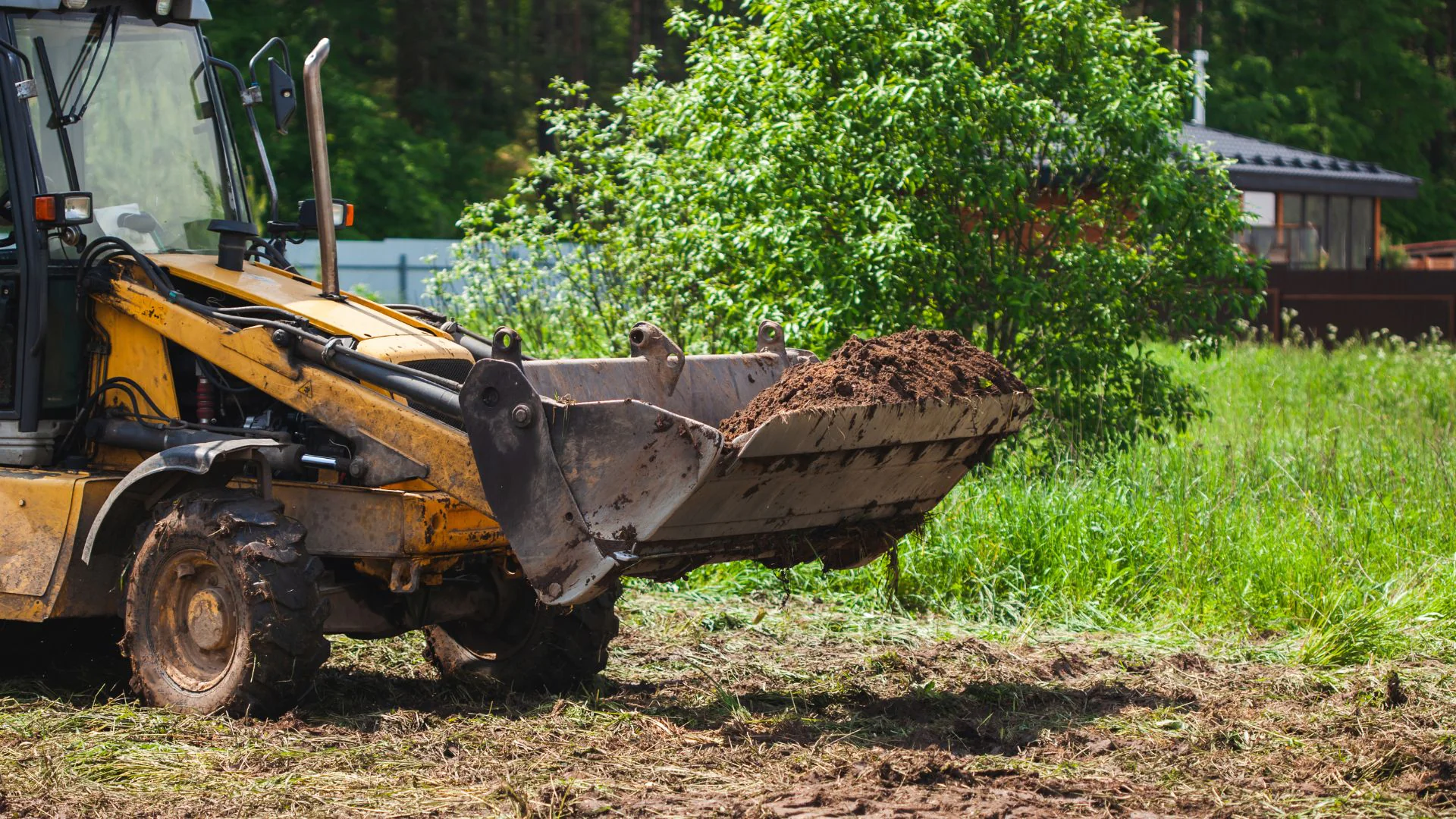
Most land clearing jobs in Lower Chichester aren’t starting from scratch. They’re starting from decades of neglect overgrown shrubs that have swallowed a fence line, tree roots from stumps that were cut but never properly removed, and brush so thick you can’t tell where the property ends. When the work is done right, you don’t just have an empty lot. You have usable ground that’s graded, clean, and ready for whatever you’re building next.
The housing stock in Linwood tells the story. Brick Ramblers and foursquares from the early 1900s through the 1930s are the norm here, and those properties have had a long time to accumulate problems. New buyers especially and there are plenty of them, given that homes in this area sell faster than the national average often discover the lot situation after the keys are in hand. Getting it cleared and graded before any outdoor work begins isn’t optional. It’s the foundation everything else depends on.
There’s also the creek to think about. The West Branch of Naamans Creek runs through Lower Chichester Township, and properties near that corridor can fall under Pennsylvania DEP wetland and waterway regulations. Knowing which permits apply before equipment hits the ground isn’t just smart it protects you from stop-work orders and costly rework. That’s the kind of thing a contractor who actually knows this area handles upfront, not after the fact.
We’re based in Aston, PA a short drive up Chichester Avenue from Lower Chichester. That’s not a coincidence. This is the part of Delaware County we know best: the older lots, the compact yards, the brick homes that have been in families for generations, and the properties that have quietly gone wild while life got busy. We’ve been working in this corridor for over 15 years, and Renato our owner is personally involved in every project.
That matters more than it sounds. When you call, you’re not reaching a dispatcher. You’re reaching the person who will actually show up, assess your property, give you a straight number, and make sure the job gets done. One team, start to finish. No rotating crews, no handoffs, no surprises on the final invoice.
We’re also fully insured liability and workers’ compensation which Delaware County townships require before any permit is issued. If a contractor can’t confirm that upfront, that’s a problem worth knowing before work starts.

It starts with a free consultation. Renato walks the property with you, takes a real look at what’s there the brush density, the stumps, the grade, the proximity to any drainage or creek setbacks and gives you a written estimate based on what he actually sees. No guesswork, no vague ranges that double by the end. You know the number before anything moves.
From there, our crew handles clearing in the right order: vegetation and brush first, then stumps and root systems, then grading to make sure water moves the way it should. For properties near the West Branch of Naamans Creek or in any area with floodplain considerations, we handle the PA DEP permit research before equipment touches the ground. Lower Chichester Township has its own zoning ordinance and planning commission, and any clearing tied to a formal land development application goes through that process we know how it works and we handle it.
Once the clearing is done, the site is clean. Debris is removed, the grade is finished, and the ground is ready for whatever comes next whether that’s a patio, a retaining wall, a home addition, or just a yard you can finally use. If you need that next phase handled too, we do that work as well. One contractor, one conversation, no coordination headaches.

Ready to get started?
Land clearing in Lower Chichester isn’t a one-size job. A compact Linwood lot with 80 years of accumulated growth needs different equipment and a different approach than a larger parcel near the Marcus Hook corridor being prepped for commercial use. We handle both residential lot clearing, brush and overgrowth removal, stump grinding, grading, and full site preparation for construction. Whatever the scope, the process is the same: assess it honestly, price it clearly, and execute it cleanly.
What separates our work from hiring a tree service or a clearing-only crew is what happens after. Most clearing operators haul away the debris and move on. We can take the cleared site and continue into excavation, drainage, retaining walls, masonry, patios, and landscaping all under the same contract, with the same team. For a homeowner in Linwood who wants to clear the back half of their property and then build something on it, that continuity is the difference between a smooth project and months of trying to coordinate contractors who’ve never met each other.
Every job includes full site cleanup before we leave. No brush piles left at the curb, no stumps sitting half-ground, no equipment ruts left unaddressed. The site is finished not just cleared.
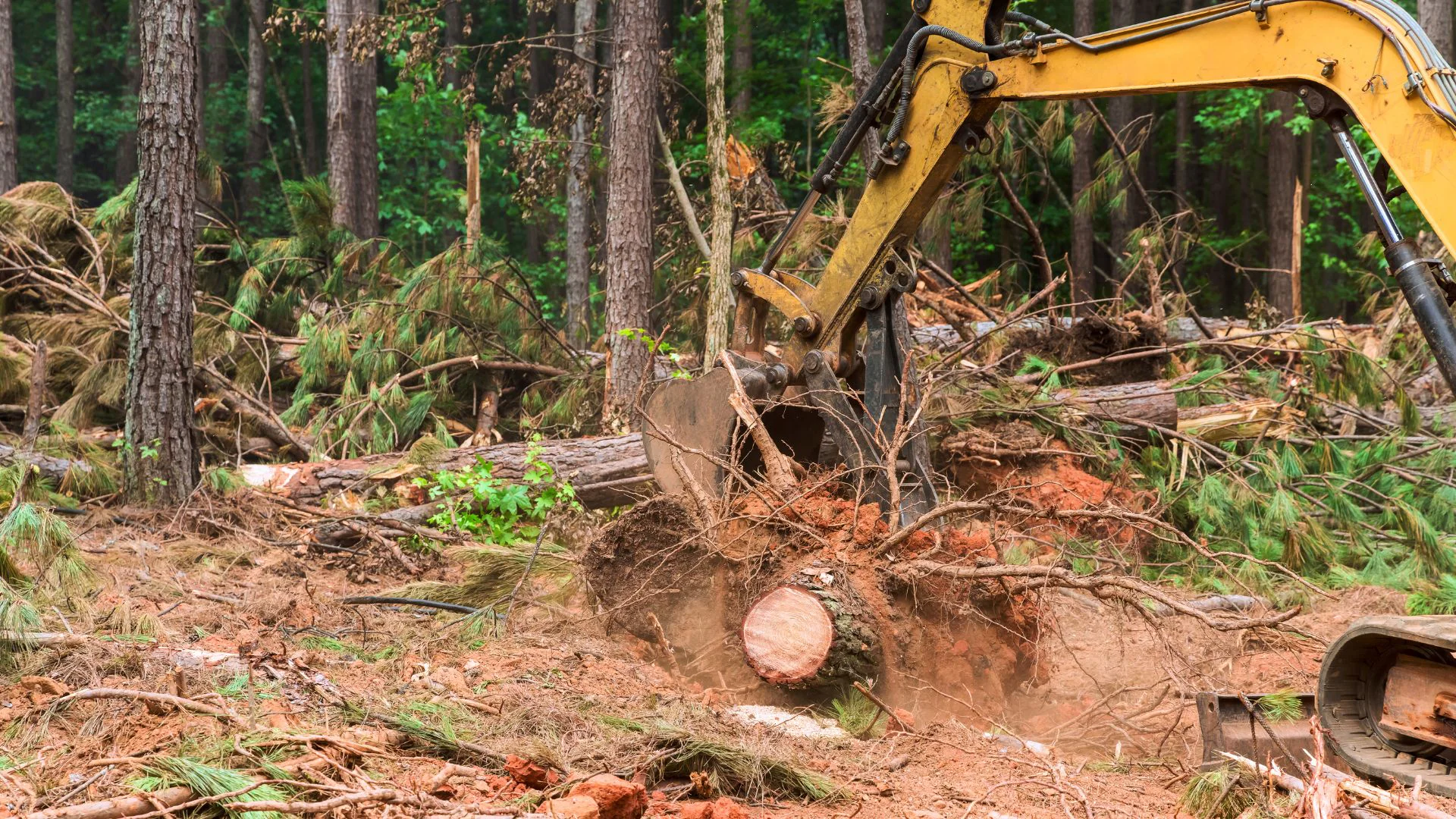
It depends on the scope of work and where your property sits. For most standard residential lot clearing overgrowth removal, brush clearing, stump grinding a formal land development permit through Lower Chichester Township’s planning commission isn’t required. But if your clearing is tied to a subdivision, a new structure, or any formal land development application, it goes through the township’s review process under Pennsylvania’s Municipal Planning Code.
The bigger permit question in Lower Chichester specifically is the creek corridor. The West Branch of Naamans Creek runs through the township, and properties near that waterway may fall under Pennsylvania DEP Chapter 105 the waterway obstruction and encroachment regulations as well as potential Army Corps of Engineers jurisdiction under Section 404 of the Clean Water Act. If your property is anywhere near that drainage corridor, those permits need to be identified and addressed before any equipment moves. We handle that research as part of the project not as an afterthought.
Professional land clearing generally runs between $1,395 and $6,174 per acre depending on vegetation density, terrain, and what’s involved in the job. Lightly overgrown lots on the lower end, heavily wooded or root-heavy ground on the higher end.
For the typical Linwood property a compact lot attached to a brick Rambler or foursquare, with accumulated overgrowth and possibly old stumps the scope is usually manageable. What drives cost up is root systems from trees that were removed years ago but never properly ground out, proximity to drainage areas that require more careful equipment work, and debris volume. The best way to get a real number for your specific property in Lower Chichester is a free on-site consultation, where the estimate is based on what’s actually there not a formula applied over the phone.
They’re used interchangeably in most conversations, and for most residential projects in Lower Chichester, they describe the same work: removing overgrown vegetation, brush, shrubs, small trees, stumps, and debris from a property to prepare it for use. The distinction, when it comes up, is usually about scale. “Land clearing” sometimes refers to larger-scale clearing for development or construction, while “lot clearing” is more commonly used for residential parcels. In practice, the process and equipment overlap significantly.
What matters more than the terminology is understanding what’s actually included. Some clearing crews stop at cutting and hauling they leave stumps, leave the grade unaddressed, and leave cleanup to you. A complete lot clearing job should include stump removal or grinding, rough grading to establish proper drainage, and full debris removal from the site. If you’re planning to build or landscape on the cleared area, the grade work is especially important water that doesn’t drain properly after clearing creates problems that are much more expensive to fix later.
Spring and fall are the two strongest windows, and both have real advantages. Spring March through May is peak demand season. The ground has thawed, conditions are workable, and homeowners who have been watching an overgrown lot all winter are ready to move. If you’re planning a spring or summer project and need clearing done first, scheduling early in the season matters because contractor availability fills up faster than most people expect.
Fall is the second best window, and in some ways it’s cleaner. Vegetation has died back, sight lines through brush are better, and the ground is typically in good shape before the freeze. For Lower Chichester specifically, the proximity to the Delaware River means the area sees nor’easters and coastal storm systems that can bring down trees and create debris fields on residential properties post-storm cleanup demand in fall and winter is real here. Late winter can also work for larger clearing jobs when the ground is frozen solid, since frozen ground reduces soil compaction and equipment disturbance. If you have flexibility, fall and early spring are the easiest times to get on the schedule and get the cleanest result.
Stump removal and stump grinding are typically priced as part of the overall clearing scope, but it’s worth confirming exactly what’s included when you get your estimate because not every contractor handles it the same way. Some will cut brush and remove debris but leave stumps for a separate crew or a separate invoice. That’s worth knowing upfront, not after the job is done.
For most properties in Linwood and Lower Chichester, stump management isn’t optional it’s the difference between a cleared lot and a usable one. The older housing stock here means many properties have trees that were removed years or even decades ago, with root systems still in the ground. Those roots interfere with grading, drainage, and any construction or landscaping that follows. Grinding the stump to below grade and addressing the root zone is what makes the cleared area actually buildable. When you get a written estimate from us, stump work is part of the conversation from the start not a line item that appears later.
Yes and for most homeowners in Lower Chichester, that’s the more practical way to approach a project. The typical scenario here is a homeowner who wants to clear an overgrown section of their property and then do something with it: a patio, a retaining wall, a home addition, a garage pad. If you hire a clearing-only crew for the first phase and then start over with a separate contractor for the build, you’re coordinating two different schedules, two different scopes, and two different standards of work on the same piece of ground.
We handle the full sequence land clearing and grading, excavation, drainage, retaining walls, masonry, patios, walkways, and landscaping all under one contract, with one team. That’s not a pitch for more work. It’s a practical reality for the kind of projects that come up on Linwood’s older properties, where the clearing is just the first step in a larger renovation. One point of contact from start to finish means fewer gaps, fewer miscommunications, and a finished result that actually matches what you had in mind when the project started.
Useful Links
Other Services we provide in Lower Chichester