
Hear from Our Customers

Most Glenolden properties were built between the 1920s and 1950s. The trees planted back then are now 60 or 70 feet tall, the shrubs have taken over the fence line, and what used to be usable yard space has quietly become a problem. Overgrowth on a sub-quarter-acre lot doesn’t just look bad it causes real issues: root systems undermining old foundations, drainage problems pushing water toward basements, and encroachment that your neighbors notice just as much as you do.
When the clearing is done right, you get your property back. A backyard that’s actually usable. A lot that drains the way it should. A foundation that isn’t being slowly pressured by root systems that have had decades to spread. For a lot of Glenolden homeowners, clearing is the first step toward something bigger a garage, a patio, an addition and getting that first step right determines how the rest of the project goes.
Glenolden’s older housing stock also means decades of accumulated debris, old stumps from trees long gone, and invasive species like Japanese knotweed and multiflora rose that spread fast in Delaware County’s humid summers. Surface-level cutting doesn’t solve that. What solves it is a crew that knows the difference between clearing a lot and actually preparing it for whatever comes next.
We’re based in Aston, PA a straight shot down Chester Pike from Glenolden. That’s not a coincidence. Delaware County is the market we built this business around, and Glenolden’s dense residential streets are exactly the kind of environment our crew works in regularly.
What makes a difference here isn’t just experience it’s that you get the same team from start to finish. No rotating subcontractors, no strangers showing up on day two. Renato is personally involved, personally reachable, and personally accountable for how the job goes. In a borough where everyone knows everyone, that matters.
And this isn’t a clearing-only operation. We handle everything from brush clearing and overgrowth removal through grading, excavation, drainage correction, and hardscaping. So if your project doesn’t end at the clearing, you don’t need to start over with a new contractor.

It starts with a free on-site consultation. Renato walks the property with you, looks at what’s actually there not just the surface overgrowth but what’s underneath it and gives you a written estimate before any work is scheduled. No verbal ballparks that shift when the invoice comes. Everything is documented upfront.
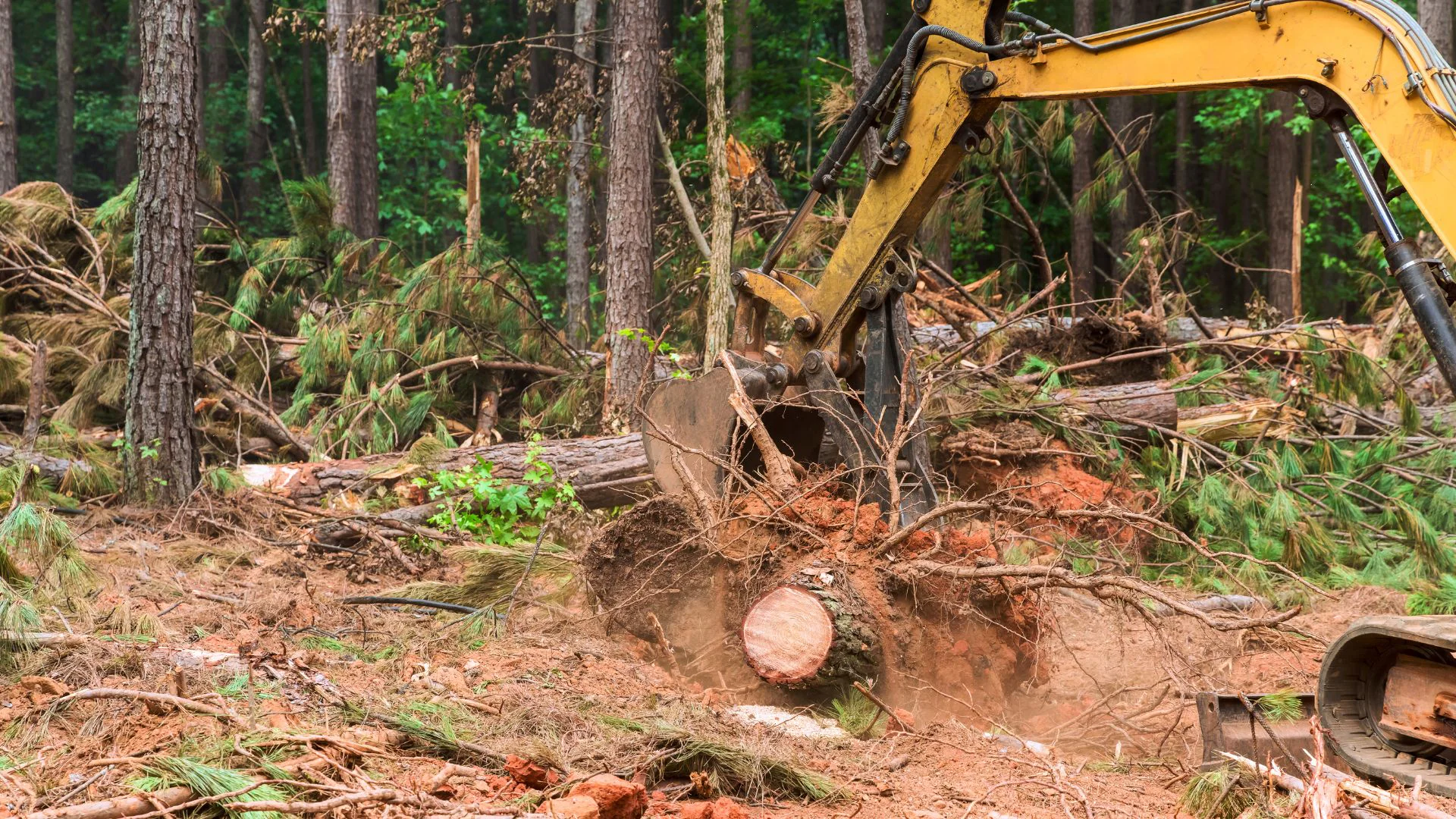
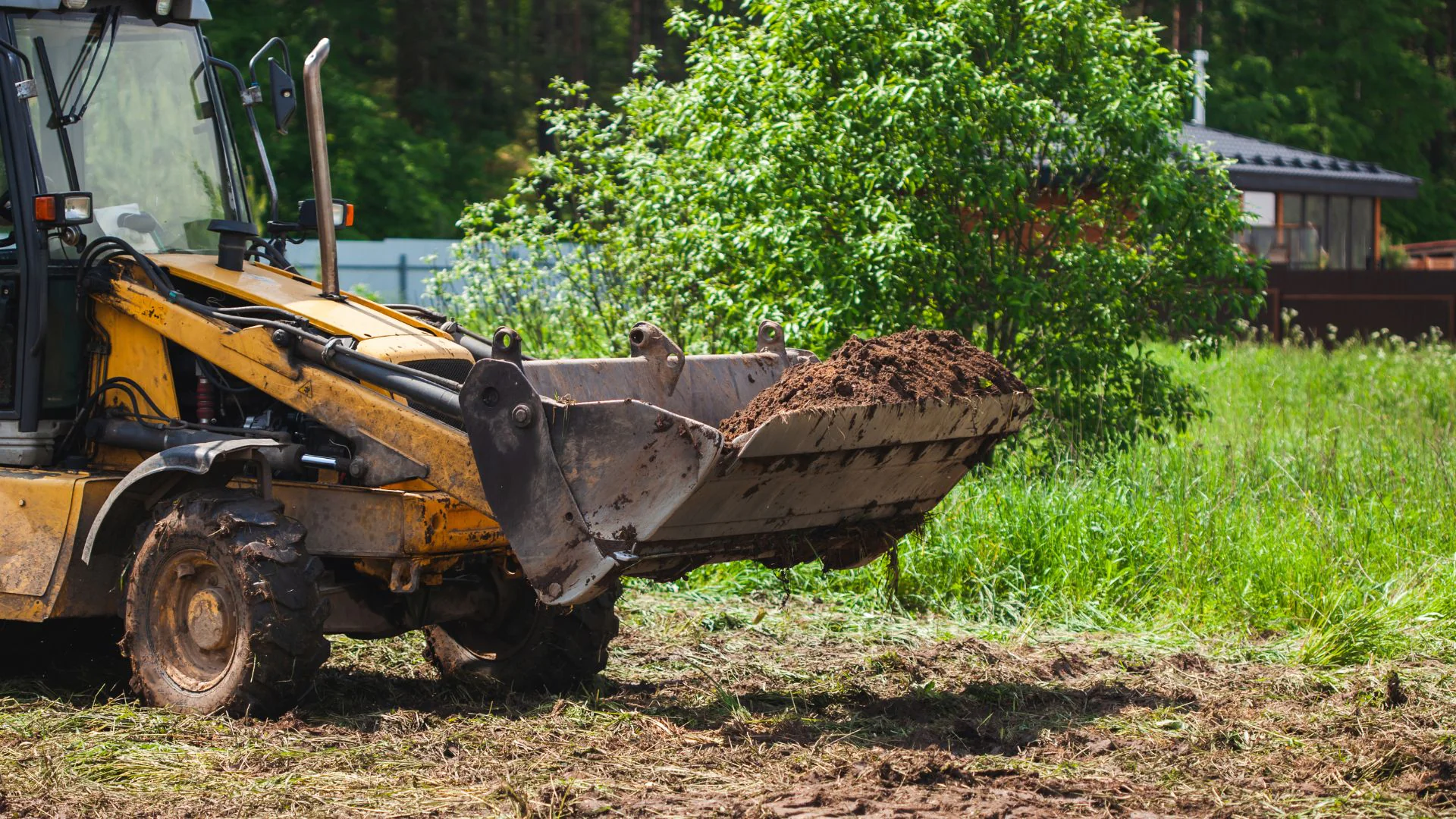
Once work begins, our crew handles clearing in a sequence that makes sense for the lot. In Glenolden, that typically means working carefully around existing structures, neighboring fences, and the kind of mature root systems that come with 80-year-old landscaping. Equipment is sized for the job, not whatever happens to be available because maneuvering on a narrow residential street off MacDade Boulevard or Chester Pike is a different situation than clearing an open field.
Debris is hauled away completely. Stumps are addressed, not left behind for you to deal with. If the project calls for grading or drainage work after the clearing which it often does in older Glenolden properties where overgrowth has disrupted the original grade that’s handled by the same team under the same contract. Glenolden Borough has its own permit and contractor requirements, and we know what triggers a permit here and what doesn’t, so you’re not left guessing about that on your own.
Ready to get started?
Land clearing in Glenolden isn’t a single task it’s usually the beginning of something. Whether you’re reclaiming a neglected backyard, preparing a side lot for a new structure, or dealing with overgrowth that’s been creeping toward your foundation for years, the scope of what needs to happen depends on what’s actually on the property.
Our clearing work covers brush clearing and overgrowth removal, tree and stump removal, debris hauling, and full site cleanup. But what separates this from a basic clearing job is what comes after. Glenolden’s aging housing stock and older grading means a lot of cleared lots have drainage issues that only become visible once the vegetation is gone. We can regrade the site, install drainage corrections, and set the lot up properly not just cleared, but actually ready for whatever you’re building or planting next.
For homeowners planning a patio, addition, or outbuilding, the full-service model means one contract, one team, and no gap between the crew that clears and the crew that builds. Every job comes with a written estimate, full liability and workers’ compensation insurance which Glenolden Borough requires before any permitted work begins and a firm timeline so your project doesn’t drag on and become your neighbors’ problem too.

It depends on what the clearing involves. In Glenolden Borough, straightforward overgrowth removal or brush clearing on a residential lot generally doesn’t require a permit on its own. But once the scope expands grading changes, drainage alterations, or site preparation for a new structure you’re likely looking at permit requirements through the borough’s code enforcement office at 36 Boon Ave.
What makes this tricky for homeowners is that the line isn’t always obvious. A job that starts as “just clearing the backyard” can easily cross into permitted territory once grading or drainage work enters the picture. Glenolden Borough requires contractors to carry current Certificates of Insurance for both Liability and Workers’ Compensation before any permitted work can begin. We carry both, know where the permit threshold typically falls in Glenolden, and can walk you through what your specific project will require before any work starts so there are no surprises and no stop-work orders down the road.
For a typical Glenolden residential lot sub-quarter-acre, with overgrowth, mature shrubs, and possibly a few stumps clearing alone generally runs somewhere between $500 and $3,000. Where your project lands in that range depends on a few real factors: how dense the vegetation is, how many stumps need to be ground, how accessible the lot is for equipment, and whether debris hauling is included or quoted separately.
What tends to catch Glenolden homeowners off guard is when a low initial quote doesn’t include stump grinding, debris removal, or disposal fees and those add up fast. Our written estimates cover the full scope of what was discussed, so the number you see before work starts is the number you’re working with. If the project includes grading or drainage work after the clearing, that’s quoted separately and clearly, not folded in as a surprise line item at the end.
Yes, and this is something a lot of Glenolden homeowners don’t anticipate. Delaware County’s humid summers create ideal conditions for invasive species like Japanese knotweed, multiflora rose, and English ivy all of which are common in older residential neighborhoods throughout the county, including Glenolden. These aren’t plants you can just cut back and call done. Japanese knotweed in particular has a root system that can run several feet deep and spread aggressively if the removal isn’t thorough.
When invasive species are present, the clearing process takes longer and requires more than surface cutting. That affects the overall cost and the timeline. The good news is that identifying what’s actually on the property and pricing accordingly is exactly what the initial consultation is for. Renato walks the lot before any estimate is written, so you know what you’re dealing with before anyone starts working, and the quote reflects the actual scope rather than the optimistic version of it.
Often, yes and this connection is more direct than most homeowners realize. A lot of the basement flooding and standing water problems that show up in Glenolden’s older homes aren’t just infrastructure issues. They’re grading issues. Decades of unchecked vegetation growth tree roots, spreading shrubs, accumulated debris can gradually alter the slope of a lot and redirect water toward the foundation instead of away from it.
Clearing the overgrowth is step one. But if the grade has shifted over the years, clearing alone won’t fix the drainage. That’s where our full-service model becomes genuinely useful: the same team that handles the clearing can regrade the site and install drainage corrections as part of the same project. For a Glenolden home that’s 80 or 100 years old, getting the drainage right after clearing isn’t an optional upgrade it’s often what protects the foundation from the next heavy rain.
Spring and fall are the two peak windows, and both have real advantages for Delaware County properties. Spring roughly March through May is when most homeowners get motivated after winter, and it lines up well with getting a site prepared ahead of summer construction. If you’re planning a patio, addition, or pool and want to build in warm weather, spring clearing gives you that runway.
Fall is the second strong window, especially for Glenolden properties dealing with storm damage from late-season nor’easters or wind events. Mature trees in a dense borough take hits in those storms, and getting damaged trees and debris cleared before winter is both a safety issue and a practical one. Winter clearing is also worth knowing about frozen ground can actually make equipment work easier with less soil disturbance, and demand is lower, which sometimes means better scheduling availability. The best time is when your project is ready, not when the calendar says so.
We handle the full project. That’s one of the real differences between hiring a dedicated land clearing or tree service company versus a full-service operation like ours. Most clearing companies clear and leave what happens to the lot after that is your problem to figure out and your next contractor to find.
Our work covers land clearing, grading, excavation, drainage, masonry, patios, retaining walls, and landscaping all under one contract and one team. For Glenolden homeowners who are clearing a lot as the first step toward a garage, an addition, a patio, or a backyard overhaul, that means you’re not starting the contractor search over again once the brush is gone. The crew that prepares your site is the same crew that finishes it. That continuity matters in a borough this dense, where a project that drags on or involves multiple rotating crews becomes a disruption for the whole street not just your property.
Useful Links