
Hear from Our Customers

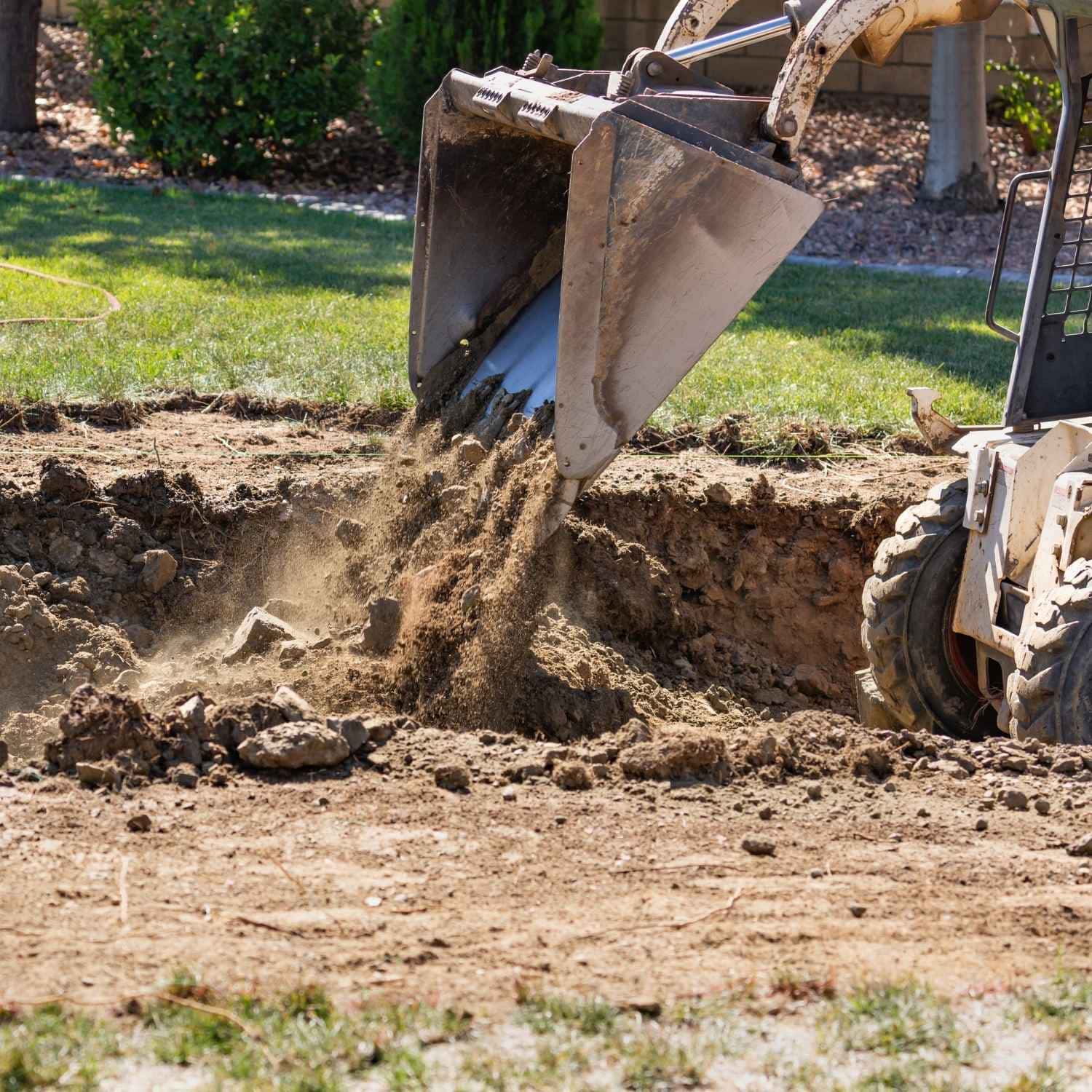
Wayne has dealt with flooding for decades. It’s not a mystery it’s what happens when grading isn’t done with drainage in mind. If your yard holds water after a storm, or your basement takes on moisture every spring, that’s a grading problem, not a weather problem. The fix isn’t cosmetic. It’s about slope, infiltration, and understanding how water moves across your specific lot.
Wayne’s older housing stock adds another layer. A lot of the most desirable properties here were built in the late 1800s and early 1900s, which means original grading that was never designed for today’s impervious surface loads, mature root systems that complicate digging, and utility lines that don’t always run where you’d expect. Getting excavation right on a property like that takes more than equipment it takes experience reading what’s already there.
When the work is done correctly, you get a site that holds up, drains properly, and is ready for whatever comes next whether that’s a retaining wall, a patio, a pool, or a finished outdoor living space. No erosion. No standing water. No call-backs.
We’re based in Aston, PA and have been doing site work across Delaware County for over a decade. That includes properties in Wayne where the permit process is specific, the lots are large, and homeowners expect a contractor who actually knows what they’re walking into before the first bucket of dirt moves.
Renato Spennato runs the business personally. That means when something comes up mid-project a soil condition that changes the plan, a drainage issue that wasn’t visible at the estimate you’re talking to the person making the call, not a dispatcher. Out of more than 125,000 licensed Pennsylvania contractors tracked by BuildZoom, we rank in the top 11% with a score of 102. That’s independently verifiable, not a marketing claim.
We’re not a company trying to expand its territory into Wayne. We’re a Delaware County contractor that knows the area, knows the codes, and does the work right.
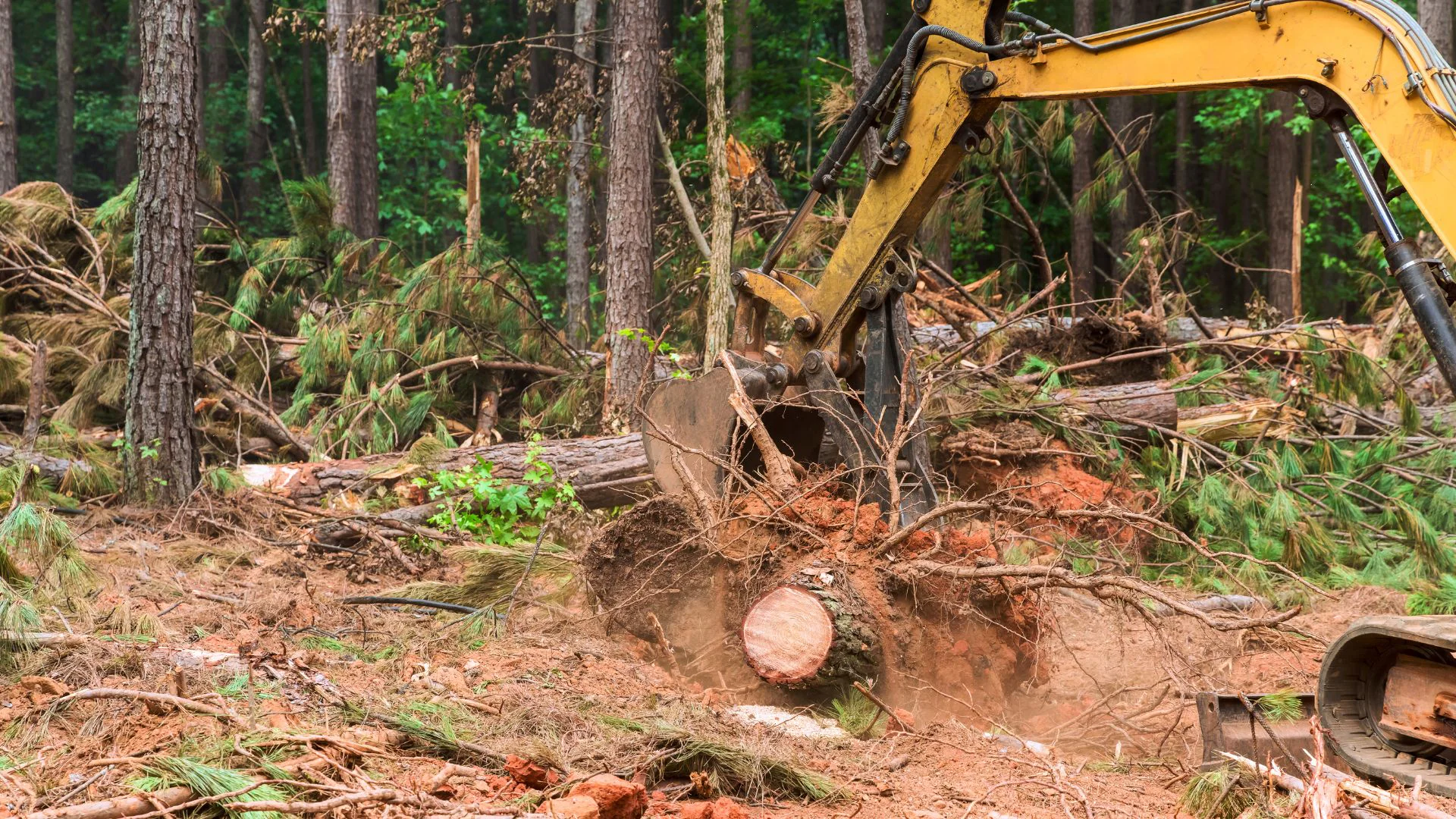
It starts with a site assessment not just a quick walk-around, but a real look at existing terrain, soil composition, drainage patterns, and what’s already in the ground. In Wayne, that step matters more than most places. Mature trees, aging infrastructure, and clay-heavy soils are common on larger residential lots, and they all affect how the work gets planned and sequenced.
Before any digging starts, permits get handled. Radnor Township requires a grading permit for all earth-moving work no minimum threshold. That permit costs $1,500, requires a five-copy site plan submission showing existing and proposed impervious coverage, and must be approved before a building permit application is even accepted. If your project involves adding or replacing more than 499 square feet of impervious surface, a stormwater management permit is required on top of that. These aren’t optional steps, and a contractor who skips them creates real liability for you as the homeowner. We manage this process upfront, not after the fact.
Once permits are in place, excavation and grading proceed in the right sequence clearing, cutting, compaction, drainage installation where needed. If your project continues into hardscape, masonry, or an outdoor living build, the same crew carries it through. You don’t hand off to a second contractor and start over.

Ready to get started?
We handle the full range of residential site work in Wayne: land clearing, rough and finish grading, foundation excavation, drainage correction, retaining wall preparation, and complete site preparation for new construction or outdoor living projects. Our equipment fleet includes bulldozers, excavators, and loaders sized appropriately for the project, not just whatever’s available.
What separates us from a standard dig-and-leave operation is the full-service model. North Wayne is actively seeing new custom home construction on three-quarter-acre-plus lots Foxlane Homes and Rockwell Custom are both building there now. Those projects need complete site preparation before anything above grade can happen. And existing Wayne properties with drainage problems, sloped lots, or aging infrastructure need someone who can assess the full picture, not just move material. Either way, the work doesn’t stop at the excavation phase. Retaining walls, patios, outdoor kitchens, and finished hardscape can all be handled by the same team, which means the grading is designed with the finished project in mind from day one.
Radnor Township’s stormwater requirements and impervious surface rules affect almost every outdoor project in Wayne. That regulatory knowledge is built into how we plan each job not discovered mid-project when a permit gets rejected.
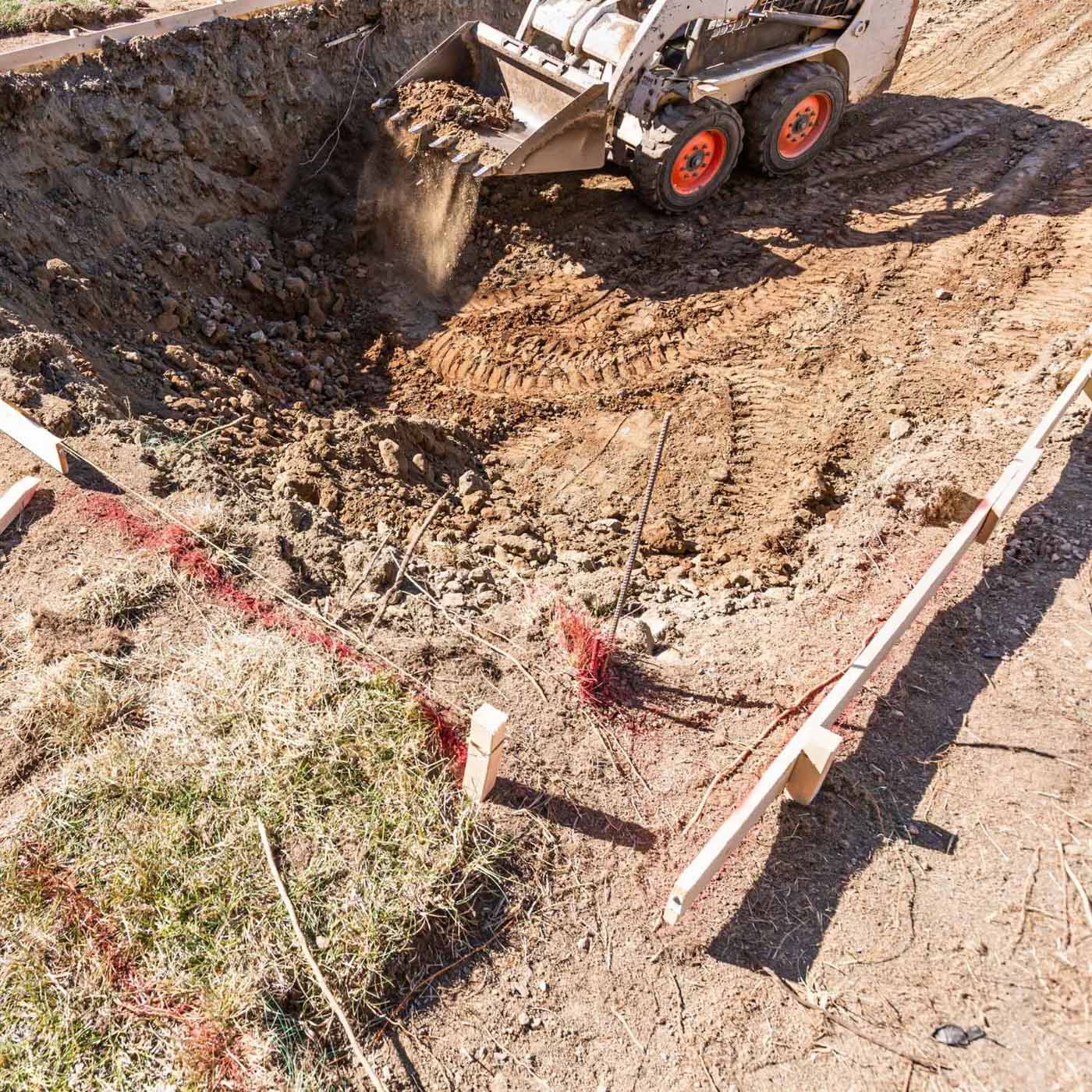
Yes and it applies to every project, not just large ones. Radnor Township requires a grading permit for all earth-moving work without a minimum threshold. That means even a relatively modest grading project on a residential lot in Wayne requires a permit from the Township Engineer before work begins.
The permit costs $1,500 total, structured as a $50 application fee and a $1,450 Professional Services Agreement that funds the Township’s review and inspection process. You’ll need to submit five copies of a site plan showing existing and proposed impervious coverage. If your project involves adding or replacing more than 499 square feet of impervious surface which includes driveways, patios, and walkways a separate stormwater management permit is required, adding another $3,050. One more thing most homeowners don’t know until it’s too late: the grading permit must be fully approved before Radnor Township will accept a building permit application. Getting that sequence wrong delays the entire project.
Nationally, residential excavation averages around $3,975, with a typical range of $1,658 to $6,709 depending on scope. In the Philadelphia Main Line area, that number runs higher generally 15 to 25 percent above the national average due to regional labor costs and the complexity of work on older, larger-lot properties.
In Wayne specifically, several factors tend to push costs toward the upper end of that range. Mature trees and established landscaping on large residential lots increase the complexity of site clearing. Clay-heavy soils common in Delaware County require more careful compaction work. And Radnor Township’s permit fees $1,500 for a grading permit, $3,050 for a stormwater permit when applicable are real costs that need to be factored into your budget from the start. We quote projects with permits included, not as a surprise add-on. The most useful thing you can do before calling is have a rough sense of your project scope square footage, slope change, and whether any new impervious surface is involved.
Impervious surface refers to any surface that prevents water from absorbing into the ground pavement, concrete, rooftops, and in many cases, compacted gravel. Radnor Township’s stormwater management framework is built around controlling how much impervious surface exists on a given property, because more impervious surface means more runoff, which contributes directly to the flooding issues that Wayne and other parts of Radnor Township have dealt with for years.
The practical rule is this: if your project adds or replaces more than 499 square feet of impervious surface, your site plan must include a groundwater recharge bed. That’s a subsurface infiltration system designed to offset the additional runoff your new surface creates. It’s not optional, and it affects the design of patios, driveways, walkways, and any other hardscape element that’s part of your project. If you’re planning a patio, a driveway replacement, or a full outdoor living build on your Wayne property, this requirement needs to be part of the plan before you start not a surprise that surfaces when the permit comes back rejected.
The most obvious signs are standing water in your yard after rain, erosion along slopes or garden beds, water intrusion in your basement or crawl space, and soil that stays saturated long after a storm has passed. If you’re seeing any of those consistently, the grading on your property isn’t managing water the way it should.
In Wayne, this is more common than most homeowners expect especially on properties near the Ithan Creek and Darby Creek watersheds, where topography and decades of impervious surface accumulation have created persistent drainage challenges. Older homes on large lots are particularly susceptible because the original grading was done with different standards and different surface coverage in mind. The fix depends on the specific cause it might be regrading a slope, installing a French drain, correcting a low spot that’s collecting water, or a combination. The right answer starts with someone actually looking at how water moves across your property, not just where it ends up.
Most can’t and that’s where a lot of Wayne homeowners run into problems. The typical model in this area is a handoff: an excavation contractor digs and grades, then steps away, and the homeowner coordinates a separate masonry or hardscape contractor for the next phase. On a straightforward project, that’s manageable. On a larger lot in North Wayne where you’re clearing land, installing a retaining wall, and building out a patio or outdoor kitchen, managing that relay race between contractors creates scheduling gaps, accountability gaps, and design inconsistencies.
We handle the full sequence excavation, grading, drainage, retaining walls, masonry, and finished outdoor living features with one crew. That matters because the grading decisions made in phase one directly affect how the hardscape performs in phase two. When the same team is responsible for both, those decisions get made with the finished project in mind from the start, not retrofitted after the fact.
Spring and fall are generally the best windows for excavation and grading work in Wayne. Spring roughly March through May is peak demand season. Homeowners who want outdoor projects done before summer book heavily during this window, and contractor schedules fill up faster than most people anticipate. If you have a project in mind for summer, the time to reach out is late winter or early spring.
Fall is often underrated. The ground is workable, weather is more predictable than spring, and completing grading and site prep before the ground freezes sets you up for an earlier start the following season. Winter excavation December through February is possible but significantly more complicated and expensive when ground frost is a factor. One thing worth noting for Wayne specifically: spring thaw and heavy rain events hit the Ithan Creek and Darby Creek watersheds hard. If drainage correction is part of your project, getting it done before the next wet season is the practical reason to move sooner rather than later.
Useful Links