

Hear from Our Customers
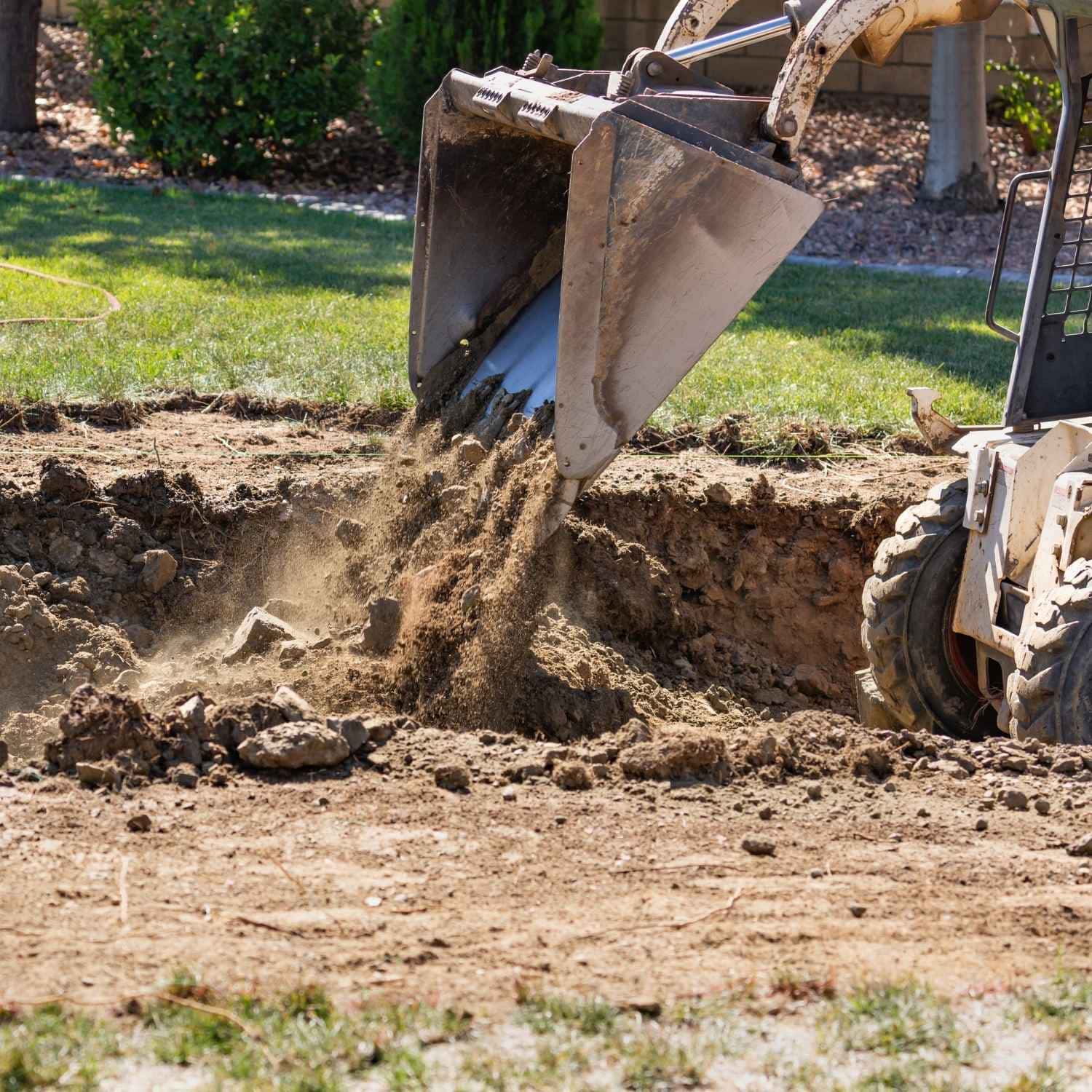
Ridley Park sits in the Crum Creek watershed, and the borough runs a dedicated stormwater management program for a reason. Clay-heavy soils, older drainage infrastructure, and properties that haven’t been properly graded in decades create a real, recurring problem water that pools against foundations, erodes slopes, and turns backyards into seasonal swamps. When excavation and grading are done right, that problem goes away. Not temporarily patched actually solved.
The Victorian and early Colonial homes along streets like Swarthmore Avenue and Stewart Avenue weren’t built with modern drainage engineering in mind. That means most grading work in Ridley Park isn’t just cosmetic it’s corrective. Getting the slope right, directing water away from the structure, and compacting the soil properly are what protect a home that’s already survived 100 years. Done wrong, you’re looking at foundation moisture, cracked slabs, and remediation costs that dwarf what the original job would have run.
When excavation is part of a larger project a retaining wall, a patio, a rebuilt driveway getting the site prep right is what makes everything else hold up. Our approach treats grading as the foundation of the finished result, not an afterthought.
We’re based in Aston, PA a few minutes from Ridley Park Borough. That’s not a detail we throw in for marketing purposes. It means the crew that shows up at your Ridley Park property knows Delaware County soil, knows the compact residential lots that come with a borough this size, and knows what a 100-year-old property looks like once you start digging. That kind of local familiarity doesn’t come from a zip code lookup.
Renato Spennato has been doing this work in Delaware County for over a decade. He’s owner-operated, personally involved in projects, and holds a BuildZoom score of 102 placing us in the top 11% of more than 125,000 licensed Pennsylvania contractors. That score is independently verified. You can look it up before you ever make a call.
Ridley Park is Delaware County’s first planned community. The homes here are worth protecting. The work we do reflects that.
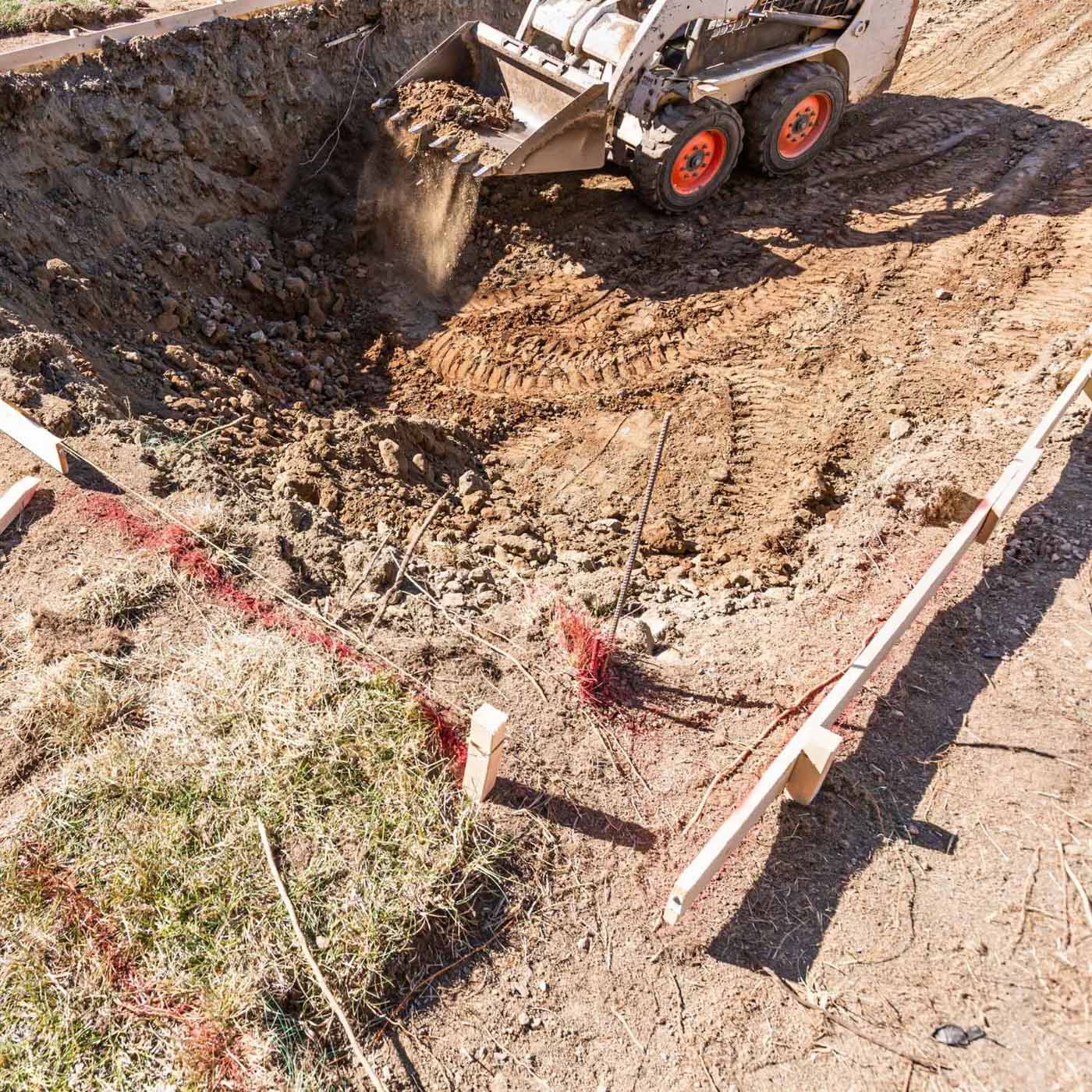
Every project starts with a site walkthrough. Before any equipment arrives, we assess the existing grade, identify drainage patterns, check for access constraints, and talk through the full scope of what needs to happen. For properties in Ridley Park, that often means accounting for mature trees, tight lot lines, and soil conditions that have been compacted and disturbed over decades. There are no surprises because we look for them first.
From there, we handle permitting. Ridley Park Borough requires permits for excavation work within the right-of-way, and final approval isn’t granted until grading and seeding are complete and the borough engineer has signed off. That process has specific steps and we manage them so you don’t have to navigate borough offices on your own. Pennsylvania’s 811 Call Before You Dig requirement is handled before any digging starts, full stop.
Once the site is prepared and graded, the project moves forward whether that’s a retaining wall, a patio installation, a driveway rebuild, or a full outdoor living space. The same crew handles all of it. There’s no handoff to a second contractor, no coordination headache, and no gap between the excavation work and the finished result.
Ready to get started?
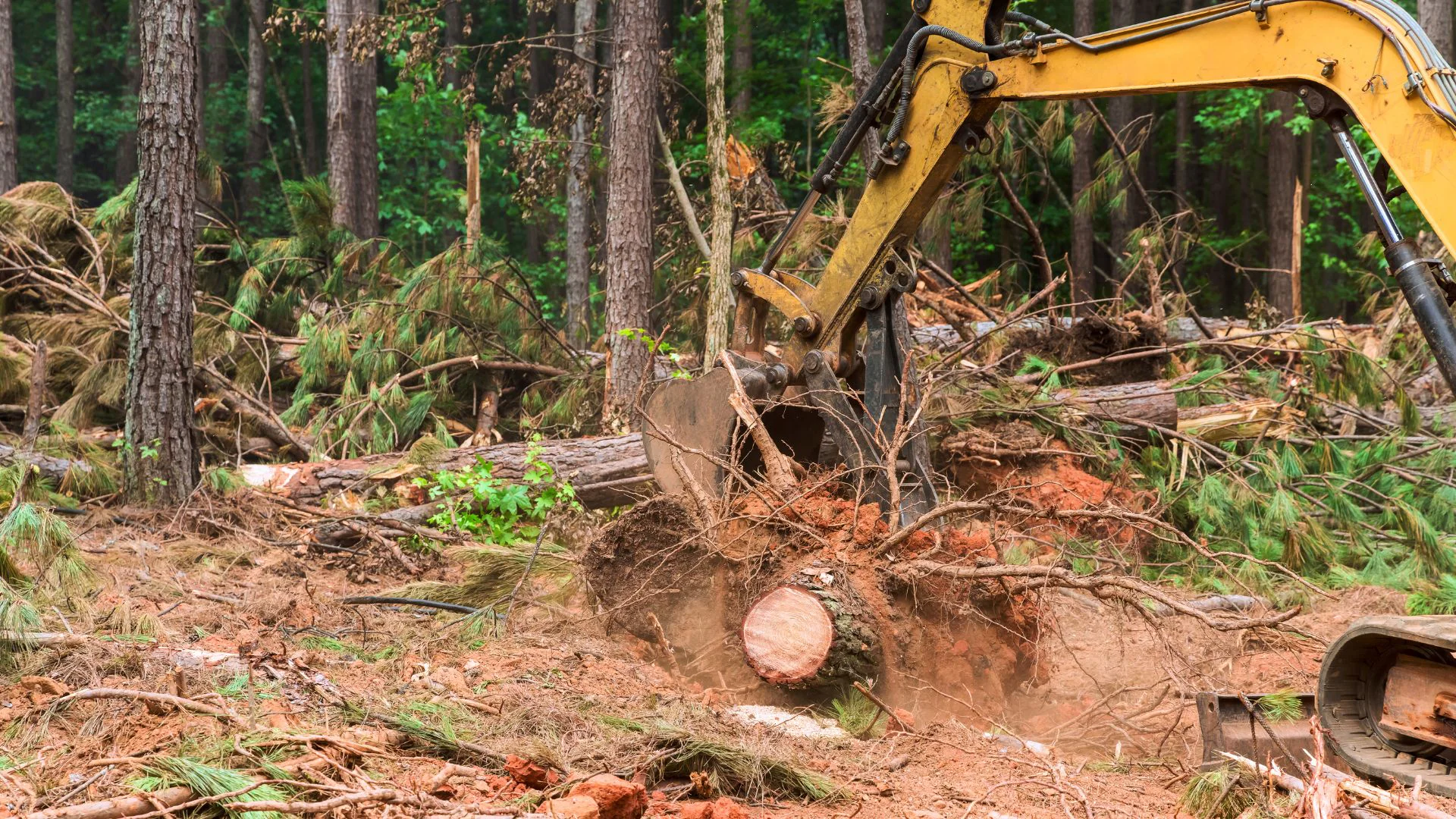
Residential excavation in Ridley Park covers a range of project types yard grading and drainage correction, foundation excavation, retaining wall preparation, pool excavation, driveway removal and site prep, and land clearing for new outdoor structures. What makes us different from most excavation-only contractors in Delaware County is that excavation is the starting point, not the end of the engagement. The same team that digs and grades your site also builds the retaining wall, installs the patio, and finishes the outdoor space you’ve been planning.
For Ridley Park properties specifically, that matters. The borough’s compact 1.1-square-mile footprint means most residential lots have limited equipment access, neighboring structures close by, and established landscaping that needs to be worked around carefully. Our equipment selection and crew experience are sized for exactly this kind of work not oversized commercial rigs that tear up a yard to move a cubic yard of dirt.
Excavation costs in Delaware County typically range from $1,600 to $7,000 for residential projects, depending on soil conditions, project scope, access, and whether grading, drainage, or additional site work is involved. Clay-heavy soils common throughout the Crum Creek corridor where Ridley Park is located add time and cost to material removal. Every quote from us is scoped to your specific site, so you know what you’re getting before work begins.

Yes, and the process in Ridley Park Borough is more involved than many homeowners expect. The borough requires permits for any excavation within a public right-of-way, roadway, sidewalk, curb, or alley and no permit is issued without written approval from the borough engineer. Final approval isn’t granted until the finished grade has been inspected and the site has been seeded and approved in writing.
For most residential excavation projects that stay entirely on private property in Ridley Park, the permit process is more straightforward but if your project touches the curb line, a shared drainage easement, or any borough-maintained infrastructure, you’re in borough engineer territory. We handle the permit process as part of the project scope. We know what Ridley Park Borough requires, and we don’t hand you a shovel and tell you to figure out the paperwork yourself.
For most residential excavation and grading projects in Ridley Park, you’re looking at a range of roughly $1,600 to $7,000 with the final number depending on the scope of work, soil conditions, access to the site, and what’s happening after the dig. Smaller grading corrections on the lower end, larger foundation or drainage projects toward the higher end.
One factor that pushes costs up in Ridley Park is soil composition. The clay-heavy soils along the Crum Creek corridor hold water, compact unevenly, and add weight to material removal all of which affects both time and equipment requirements. Properties in Ridley Park also tend to have tighter lot access than newer suburban communities, which can affect equipment selection and crew time. The most accurate number comes from a site-specific assessment, not a ballpark from a phone call.
Excavation is the removal of soil and material from a site digging out for a foundation, clearing land, removing old concrete or debris. Grading is the reshaping of the remaining soil surface to achieve a specific slope, drainage direction, or finished elevation. In practice, most residential projects in Ridley Park involve both, because the reason you’re excavating is usually to fix something a drainage problem, a failed retaining wall, a yard that doesn’t slope correctly and that fix requires grading once the material is removed.
For older properties in Ridley Park, grading is often the more critical of the two. Homes built in the late 1800s and early 1900s weren’t engineered with modern stormwater standards in mind. Over time, soil settles, drainage patterns shift, and what was once a functional grade becomes a liability. If water is running toward your foundation or pooling in the same spots every spring, that’s a grading problem and excavation is how you get to the point where you can fix it properly.
Spring is the most in-demand window typically March through May because the ground is workable after winter and homeowners are ready to move on projects they’ve been planning since fall. The downside is that contractor schedules fill fast, and you’re competing with everyone else in Delaware County who had the same idea. If you want a spring start, the smartest move is to schedule in late winter.
Fall is actually an underrated window for grading and drainage work in Ridley Park. The soil is still workable, rain is less intense than spring, and contractor availability is often better. For drainage corrections especially which are common on older Ridley Park properties near the Crum Creek corridor fall grading gives the site time to settle and establish before the spring thaw puts the drainage system to its first real test. Winter work is possible in mild stretches but typically costs more and is less predictable.
It can, if it’s not planned carefully. Ridley Park’s tree-lined streets are part of what makes the borough what it is, and many residential properties have mature trees with root systems that extend well beyond the visible canopy. Excavation within the root zone generally defined as 1.5 feet of radius for every inch of trunk diameter can cut feeder roots, destabilize the tree, or cause long-term decline that doesn’t show up for a season or two after the work is done.
The way to protect trees during excavation is to identify root zones before the equipment arrives and plan the dig accordingly. That might mean adjusting the scope, using hand tools near the root zone rather than machine excavation, or modifying the drainage solution to route around the tree rather than through its root system. Our site assessment process accounts for existing trees as part of the initial walkthrough not as an afterthought once the excavator is already running.
Usually, yes at the root of it. Persistent pooling in the same areas after rain is almost always a grading issue, a drainage infrastructure issue, or both. In Ridley Park, those problems are common on older properties where the original grade has settled over decades, where clay soils prevent water from percolating, or where prior owners made modifications that redirected drainage without accounting for where the water would end up.
The borough’s stormwater management program exists because this is a documented, widespread issue in the Crum Creek watershed it’s not unique to your property. The fix typically involves excavating the affected area, correcting the grade to direct water away from structures and toward appropriate drainage points, and sometimes installing French drains or catch basins where surface grading alone isn’t enough. A proper site assessment will tell you which solution applies to your specific Ridley Park yard. What it won’t tell you is that the problem will fix itself because in Ridley Park’s clay-heavy soil, it won’t.
Useful Links
Other Services we provide in Ridley Park