
Hear from Our Customers

Radnor Township has a documented $10 million backlog of stormwater infrastructure projects. That’s not a scare tactic it’s a number the township’s own engineering department put on record. When the municipal system is already undersized, the drainage on your property has to be done right the first time, because there’s no backup plan coming from the street.
When excavation and grading are done properly, water moves away from your foundation, your yard holds its shape through wet springs and hard freezes, and you’re not watching a new patio sink or a retaining wall shift two years after the job is done. That’s not a bonus that’s the baseline of what good site work looks like.
Radnor’s residential lots especially in Villanova, Ithan, and the larger Wayne estates sit at higher elevations with real grade changes, clay-heavy soils, and mature trees that complicate every dig. A contractor who learned their trade on flat suburban lots in another part of the county will hit surprises here. The work we do accounts for those conditions from the first pass, not after something goes wrong.
We’re based in Aston, PA right in Delaware County and have been doing excavation, grading, and outdoor work throughout Radnor and the surrounding Main Line communities for years. That matters here because Radnor Township has its own permit process, its own stormwater requirements, and its own terrain. We’re not calling a company that needs to look up the local rules.
Out of more than 125,000 licensed contractors in Pennsylvania, Spennato Landscaping ranks in the top 11% on BuildZoom a score based on license status, project history, and verified reviews. That’s not a self-declared claim. It’s a public ranking you can check yourself.
What makes the day-to-day difference is that Renato Spennato is personally involved in the work. Clients have said it directly in verified reviews we show up on time, communicate clearly, and don’t leave you guessing. For a project in Wayne or Villanova where the property investment is significant and your schedule doesn’t have room for contractor chaos, that accountability is worth something real.
Before any equipment moves, we look at the full picture what you’re building, what the grade looks like now, where the water needs to go, and what Radnor Township is going to require before a shovel hits the ground. In Radnor, that means a grading permit for most projects involving new or replaced impervious surface. The permit requires a site plan, a Township Engineer review, and a Professional Services Account and it has to be approved before a building permit is even issued. We handle that process, not you.
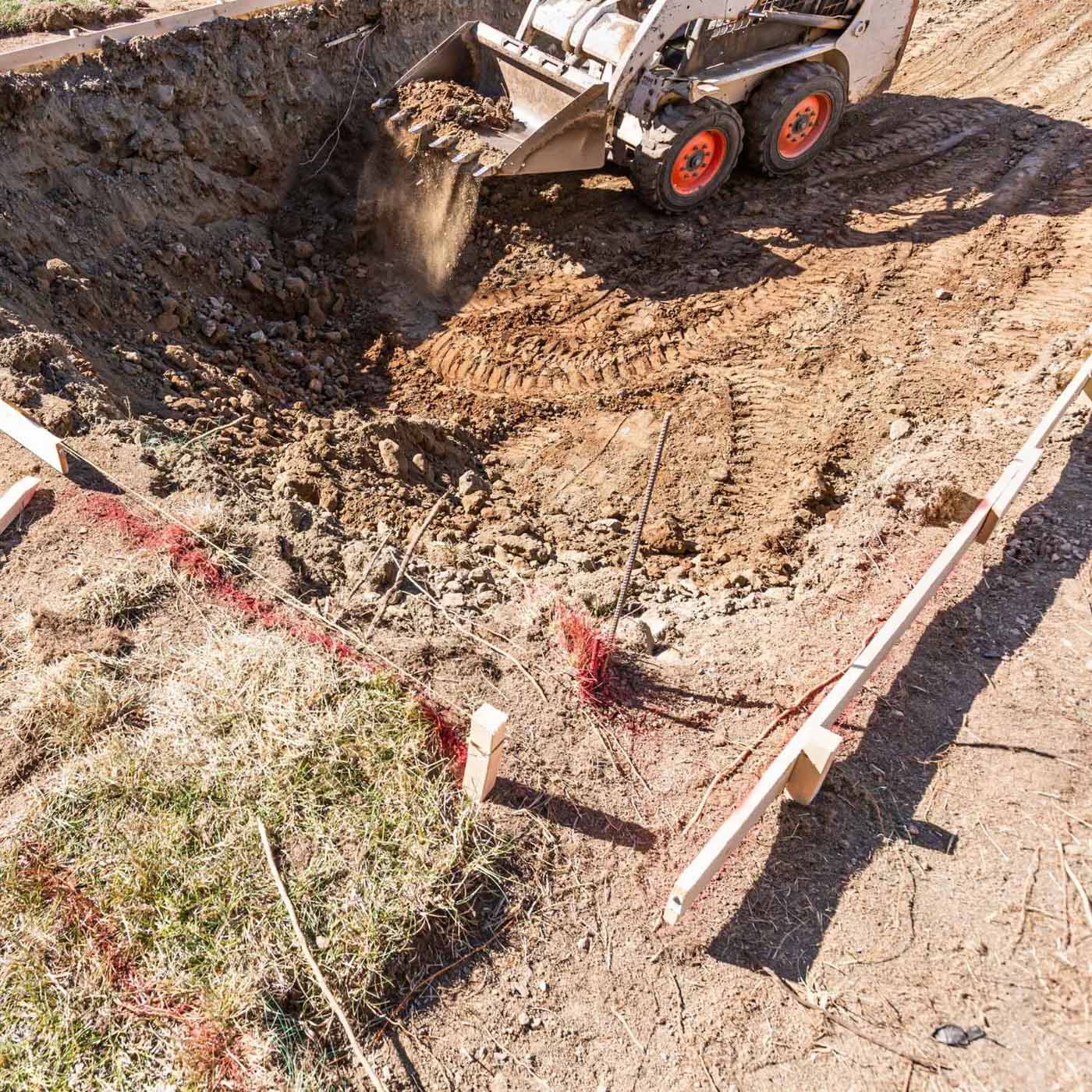
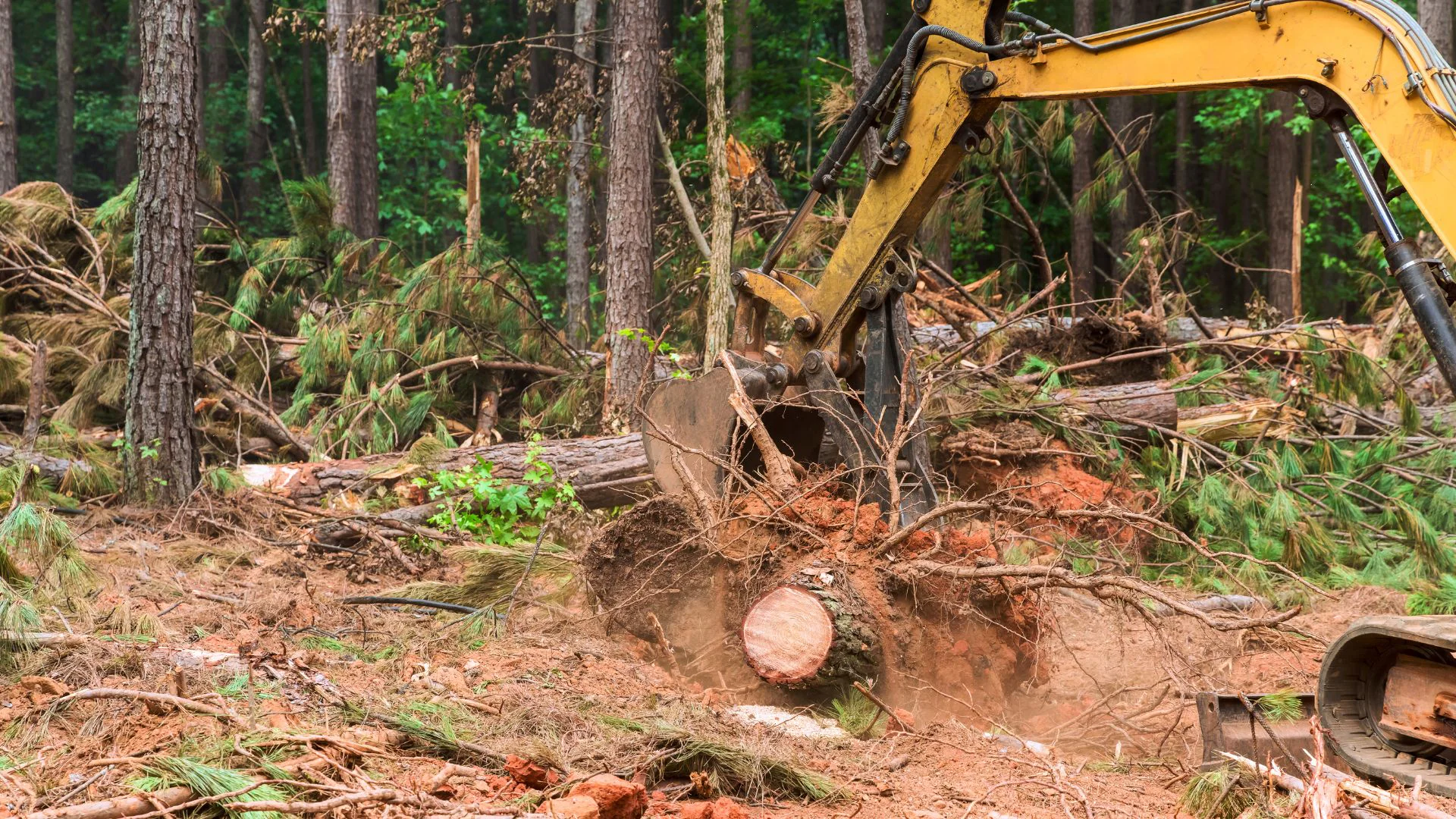
Once permits are squared away, we stage the equipment and begin the dig. For residential excavation in Radnor, that typically means working around established trees, existing stone walls, and mature landscaping that took decades to grow. We plan the approach before we start, not after something is already in the way. Drainage planning is built into every phase slope, compaction, and infiltration are not afterthoughts.
After the excavation and grading are done, the site is left clean, stable, and ready for whatever comes next whether that’s a foundation, a retaining wall, a patio, or a full outdoor living build. If you need the next phase handled too, we can do that with the same crew. No handoffs, no new contractor to coordinate, no gaps in accountability.

Ready to get started?
Residential excavation in Radnor covers more ground than most homeowners expect going in. Beyond moving dirt, there’s impervious surface compliance Radnor Township requires a grading permit any time new or replacement impervious coverage exceeds 499 square feet. That threshold gets crossed fast when you’re adding a patio, driveway, or any hardscape feature. We scope the project with that requirement in mind from the start, so you’re not hit with a compliance problem after the work is done.
The services we handle include excavation and land grading, site preparation for additions and new builds, retaining wall installation, drainage system work, and full outdoor living builds patio, outdoor kitchen, masonry, the whole scope. That last part matters in Radnor specifically, because the properties here often need all of it. A sloped lot in Ithan or a Wayne estate with grade changes doesn’t just need a hole dug it needs a plan that addresses drainage, structure, and finished outdoor space as one connected project.
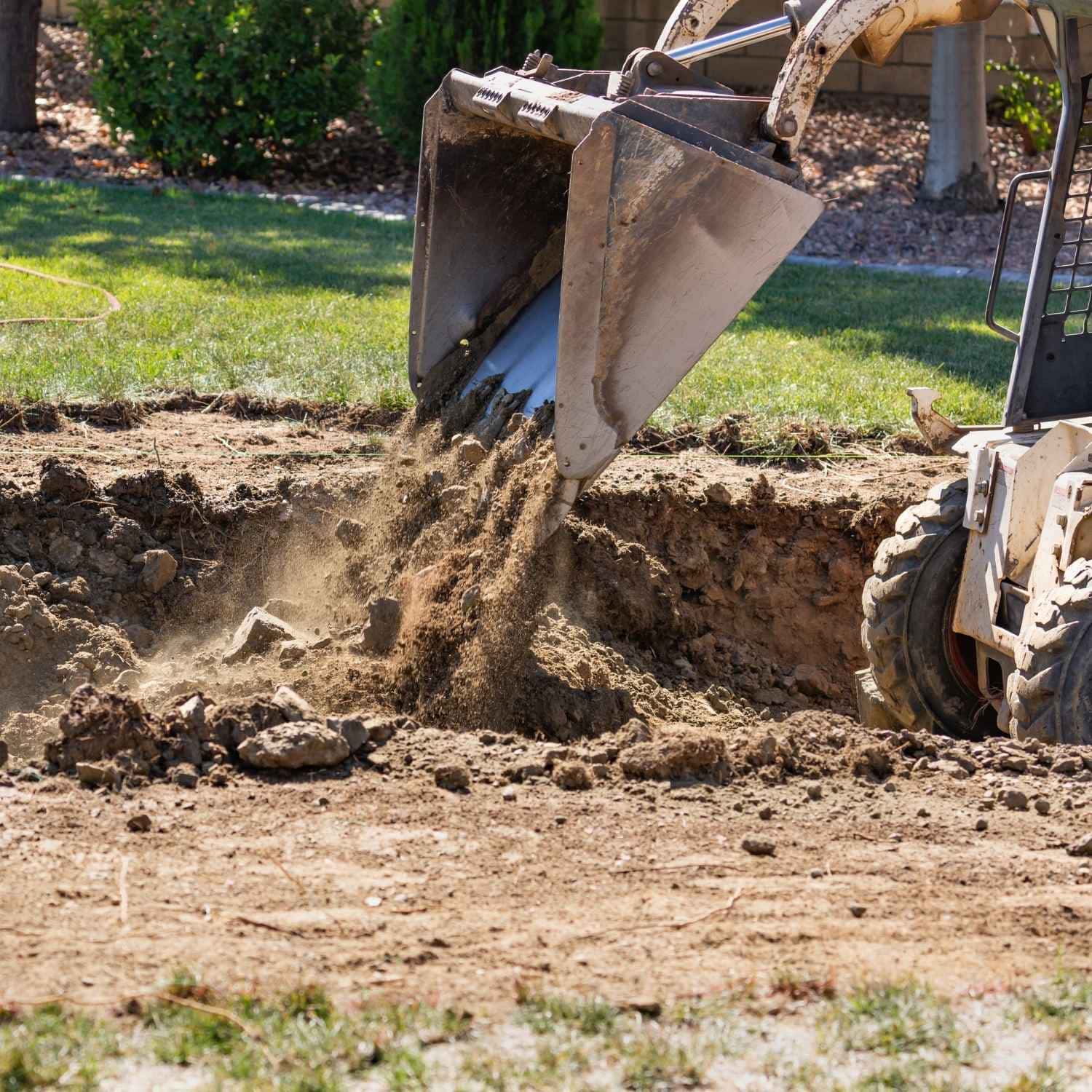
Every job includes proper disposal, compaction, and cleanup. We use bulldozers, excavators, and loaders sized for the work not oversized equipment that tears up a residential property, and not undersized machines that drag out the timeline. The goal is a site that’s ready for the next phase and a yard that looks like a professional crew was there because one was.
Yes and the requirements are more involved than most homeowners realize. Radnor Township requires a grading permit for nearly any project that expands or replaces impervious surface. That includes patios, driveways, additions, and site prep for new builds. The permit costs $1,500, requires five copies of a site plan showing existing and new impervious coverage, and must go through Township Engineer review before a building permit can even be issued.
There’s also a Professional Services Account required as part of the process the township draws from it to cover review and inspection costs, and you’re required to replenish it if the balance drops below $500. It’s a more detailed process than most Delaware County municipalities, and it’s one of the first things we walk through with Radnor homeowners before any project scope is finalized. Getting the permit right upfront keeps the project on track. Missing it can stop a job cold.
In the Philadelphia metro area and specifically on the Main Line where Radnor sits you’re looking at a regional cost multiplier of roughly 10 to 25 percent above the national average, driven by higher labor costs and more complex site conditions.
In Radnor specifically, a few things tend to push costs higher than a typical suburban job: the clay-heavy soils common to Main Line properties require more careful grading and compaction work, sloped lots in areas like Villanova and Ithan add complexity, and the township’s permit process adds a baseline cost of $1,500 plus ongoing review fees. Foundation excavation for larger projects typically runs $5,000 to $12,000. The most accurate number comes from a site visit where we can actually assess the grade, soil conditions, drainage requirements, and what the permit process will look like for your specific property.
Radnor Township’s stormwater management code requires that any new or replacement impervious surface over 499 square feet triggers a grading permit and stormwater management review. Impervious surface includes anything that prevents water from absorbing into the ground concrete, asphalt, pavers, and most hardscape materials. A standard patio or driveway replacement crosses that threshold quickly.
The township’s ordinance also encourages minimizing impervious coverage and using infiltration measures like seepage beds or infiltration trenches where soil conditions allow. This isn’t just a bureaucratic requirement. Radnor has a documented backlog of stormwater infrastructure issues, and the township is actively trying to reduce the burden on an aging system. When you add hardscape without addressing drainage properly, you’re not just risking a permit issue you’re risking water management problems on your own property. We factor impervious surface compliance into every project scope before any work begins.
Yes and on a Radnor property, that’s often the better way to approach it. Many of the lots here, particularly in Villanova, Ithan, and the larger Wayne estates, have significant grade changes that need to be addressed before any finished outdoor work can happen. If you hire a separate excavation contractor and a separate patio or retaining wall contractor, you end up with two separate scopes, two separate timelines, and no single person accountable for how the grading affects the finished result.
We handle the full scope excavation, grading, retaining walls, patios, outdoor kitchens, and masonry with the same crew from start to finish. That means the drainage plan we build into the excavation phase carries through to how the patio is set and how the retaining wall is positioned. It’s not just more convenient. It’s how you avoid the gaps that come from handing a project off between contractors who never actually talked to each other.
Spring and fall are the most active windows for excavation and grading in Radnor, but each has its own considerations. Spring brings peak demand especially for homeowners dealing with drainage issues that surfaced over the winter and booking windows fill up quickly. If you experienced flooding or water intrusion this past spring, you’re not alone. Radnor’s documented stormwater challenges mean that’s a common situation, and contractors who handle drainage-focused grading work get booked out early in the season.
Fall is excellent for site preparation and grading before the ground freezes. Radnor sits at a higher elevation than much of Delaware County, which means the ground freezes earlier here than in lower-lying communities like Darby or Marcus Hook so fall scheduling has a shorter window than it might elsewhere. Winter excavation is possible but more expensive due to frozen ground conditions. If you’re planning a spring project, the smartest move is to get the scope and permits in motion over the winter so you’re not waiting on the Township Engineer review when the ground thaws and everyone else is trying to start at the same time.
The clearest signs are visible: water pooling near your foundation after rain, soggy low spots in the yard that don’t dry out, erosion along slopes or near retaining walls, or water finding its way into a basement or crawl space during wet weather. On Radnor’s older properties many dating to the 19th century the original drainage systems were built before modern standards, and they’ve often been patched or ignored through multiple renovations rather than properly addressed.
The township’s stormwater infrastructure was not designed for current rainfall patterns or current levels of impervious surface coverage, which means the municipal system offers less backup than homeowners might expect. When it rains hard in Wayne or Villanova, the street drainage gets overwhelmed fast, and whatever water your property can’t handle on its own becomes your problem. A site visit is the only way to accurately assess what’s happening we look at the existing grade, where water is moving, what the soil conditions are, and whether the fix is a grading correction, a drainage system, a retaining wall, or some combination of all three.
Useful Links