
Hear from Our Customers
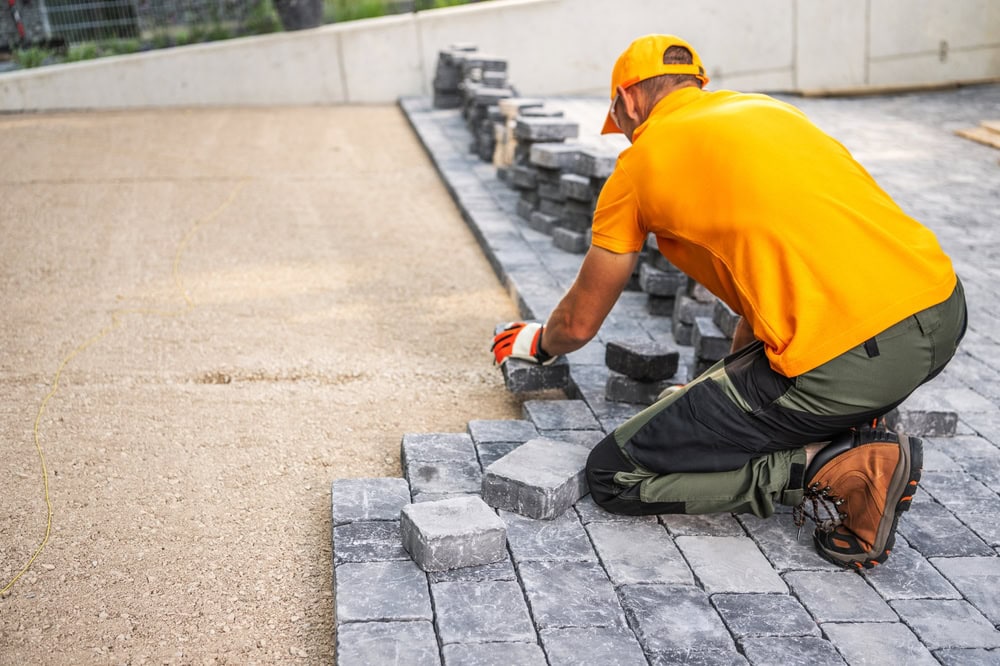
When you’re working with a compact lot in a dense borough like Colwyn, the design decisions matter more — not less. There’s no room for wasted space or a layout that doesn’t hold up. A well-built patio turns a patch of underused yard into a place you actually want to spend time, and it adds real value to your home in the process.
What most homeowners in Colwyn don’t realize until it’s too late is that the soil underneath is the whole story. This part of Delaware County sits right along the Darby Creek and Cobbs Creek corridor, and the soil throughout that watershed is heavy clay. Clay expands when it gets wet and contracts when it dries out — and it does that over and over through every Pennsylvania winter. A patio that wasn’t built with that in mind will shift, sink, and crack. Not someday. Usually within a couple of freeze-thaw seasons.
The other thing worth saying plainly: drainage matters here. A patio that pitches water back toward your foundation is a real problem in a creek-adjacent neighborhood with clay soil that doesn’t drain easily. Every installation we do is sloped away from the house from the start — that’s not an upgrade, it’s just how it should be done. When the base is right, the drainage is right, and the materials are rated for Pennsylvania winters, you end up with a patio that looks good and holds its ground for years.
We’ve been doing hardscape and landscaping work across Delaware County for over 15 years. That’s not a tagline — it’s just the reality of building a business one project at a time in a county where neighbors talk and word travels fast. Colwyn is exactly that kind of place. At under a quarter square mile with nearly 10,000 residents packed into it, a contractor’s reputation moves through this borough quickly.
We’re based in Aston and serve the full county, including the inner-ring boroughs along the eastern edge near Philadelphia. We know the soil conditions along the Cobbs Creek corridor that runs through Colwyn, we know how the freeze-thaw season hits this part of the county, and we know what borough-level projects actually require. No subcontractors cycling through mid-project. No crew changes. The same team handles your job from the first day of excavation through final cleanup — and that’s not a policy we invented, it’s just how we’ve always worked.
It starts with a conversation about your yard — its size, its slope, how you want to use it, and what drainage looks like on your property. For homes in Colwyn, that drainage conversation matters more than most people expect. Once we understand the space, we walk you through material options that actually make sense for your lot and your budget. Concrete pavers, flagstone, bluestone — each one has real tradeoffs for this climate and this soil type, and we’ll tell you what those are instead of just steering you toward whatever’s easiest to install.
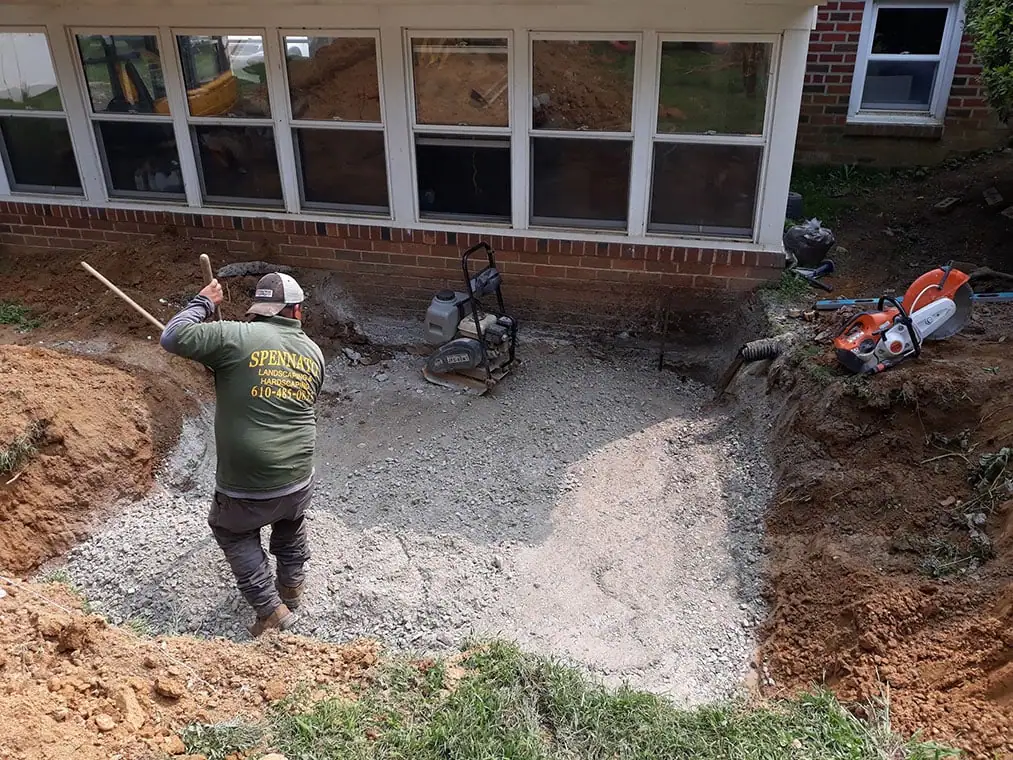
Once the plan is set, we schedule your project and you’ll know exactly when we’re coming and what to expect each day. The crew that shows up on day one is the crew that finishes the job. We excavate to the right depth for Delaware County’s freeze-thaw conditions, compact the aggregate base properly, set the slope for drainage, and lay the surface material. Nothing gets skipped because the base is where the patio either holds up or doesn’t.
Spring books fast in this area — homeowners who reach out in late winter are the ones getting their patio done before summer. If you’re thinking about it, sooner is better than waiting until everyone else has already called. After the job is done, the site gets cleaned up completely. Your yard should look better, not roughed up.
Ready to get started?
Whether you’re looking at a clean, simple paver patio or a flagstone surface with a low seating wall and a fire pit area, we handle the full scope. You don’t need to coordinate a separate masonry contractor for the wall and a separate patio contractor for the surface. One call covers it.
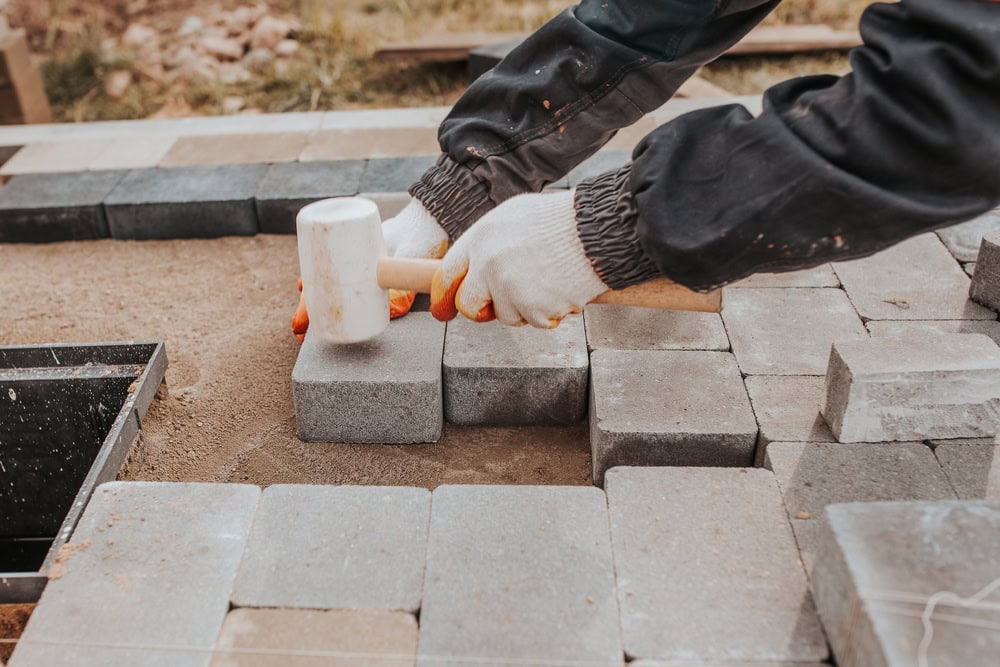
For homes in Colwyn, concrete pavers are often the strongest long-term choice. They’re designed to move as individual units through freeze-thaw cycles rather than cracking as a single slab — which is a meaningful advantage in a Pennsylvania winter. Natural flagstone and bluestone are excellent options for homeowners who want a more organic look, but they require precise base work on the kind of clay-heavy ground common to this part of Delaware County. Stamped concrete is another option worth discussing, though it carries more cracking risk in repeated freeze-thaw conditions than individual pavers do. We’ll give you the honest breakdown on each.
For compact lots — and most yards in Colwyn are compact — patio size and layout design matter as much as material choice. A 12×16 patio designed well for your specific yard will outperform a larger one that wasn’t thought through. We also handle the Colwyn Borough permit process where required, so you’re not left figuring that out on your own. From backyard patio ideas to full hardscape builds, the goal is the same: a finished product that holds up, drains correctly, and actually fits the space you have.

Yes, and it’s one of the most important things to get right before a single paver goes down. The soil throughout the Darby Creek and Cobbs Creek corridor — which runs directly through Colwyn — is heavily clay-dominant. Clay soil expands when it absorbs moisture and contracts when it dries out. That cycle puts constant pressure on whatever hardscape is sitting above it, and a patio that wasn’t built to account for that movement will heave, shift, and crack over time.
The fix isn’t complicated, but it does require doing the work correctly. Proper excavation depth, a well-compacted aggregate base, and a drainage slope that moves water away from the foundation are the three things that separate a patio that lasts from one that fails within a few seasons. Cutting any of those steps short is where most failed installations start. If a contractor isn’t talking to you about base depth and drainage before they start, that’s worth paying attention to.
Concrete pavers are generally the most reliable choice for Delaware County’s climate, and here’s why: they’re installed as individual units, which means they can shift slightly with freeze-thaw ground movement without cracking. A poured concrete slab is one solid piece — when the ground moves under it, the slab cracks. That’s a predictable outcome over enough winters in Colwyn and the surrounding area.
Natural flagstone and bluestone are beautiful and durable when installed correctly, but they require a very precise base on clay-heavy soil, which is what you’re dealing with in Colwyn. Stamped concrete is an option some homeowners like for the design flexibility, but it carries a higher crack risk in repeated freeze-thaw conditions than pavers do. The right answer for your specific yard depends on your priorities, your budget, and how the space is oriented — which is exactly what the initial consultation is for.
There’s no minimum size that makes a patio not worth doing. In a borough as dense as Colwyn — where most backyards are genuinely compact — some of the most useful patios we install are on the smaller side. A 10×12 or 12×16 patio designed with the right layout for your specific yard can completely change how you use your outdoor space. The goal isn’t square footage; it’s function.
What matters most in a smaller yard is that the design is intentional. Where does the sun hit? Where does water naturally flow? Is there room for furniture and still enough clearance to move around? Those questions shape the layout more than the size does. Small backyard patio ideas that actually work are about maximizing what you have, not approximating what a bigger yard would look like. That’s a design conversation worth having before you decide anything about materials or budget.
It depends on the scope of the project. In many Pennsylvania municipalities, a standard paver patio that sits at grade and isn’t attached to the home’s structure doesn’t require a permit. But Colwyn Borough has its own requirements, and those can vary based on project size, whether any grading is involved, and whether the patio connects to the home. The safest approach is to confirm with the Colwyn Borough office directly before work begins — or let us handle that conversation on your behalf.
We’re familiar with the permit process across Delaware County’s boroughs, including the inner-ring communities along the eastern edge of the county. If your project requires a permit, we’ll identify that early and take care of the submission so it doesn’t become something you’re chasing down on your own. The last thing you want is work stopped mid-project because the paperwork wasn’t sorted out first.
A standard patio installation — depending on size and materials — typically takes two to five days from excavation through final cleanup. Larger projects that include seating walls, steps, or additional hardscape elements will run longer, but we’ll give you a realistic timeline before the project starts, not an optimistic one that shifts on you mid-job.
Timing matters more than most people expect in this area. Spring is the busiest season for patio installation near Colwyn and across Delaware County, and quality contractors fill their schedules fast — often by late winter. Homeowners who reach out in January or February are choosing their project dates. Homeowners who wait until May are often looking at summer or early fall availability. Fall installation is completely viable and sometimes preferable — ground temperatures in August and September are actually ideal for paver work — but if spring is what you’re after, don’t wait to have the conversation.
Almost always, it comes down to the base. The surface — pavers, flagstone, stamped concrete — is what you see, but the aggregate base underneath is what determines whether the patio holds its position over time. A base that wasn’t excavated deep enough, wasn’t properly compacted, or wasn’t sloped correctly for drainage will let the surface above it shift, sink, and separate. In Delaware County’s clay-heavy soil, especially in the creek-corridor neighborhoods around Colwyn, that process happens faster than it would in better-draining ground.
The other factor is materials. Freeze-thaw rated pavers and properly graded base aggregate are specifically designed for Pennsylvania’s climate. Using materials that aren’t rated for repeated freeze-thaw cycles — or skipping the compaction step to save time — leads to a patio that looks fine in year one and becomes a problem by year three. The cost of tearing out a failed installation and starting over almost always exceeds what it would have cost to do it right the first time. That’s the math that makes base preparation worth understanding before you hire anyone.
Useful Links