
Hear from Our Customers
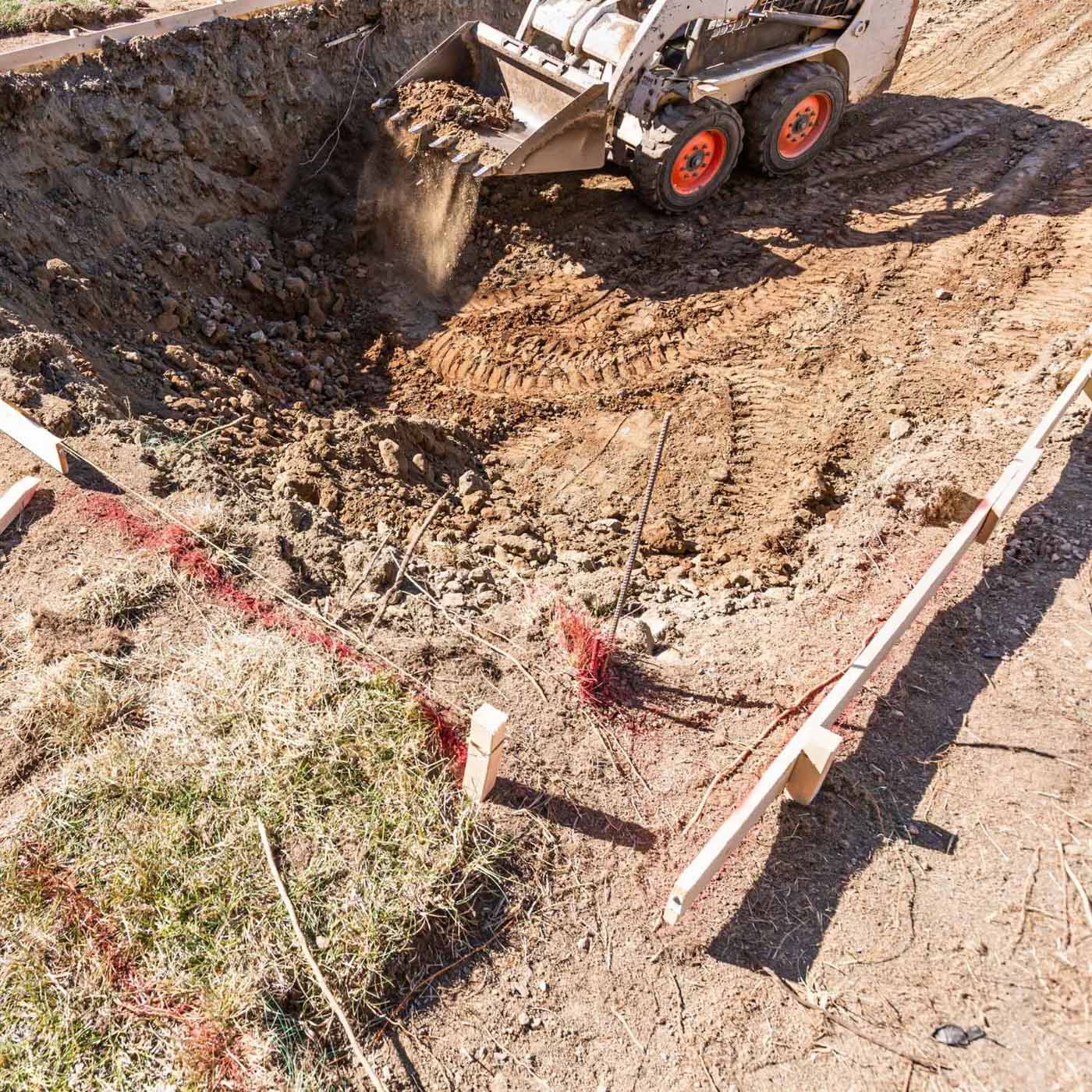
Most excavation problems in Morton don’t announce themselves right away. You notice the yard stays soggy after rain. You see the water line creeping toward the foundation wall. You watch the retaining wall lean a little more each spring. By the time it’s obvious, the damage is already done and fixing it costs significantly more than getting it right the first time.
Delaware County’s clay soil is the root of most of it. Clay holds water instead of draining it, swells when it saturates, and pushes against anything in its way foundations, walls, hardscape edges. On Morton’s small residential lots, where homes sit close together and runoff has nowhere to spread out, that pressure builds fast. Proper excavation and grading gives water a clear path away from your home, not toward it.
When the grade is set correctly and the site is prepared the right way, you stop managing the same problem every season. Your yard drains. Your foundation stays dry. And if you’re planning a patio, retaining wall, or any outdoor improvement, you’re starting on ground that was actually built for it not just leveled and left to settle.
We’re based in Aston, PA about 10 miles from Morton through the heart of Delaware County. Renato Spennato has been doing this work in these neighborhoods for over a decade, and he’s on the job, not just on the phone. That matters more than most people realize until something goes sideways on a project and there’s no one to call.
Morton’s housing stock is older, the lots are tight, and the soil doesn’t forgive shortcuts. Our team has worked in these conditions consistently navigating Morton Borough permit requirements, managing drainage on small lots where one property’s runoff becomes a neighbor’s problem, and handling the kind of precision work that dense residential blocks demand.
Our BuildZoom score of 102 puts us in the top 11% of over 125,000 licensed Pennsylvania contractors. That’s not a self-declared claim it’s independently verifiable. But more than the number, it reflects a track record of showing up, doing the work correctly, and leaving a job site better than we found it.

It starts with a site visit, not a phone estimate. Excavation and grading work in Morton requires actually looking at the lot the slope, the soil, where water currently moves, what’s adjacent to the work area. A number quoted over the phone without seeing the property isn’t worth much, and it’s usually how surprise charges show up later.
Once the scope is clear, permitting comes next. Morton Borough requires a permit before excavation begins, and for properties near the Springfield Township boundary which borders Morton on three sides Springfield’s Grading, Drainage and Erosion Control ordinance may also apply. We handle the permit process directly, so you’re not navigating two different municipal offices on your own. Pennsylvania’s 811 utility marking requirement is handled before any equipment touches the ground, without exception.
From there, the excavation and grading work proceeds with drainage as the primary focus not an afterthought. On Morton’s clay-heavy lots, the finished grade has to account for how water moves across the entire property, not just the area being worked. When the site work is done, if you’re moving into retaining walls, a patio, or any finished outdoor work, the same team handles it. There’s no handoff to a separate crew, no coordination gap, and no finger-pointing between trades when something doesn’t line up.

Ready to get started?
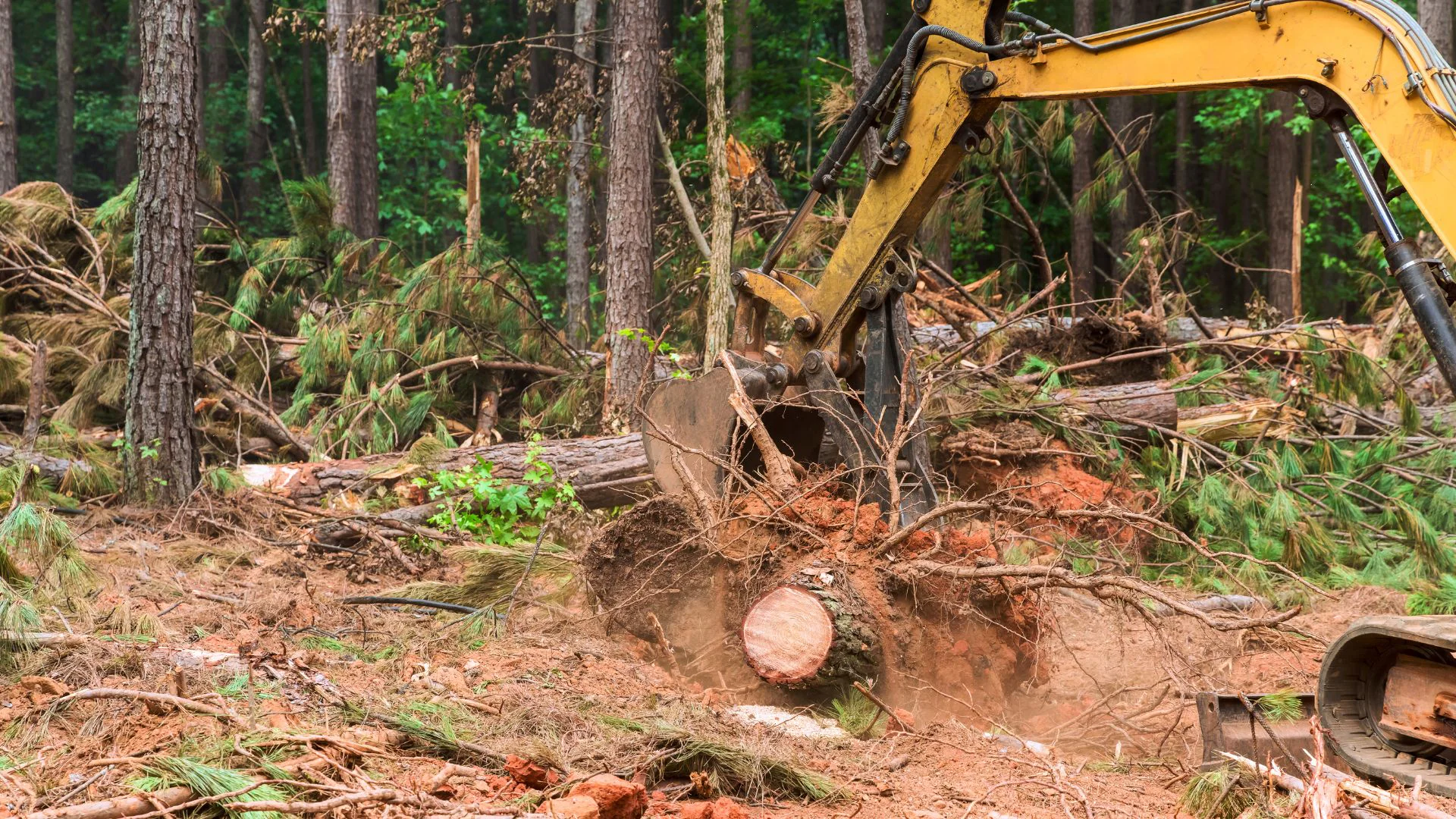
Our excavation and site preparation work in Morton covers the full range of what residential properties in Delaware County actually need. Land clearing and grubbing, foundation excavation, site grading, drainage correction, retaining wall excavation, and full site preparation for outdoor living projects all handled with equipment sized for residential lots, not commercial job sites where space isn’t a constraint.
What separates us from a standard excavation company is what comes after the dirt work. We continue through retaining walls, patios, outdoor kitchens, and finished landscaping all under one contractor. For Morton homeowners investing in their properties on lots where managing multiple crews in a tight space creates real problems, that continuity isn’t a convenience. It’s a practical advantage.
Excavation costs in Delaware County typically range from $1,658 to $6,709 for residential projects, with grading running $1,000 to $5,000 depending on lot size, slope, and soil conditions. The Philadelphia metro area carries a labor premium above rural Pennsylvania rates, and Morton’s clay soil can add complexity to drainage planning that affects scope. We provide written, itemized estimates that account for your specific site not a ballpark built on assumptions.
Yes and depending on where your property sits, you may need to deal with more than one jurisdiction. Morton Borough requires a permit before excavation or significant grading work begins within the borough. If your property is near the Springfield Township boundary which borders Morton on the north, east, and west Springfield’s Grading, Drainage and Erosion Control ordinance may also apply. That ordinance requires a permit before any filling, grading, or regrading of land within the township, and it specifies technical drainage standards that affect how the work is designed and executed.
On top of the municipal permits, Pennsylvania law requires calling 811 before any digging, regardless of project size. Utility lines must be marked before equipment touches the ground. Skipping this step isn’t just a legal risk it’s a safety one. We handle the permit coordination and 811 notification as part of the project process, so you’re not navigating the paperwork alone.
For most residential excavation projects in the Delaware County area, you’re looking at a range of roughly $1,658 to $6,709 depending on scope, with grading and leveling typically running $1,000 to $5,000 for a standard backyard. Foundation excavation for additions or new structures tends to run higher often $5,000 to $12,000. Hourly equipment and operator rates generally fall between $100 and $300 per hour in this region.
The Philadelphia metro area carries a labor premium above rural Pennsylvania rates, and Delaware County’s clay-heavy soil adds a layer of complexity to drainage planning that can affect overall scope. On Morton’s small residential lots, access constraints and the need for precision work near neighboring properties are also real cost factors. The most reliable way to get an accurate number for your specific project is a site visit not a phone estimate. We provide written, itemized estimates that reflect your actual lot conditions, not a generic range.
Clay soil is the defining ground condition across most of Delaware County, and Morton is no exception. The core problem with clay is that it drains slowly, holds moisture for extended periods, and expands as it saturates. That expansion creates hydrostatic pressure the kind that pushes against foundation walls, shifts retaining walls, and undermines hardscape over time. On a large lot with room to spread, this is manageable. On Morton’s dense residential blocks, where lots are small and homes sit close together, it concentrates quickly.
Proper excavation and grading in clay soil requires more than moving material to a finished elevation. The grade has to be engineered with drainage as the primary objective slopes that give water a clear path away from structures, not toward them. In some cases, that means incorporating French drains, swales, or other drainage infrastructure as part of the site preparation scope. Our approach to every Morton project starts with understanding how water currently moves across the property and designing the finished grade around that reality.
With us, yes and for Morton properties specifically, that matters. Most excavation-only contractors in the area handle the dirt work and then hand the project off. That means you’re coordinating a second contractor to come in after the first one leaves, managing scheduling on a tight lot where two separate crews working at different times creates real logistical friction, and dealing with the accountability gap that opens up when the grading contractor and the hardscape contractor each point at the other when something doesn’t line up.
Our team handles excavation, site grading, retaining walls, patios, outdoor kitchens, and finished landscaping under one roof. The same people who prepare the site build what goes on it. That continuity means the grade is set with the finished project in mind from day one not adjusted after the fact because the hardscape contractor found something the excavation crew didn’t account for. For homeowners in Morton investing in their properties on small lots, it’s a straightforward advantage.
Spring and fall are the most practical windows for excavation and grading work in the Delaware County area, and each has a different logic. Spring is peak demand season homeowners who watched their yards flood or their foundations weep through winter are motivated to act, and contractor schedules fill up fast. If you’re planning a spring project in Morton, getting on the schedule early makes a real difference.
Fall is often the smarter window if you have flexibility. Projects completed before the ground freezes have time to settle and compact before spring rains test the drainage system which is exactly when you want to know the grade is working. Delaware County receives around 45 to 47 inches of precipitation annually, spread fairly evenly across seasons, so drainage isn’t just a spring concern. Getting the grading right before winter also means your foundation goes into the freeze-thaw cycle with proper water management already in place, rather than absorbing moisture through the cold months. Fall schedules also tend to be more open, which means better availability and more flexibility on timing.
The signs are usually consistent: water pools in the yard after moderate rain and takes more than a day or two to absorb, the soil near your foundation stays damp when it should be dry, you see erosion channels forming in the lawn, or your basement shows moisture intrusion that correlates with rainfall. On Morton’s small, clay-heavy lots where homes are closely spaced and runoff from neighboring properties can compound your own drainage load these problems tend to get worse over time, not better.
The underlying issue in most cases is grade. Either the lot was never graded with drainage in mind, the grade has shifted over decades of soil movement and tree root activity, or adjacent development has changed how water flows across the block. Morton’s housing stock includes homes approaching 100 years old or more, and original drainage assumptions rarely account for how the neighborhood has changed around them. A site evaluation will tell you whether the issue is a grading correction, a drainage infrastructure addition like a French drain or swale, or both. We assess the full picture before recommending scope because the fix needs to match the actual problem, not just the most visible symptom.
Useful Links