

Hear from Our Customers
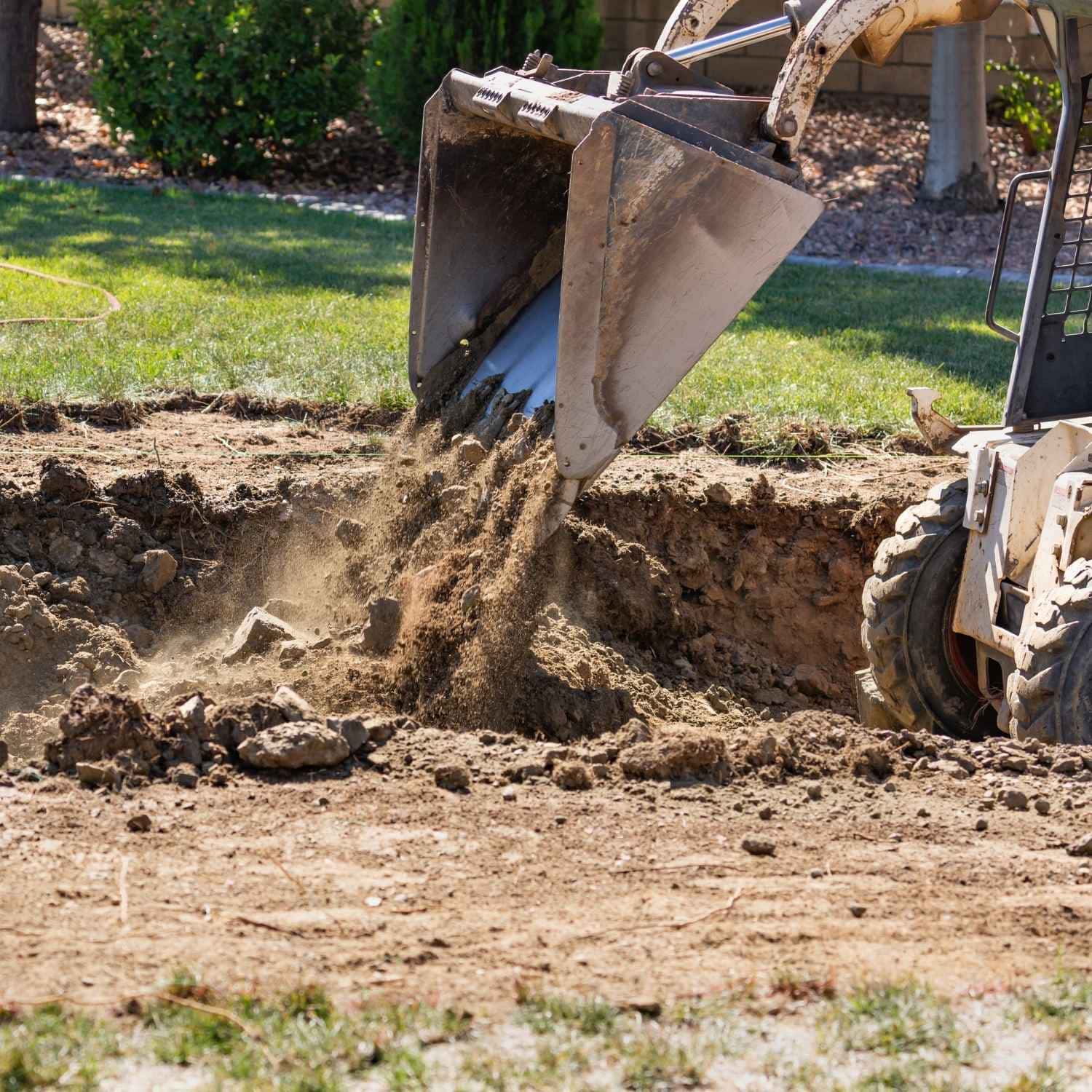
Saint Davids has a documented stormwater problem. Radnor Township’s own Engineering Department has identified active flooding along St. Davids Avenue and Midland Avenue caused by Ithan Creek overflowing during heavy rain events. The township has ongoing construction projects trying to address it at the infrastructure level. But what happens on your property is your responsibility. If the grade isn’t right, water finds your foundation. And on a property worth what yours is worth, that’s not a minor inconvenience.
Properly executed excavation and grading means water moves away from your home, not toward it. It means the patio, retaining wall, or outdoor space built on top of that grade actually performs the way it should through freeze-thaw cycles, spring rains, and the kind of heavy precipitation that overwhelms Ithan Creek every few years. The clay-heavy soils throughout Radnor Township don’t drain the way sandy soils do they compact unevenly, hold water longer, and require real attention to slope and drainage planning before a single block gets laid.
The other thing proper excavation protects is your timeline and your wallet. When the site prep is done right the first time with the correct grade, the right compaction, and drainage built into the plan you don’t end up with a sunken patio two winters later or a retaining wall that’s shifting because the base wasn’t prepared for local soil conditions. That’s the outcome worth paying for.
We’re based in Aston, PA Delaware County and have been doing site work, masonry, and outdoor builds across the county for over 15 years. The company is owner-operated by Renato Spennato, which means when something matters on your Saint Davids project, there’s a real person accountable for it not a dispatcher.
Out of more than 125,000 licensed Pennsylvania contractors, we hold a BuildZoom score of 102, placing us in the top 11% statewide. That’s not a self-reported number it’s independently verified. For Saint Davids homeowners who are accustomed to vetting professionals carefully before making decisions, it’s the kind of credential that holds up when you actually look it up.
Working in Radnor Township means knowing Radnor Township the grading permit requirements, the stormwater management ordinance, the Chapter 175 rules that govern excavation and fill work here. That’s not something we learn on someone else’s project. It’s built from years of pulling permits, working with the Township Engineer’s office, and delivering finished work that passes inspection on Saint Davids properties.
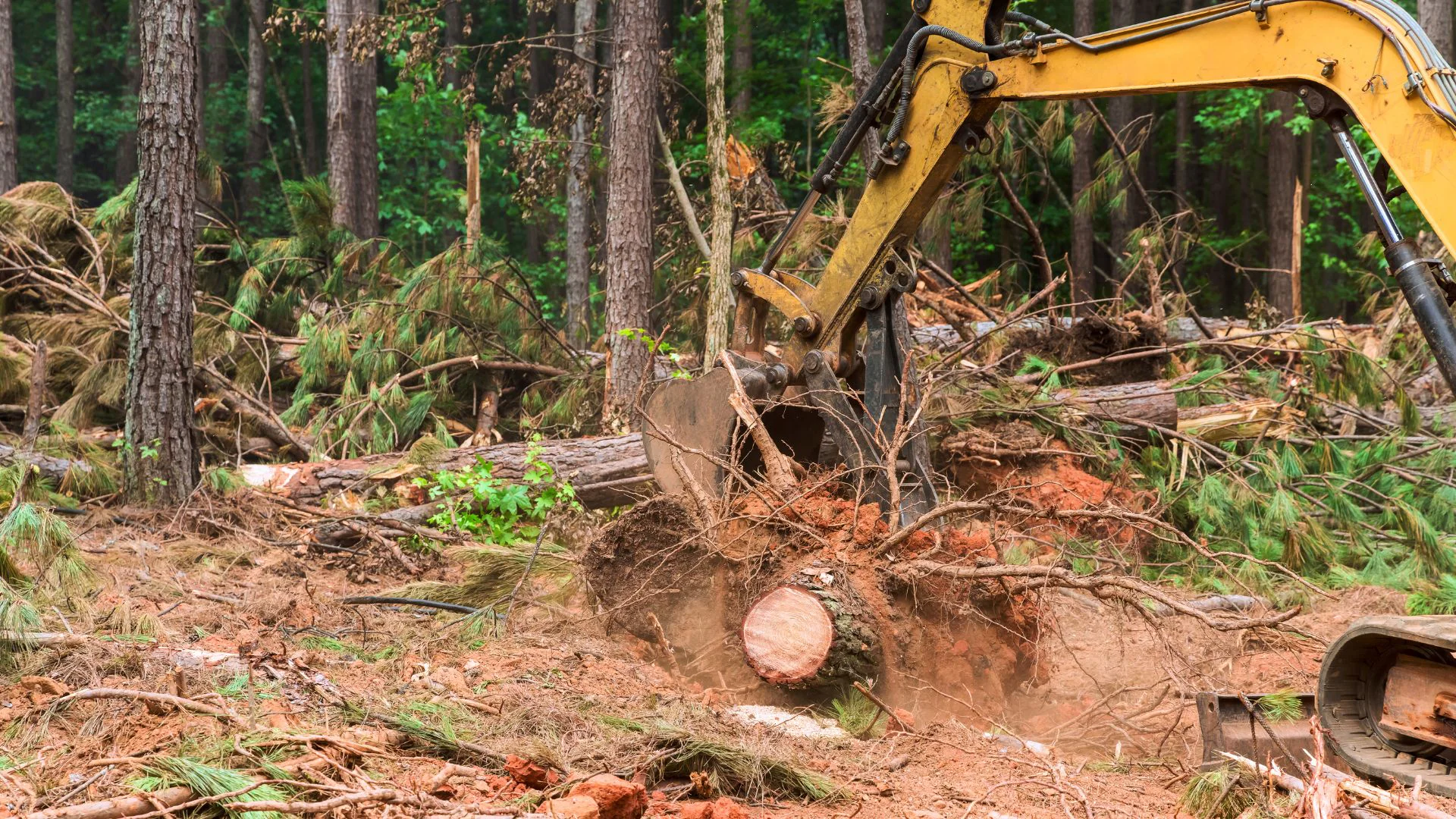
It starts with a site visit. Before any equipment shows up, we evaluate the lot existing grade, drainage patterns, soil conditions, proximity to mature trees or stone features, and what the finished project actually needs to perform correctly. Saint Davids properties often have established landscaping, older infrastructure, and tight lot configurations that require real assessment before excavation begins. That evaluation shapes everything that follows.
From there, permitting gets handled. In Radnor Township, any project that expands or replaces impervious surface over 499 square feet requires a grading permit through the Township Engineer’s office a $1,500 process that includes a Professional Services Agreement deposit and ongoing review requirements. If a stormwater management permit is also required, we address that at the same stage. You shouldn’t have to figure out which forms go where or which department handles what. That’s part of the job.
Once permits are in place, excavation and grading proceed with the finished project in mind not just the hole that needs to be dug. Drainage is planned into the grade, not retrofitted after the fact. Compaction is done to spec for local soil conditions. And because we handle the full project from site prep through masonry and finished outdoor living work the crew grading your yard is the same crew building on top of it. There’s no handoff, no finger-pointing between trades, and no second mobilization because someone didn’t account for the finished elevation.
Ready to get started?
The excavation work we do in Saint Davids isn’t isolated site prep it’s the foundation for whatever gets built on top of it. That includes patios, retaining walls, outdoor kitchens, drainage systems, and full outdoor living spaces. Every scope of work is planned with the finished result in mind, which changes how the excavation itself gets executed.
For properties in Saint Davids specifically, that means accounting for a few things that don’t come up everywhere. The mature trees throughout neighborhoods like Brookside Circle require careful equipment routing and excavation boundaries that protect established root systems. Older homes many built in architectural styles that reflect the area’s Welsh colonial heritage often have existing drainage infrastructure that predates modern standards and needs to be assessed before grading begins. And Radnor Township’s impervious surface rules mean every project has to be designed with compliance built in from the start, not addressed after the township sends a notice.
The full-service model matters here because Saint Davids homeowners aren’t looking to coordinate three separate contractors across a single project. You want one team that understands the whole scope from the grade to the finished stone and can be held accountable for all of it. That’s what we deliver, and it’s what separates this work from a contractor who digs and moves on.

Yes and it’s more involved than most homeowners expect. Radnor Township requires a grading permit for any project that expands or replaces impervious surface over 499 square feet. That threshold covers most patios, driveways, and any significant grading work associated with them. The permit process runs through the Township Engineer’s office and involves a $1,500 fee structure a $50 application fee plus a $1,450 Professional Services Agreement deposit with additional costs if the review and inspection work exceeds that deposit balance.
Separate from the grading permit, Radnor Township may also require a stormwater management permit depending on the scope of your project. The township’s stormwater ordinance requires that regulated activities be designed, implemented, and maintained to meet specific water quality and quantity standards. We handle both permits and in the right order before any equipment arrives on your property. You shouldn’t have to navigate that process yourself.
Excavation cost in Saint Davids and the broader Radnor Township area varies based on scope, site conditions, and what’s being built on top of the excavated area. For a standard residential patio or retaining wall project, site preparation and excavation typically runs anywhere from $1,500 to $6,000 or more depending on the size of the area, how much material needs to be removed, and whether drainage infrastructure is being installed at the same time.
A few factors specific to this area affect cost. The clay-heavy soils throughout Delaware County are harder to excavate and compact than sandy or loamy soils, which affects both labor time and equipment requirements. Mature trees and established landscaping common throughout Saint Davids neighborhoods can require more careful equipment work and hand digging near root zones. And Radnor Township’s permitting fees add a baseline cost of $1,500 that applies to most projects over the 499 square foot impervious surface threshold. The most accurate way to understand what your specific project will cost is a site visit, where all of these variables can be assessed directly.
Excavation is the process of removing material soil, rock, debris to get a site to the right depth for whatever’s being built. Grading is the process of shaping and sloping the remaining surface so water drains correctly and the finished project sits on a stable, properly pitched base. In most residential projects, you need both, and the order matters: you excavate to the right depth first, then grade the surface to the right slope before any base material or finished work goes in.
For properties in Saint Davids, grading is especially important because of the local stormwater context. Radnor Township has documented flooding issues in the South Wayne and Saint Davids area Ithan Creek regularly overflows along St. Davids Avenue and Midland Avenue during heavy rain events. A properly graded yard or project surface moves water away from your foundation and toward appropriate drainage points. A poorly graded surface, even on an otherwise well-built project, becomes a drainage liability that gets worse every winter. Getting both the excavation depth and the finished grade right is what determines whether your outdoor project holds up long-term.
Radnor Township requires a grading permit any time you’re adding or replacing impervious surface meaning any surface that doesn’t allow water to pass through, like concrete, pavers, or compacted gravel that covers more than 499 square feet. For most patios, driveways, or walkway projects, you’ll cross that threshold. The permit triggers a formal review process through the Township Engineer’s office, and your project design needs to demonstrate that stormwater runoff is being managed appropriately.
In practical terms, this means your project has to be designed with drainage in mind from the beginning not treated as an afterthought once the township flags a concern. Radnor Township’s stormwater management ordinance also encourages infiltration best management practices where soil conditions allow, though the clay-heavy soils common throughout this area don’t always support full infiltration solutions. We design projects to meet the ordinance from the start, which keeps your timeline on track and avoids the kind of stop-work situations that come from submitting incomplete or non-compliant plans.
Spring and fall are generally the best windows for excavation and grading work in Saint Davids and the broader Radnor Township area. Spring particularly April through early June is peak season for a reason: the ground has thawed, conditions are workable, and homeowners want projects completed before summer. That said, spring is also when Ithan Creek is most likely to overflow and when the area sees the heaviest rain, so drainage planning during spring excavation is especially important.
Fall September through November offers good working conditions and is an ideal time to complete grading and site preparation for projects that will be finished in spring. Some homeowners use the fall window to get the excavation and base work done so the finished project can move quickly once weather permits. Winter excavation is possible but significantly more expensive and difficult due to frozen ground, and freeze-thaw cycles in Delaware County can complicate compaction work. If you’re planning a project for next year, initiating the process in fall including permitting puts you in a much better position than waiting until March when every contractor’s schedule is already filling up.
Yes and for most Saint Davids homeowners, that’s the part that matters most. We handle excavation, grading, retaining walls, patios, and complete outdoor living spaces with the same team from start to finish. There’s no handoff between an excavation subcontractor and a masonry crew, no coordination gap where the grade doesn’t match what the finished project needs, and no second mobilization because the first crew left the site in a condition the next crew can’t work with.
On a property in Saint Davids where median home values sit around $2.2 million and the outdoor space is a meaningful part of that investment contractor coordination failures aren’t just frustrating. They’re expensive. When one team is accountable for the full scope, the excavation is planned with the finished elevation in mind, the drainage is integrated into the grade rather than added after, and the finished project performs the way it was designed to. That continuity is what you’re actually paying for when you hire a contractor who can take a project from raw ground to finished stone without passing the baton.
Useful Links
Other Services we provide in Saint Davids