
Hear from Our Customers

A cracked, deteriorating driveway doesn’t just look bad it actively works against the value of your home. Marple Township had a median home list price around $550,000 in late 2024. A professionally paved driveway can increase a home’s perceived value by up to 10% and helps homes sell faster. That’s not cosmetic. That’s financial.
Most of the housing stock in Marple the split-levels in Lawrence Park, the colonials in Marple Old Estates, the ranches tucked off Sproul Road was built in the 1950s through 1970s. Driveways from that era, or even ones installed in the 1990s, are well past their functional lifespan. An asphalt driveway properly maintained lasts 15 to 20 years. Without maintenance, expect closer to 8 to 12. If yours has been there since the Clinton administration, the math isn’t in your favor.
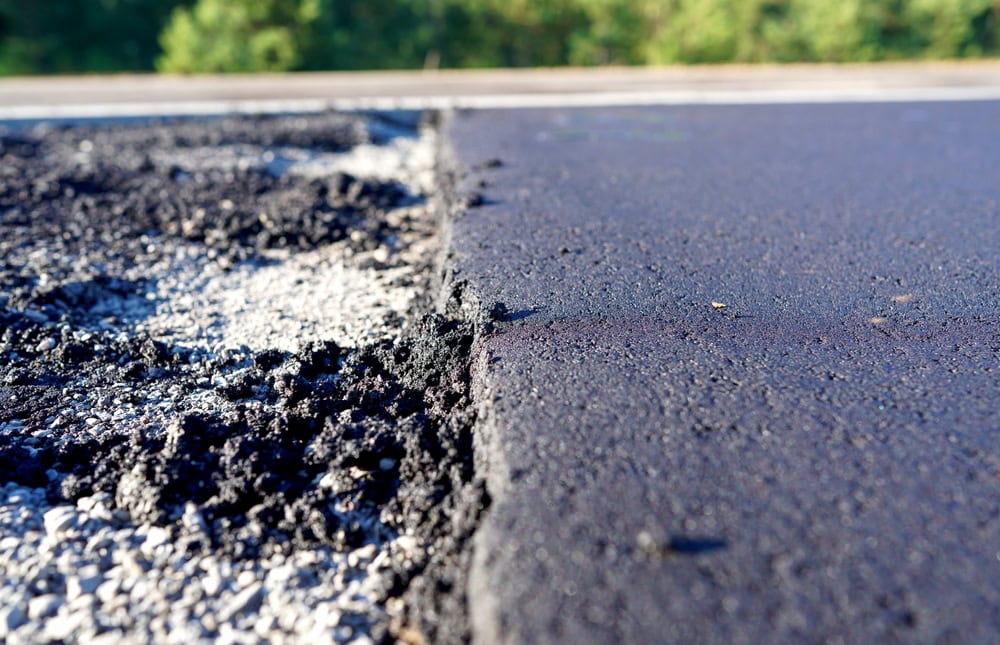
What makes Delaware County specifically hard on pavement is the freeze-thaw cycle. Southeastern Pennsylvania sees 25 to 35 of them every winter. Water gets into a surface crack, freezes, expands by about 9%, then thaws leaving the crack a little wider than before. Repeat that 30 times in a single season and a hairline crack becomes a structural problem. A proper installation with the right subbase depth, adequate asphalt thickness, and drainage grading that moves water off the surface not into it is what separates a driveway that lasts from one that doesn’t.
We’re based in Aston, PA right here in Delaware County, about 15 miles down I-476 from Marple Township. This isn’t a regional chain dispatching crews from three counties over. We’re a local operation that knows the roads, the neighborhoods, and the properties that make up this part of the county. We’ve worked on driveways in Lawrence Park, Marple Old Estates, and throughout Sproul Road’s residential corridors.
Our work covers the full scope of what a Marple Township property might need driveway installation, sealcoating, patios, retaining walls, walkways, and landscaping. That breadth matters, because we’re invested in multiple aspects of your property and have every reason to do each piece right. There’s no handing off to subcontractors and no disappearing act once the check clears.
What you’ll notice most is that our communication doesn’t stop after the estimate. You get a clear timeline, a written scope of work, and a crew that shows up when we said we would because your driveway connects to Sproul Road, and you’ve got places to be.
It starts with an on-site assessment. Before anything gets quoted, we look at the driveway not just the surface, but the edges, the drainage pattern, the condition of the base, and what’s happening near the garage apron where frost heave tends to show up first in older Marple Township properties. That assessment determines whether you actually need a full replacement, a mill and overlay, or whether crack filling and sealcoating will extend the life of what you have. You won’t be pushed toward the most expensive option if it’s not what the driveway needs.
Once the scope is agreed on and the written estimate is signed, scheduling is straightforward. Asphalt paving requires air and ground temperatures above 50°F to compact and cure properly, which in Delaware County means the primary windows are spring roughly March through May and fall, from September through November. If you’re booking in the fall, that timing also works in your favor: sealcoating applied before the first hard freeze protects the surface through the entire winter rather than leaving it exposed to another full season of freeze-thaw damage.
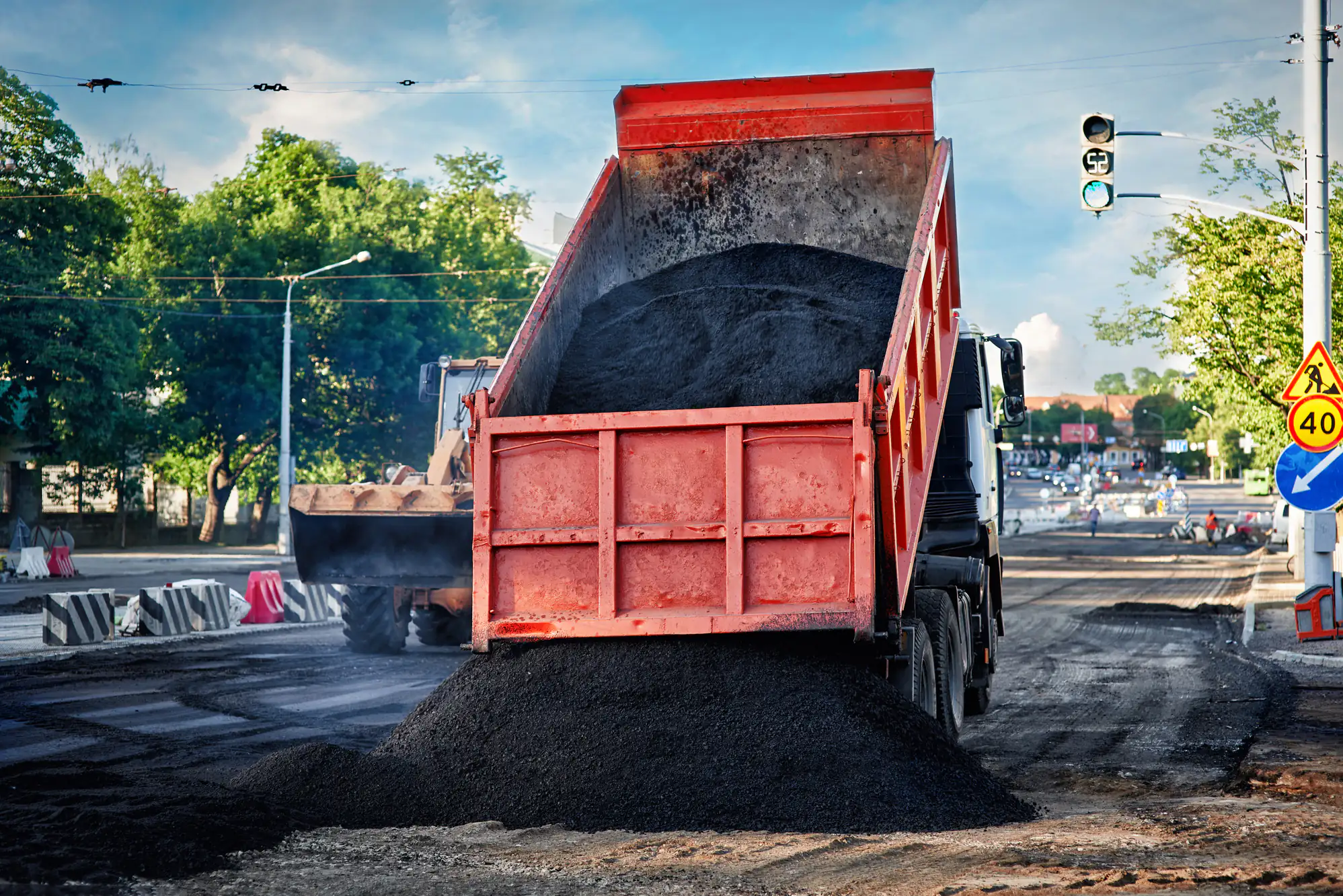
On installation day, the process moves in a clear sequence existing surface removal if needed, subbase grading and compaction, asphalt laying, compaction rolling, and cleanup. Most residential driveways in Marple Township are completed in a single day. You’ll know when to stay off the surface, when it’s ready for light use, and when full curing is complete. No guessing, no chasing us down for an update.
Ready to get started?
A new asphalt driveway installation in Marple Township typically runs between $3,000 and $7,000 depending on size, existing surface conditions, and whether drainage corrections are needed. That range reflects real Delaware County pricing not a national average that doesn’t account for local labor and material costs. Cost per square foot generally falls between $7 and $15 installed. For a 400-square-foot driveway, you’re typically looking at $1,200 to $4,200 depending on the scope.
Sealcoating is a separate service and one of the highest-return maintenance decisions you can make. Done on a two-to-three year cycle, it costs roughly $100 to $200 per application and creates a protective barrier against the road salt runoff that comes off Route 3 and Route 320 all winter long. Salt and deicing chemicals accelerate asphalt oxidation the process that turns a driveway gray and brittle before its time. One thing worth knowing: sealcoating doesn’t fix cracks. Any existing cracks need to be filled before the sealer goes down, or you’re just sealing the problem in.
Marple Township participates in Delaware County’s MS4 stormwater management program, which means impervious surface drainage is a real consideration for any new driveway installation. Every job we do includes proper drainage grading as a standard part of the process directing water away from your foundation and toward appropriate drainage paths, not pooling it at the base of your garage. That’s not an add-on. It’s how the job should be done.
For most residential properties in Marple Township, a full asphalt driveway installation runs between $3,000 and $7,000. The range is wide because a lot of variables affect the final number the size of the driveway, whether the existing surface needs to be removed, the condition of the base underneath, and whether any drainage corrections are needed. Cost per square foot typically falls between $7 and $15 installed.
What tends to push the cost higher in Marple specifically is the age of the housing stock. Many of the homes in neighborhoods like Lawrence Park and Marple Old Estates were built in the 1950s and 1960s, and the driveways serving them have often had multiple layers of patching over the decades. When the base is compromised which happens after years of freeze-thaw stress a proper installation means addressing the subbase, not just the surface. Cutting that step out saves money upfront and costs significantly more later.
That depends on what’s actually going on underneath the surface, not just what you can see from the top. Sealcoating is a protective coating it slows oxidation, repels water, and protects against chemical exposure from road salt. It does not add structural integrity. If your driveway has surface-level fading, minor cracking, or early signs of wear, sealcoating every two to three years is the right call and one of the most cost-effective maintenance moves available.
If you’re seeing alligator cracking that web-like pattern that looks like broken pavement or sections that are sinking, heaving, or crumbling at the edges, those are signs that the base has failed. At that point, sealcoating is cosmetic at best. A mill and overlay or full replacement is what the driveway actually needs. In Marple Township, where many driveways are 25 to 40 years old and have been through hundreds of freeze-thaw cycles, base failure is more common than homeowners expect. The honest answer is that you need someone to look at it before you can know which direction makes sense.
Asphalt needs air and surface temperatures above 50°F to compact and cure properly. In Delaware County, that creates two reliable windows: spring, from roughly late March through May, and fall, from September through early November. Both are good. The fall window has a specific advantage if you pave or sealcoat before the first hard freeze, you’re protecting the surface through the entire winter rather than leaving it exposed to another full season of freeze-thaw cycling.
Southeastern Pennsylvania sees 25 to 35 freeze-thaw cycles per winter. Each one works water into existing micro-cracks, freezes it, expands it, and leaves the crack slightly larger on the thaw. A driveway that goes into winter without a sealed surface is a driveway that comes out of winter in worse shape than it went in. The practical takeaway: don’t wait until spring to book if you’re noticing cracks in September. The fall window closes faster than most homeowners expect, and contractors in Delaware County book up quickly once the weather cooperates.
Permit requirements for driveway work in Marple Township depend on the scope of the project. New installations and significant expansions of impervious surface typically require a building or grading permit from the township’s code enforcement office. Marple Township’s Public Works department is located at 227 S. Sproul Road in Broomall, and they can confirm current permit requirements for your specific project before work begins.
What’s worth knowing regardless of permit status is that Pennsylvania’s Home Improvement Consumer Protection Act requires any contractor performing $5,000 or more in annual residential work to be registered with the PA Attorney General’s Office, carry minimum insurance, and use a written contract with specific consumer protections built in. You can verify a contractor’s registration on the AG’s website before signing anything. This matters in Marple Township specifically because the BBB has issued formal scam alerts about unregistered paving contractors who target affluent suburban communities with unsolicited door-knock offers. If a contractor you didn’t contact shows up at your door with a discounted paving deal, ask for their HIC registration number. A legitimate contractor will have it.
A properly installed asphalt driveway with the right subbase depth, adequate asphalt thickness, and correct drainage grading lasts 15 to 20 years in Pennsylvania. Without consistent maintenance, that number drops to 8 to 12. The difference between those two outcomes is mostly sealcoating.
Delaware County’s climate is particularly hard on unsealed asphalt. The combination of 25 to 35 freeze-thaw cycles per winter, road salt runoff from heavily treated roads like Route 3 and Route 320, and summer heat that softens the binder creates a degradation pattern that accelerates quickly once the surface oxidizes and loses its flexibility. A driveway that’s sealcoated on a two-to-three year schedule from the first year of installation holds up significantly longer than one that’s left unprotected. The annual cost of sealcoating roughly $100 to $200 per application is a fraction of the $3,000 to $7,000 replacement cost. For a Marple Township homeowner with a home in the $500,000 range, it’s one of the better maintenance investments on the property.
Start with verification, not price. Pennsylvania’s Home Improvement Consumer Protection Act requires contractors doing residential work above $5,000 annually to register with the PA Attorney General’s Office. That registration is searchable online. A contractor who can’t provide their HIC registration number before you sign anything is a contractor worth walking away from regardless of how competitive their quote looks.
Beyond registration, look for a business with a verifiable local address, real reviews on third-party platforms, and a written estimate that itemizes the scope of work rather than just a total number. In Marple Township and the surrounding area, the most common complaint pattern in the paving category isn’t bad work it’s contractors who become unreachable after the job is done. A company with a physical presence in Delaware County, a named person behind the business, and a track record of completed projects in the area is a different proposition than a seasonal crew that rolls through the neighborhood once a year. The goal is to find someone who’ll still answer the phone two winters from now if something needs attention.
Useful Links