
Hear from Our Customers
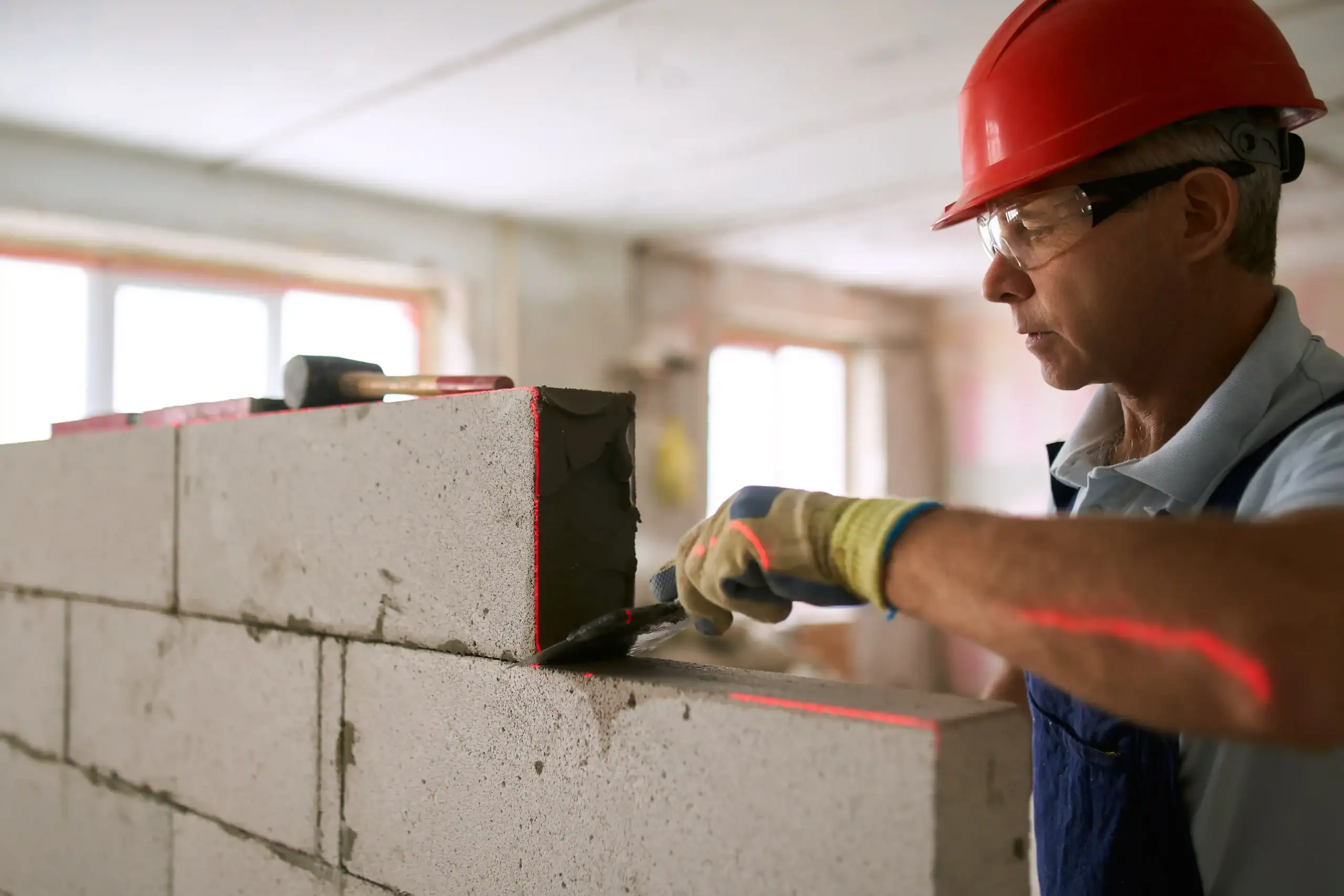
Most masonry problems in Clifton Heights don’t start with a dramatic failure. They start with a hairline crack in a mortar joint, a step that’s settled a little too far, or a retaining wall that’s barely noticeable until it isn’t. By the time it’s obvious, the damage has already been compounding through several winters.
Delaware County averages around 90 freeze-thaw cycles a year. For a borough where most homes were built between 1900 and 1960 many of them brick rowhomes that have been through a century of Pennsylvania winters that number isn’t abstract. It’s the reason your front stoop looks the way it does right now. Water gets into compromised mortar joints, freezes, expands, and does a little more damage every single cycle.
When we do masonry work correctly proper base depth, the right materials for freeze-thaw exposure, drainage built in from the start that cycle stops working against you. Your steps stay level. Your retaining wall doesn’t lean. Your patio doesn’t heave after the first hard frost. And in Clifton Heights, where your front facade is visible to every neighbor and every passerby on the block, that difference shows.
We’ve been working in Delaware County for over 15 years not passing through, but actually working here in Clifton Heights and the surrounding area, on properties like yours, in conditions like yours, with a full understanding of what the local soil, climate, and aging housing stock actually demand from a masonry job.
Our work covers the full range: stone patios, brick walkways, retaining walls, concrete work, outdoor fireplace features, concrete curbing, decorative gravel, and masonry repair from cracked mortar joints to full stoop restoration. One experienced crew handles your project from site prep through final cleanup. No subcontractors showing up unannounced, no communication gaps, no one pointing fingers at the other crew when something isn’t right.
Clifton Heights is a small borough. Word travels. That’s exactly why every project gets a written timeline upfront, a named point of contact throughout, and a 24 to 48-hour callback guarantee on quote requests. Accountability isn’t a selling point here it’s just how we work.
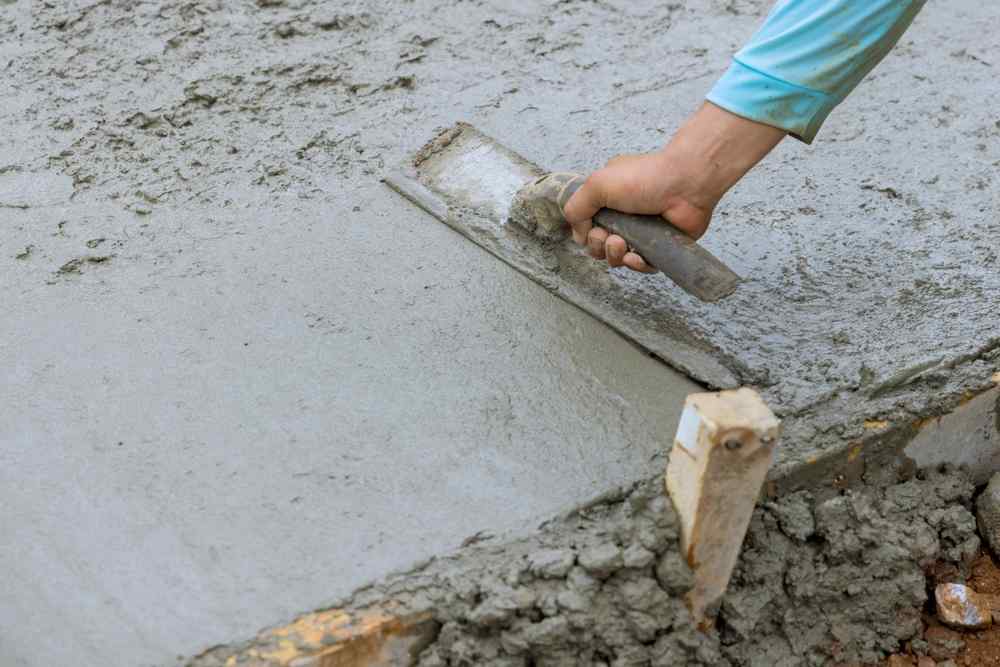
It starts with a quote request. Within 24 to 48 hours, someone gets back to you not a form response, an actual conversation about what you’re dealing with and what makes sense for your property. From there, a site visit gives our crew a clear picture of your lot, your grade, your drainage situation, and the condition of any existing masonry.
Before work begins, we handle the permit side. The Borough of Clifton Heights requires a valid PA Home Improvement Contractor registration number and proof of insurance for any contractor pulling building permits and permits are required for new patios, concrete work, and retaining walls that meet certain height thresholds. That’s not a formality. A contractor who skips the permit process leaves the legal and financial exposure on you, including complications when you go to sell the property. We’re fully registered and insured, so that piece is handled before anyone picks up a shovel.
Once work starts, your crew stays consistent through completion. The same people who prep the base are the same people laying the stone and cleaning up when they leave. You get a written timeline in your proposal so you know exactly when your yard will be back to normal not a vague “a few weeks” that stretches into months.
Ready to get started?
Clifton Heights isn’t a sprawling suburban neighborhood with wide lots and new construction. It’s a dense, brick-heavy borough where most properties are attached rowhomes on compact lots and the masonry work here has to account for that. Small rear yards that need to function as actual outdoor living space. Front stoops and facades that are fully visible to the street. Retaining walls on sloped lots near the Darby Creek corridor where drainage can’t be an afterthought.
Our masonry services cover everything a Clifton Heights property typically needs: stone and concrete patio installation, brick walkways, retaining wall construction and repair, outdoor fireplace features, concrete curbing that defines bed edges cleanly on tight lots, decorative gravel installations that reduce maintenance where grass struggles, and masonry repair across the board repointing deteriorated mortar joints, resetting loose or settled bricks and stones, and restoring front stoops and steps that have been through too many freeze-thaw cycles.
For repair work specifically, the materials matter as much as the labor. Mortar has to be matched to the existing brick in both composition and color especially on century-old rowhome facades in Clifton Heights where a mismatched repair stands out to every neighbor who walks by. We select materials with water absorption rates suited for Delaware County’s freeze-thaw exposure, which is what separates a repair that holds for 30 years from one that needs redoing after three winters.
Yes, in most cases. The Borough of Clifton Heights requires building permits for new paving, concrete, patios, and retaining walls that meet certain size or height thresholds. Any contractor applying for a permit in Clifton Heights also has to provide a valid PA Home Improvement Contractor registration number and a certificate of insurance that’s a borough-specific requirement, not just a state formality.
This matters more than most Clifton Heights homeowners realize. Unpermitted work can create real problems when you go to sell your home, and if a code enforcement issue comes up, the liability lands on you not the contractor who skipped the paperwork. We’re fully registered and insured, handle the permit process as part of every applicable project, and won’t put you in a position where you’re dealing with those consequences after the fact.
The honest answer is that it depends on how far the deterioration has gone and in Clifton Heights, where a lot of the housing stock is 80 to 130 years old, that varies a lot from property to property. Repointing works when the brick itself is still structurally sound and the mortar joints are the primary issue. You’ll typically see crumbling, recessed, or missing mortar, sometimes with visible gaps where water can get in.
Full replacement becomes the conversation when the brick faces are spalling that’s when the surface layer of the brick starts flaking off after repeated freeze-thaw cycles or when the structural integrity of the wall, step, or stoop is compromised. The site visit is where that gets sorted out. A clear assessment of what you’re actually dealing with is part of our process before any proposal goes out, so you’re not paying for more than the situation requires.
The short answer is water and time. Delaware County averages around 90 freeze-thaw cycles a year, and for brick masonry especially mortar joints that were laid a century ago that’s a relentless cycle of expansion and contraction. Water infiltrates through small cracks or deteriorated mortar, freezes, expands, and pushes the surrounding material apart. Do that 90 times a year for several decades and you end up with what most Clifton Heights homeowners are looking at on their front stoops right now.
The other factor is base preparation, which is invisible once the work is done but determines how long everything holds up. Steps and stoops that weren’t built on a properly compacted, adequately deep base will settle and crack over time regardless of how good the surface material is. When we do repair or replacement work on steps and stoops, the base gets evaluated and addressed not just the visible surface because fixing the symptom without fixing the cause just means you’re having the same conversation again in five years.
It depends on what you’re dealing with and what the scope actually is, but here are some honest reference points. Basic repointing on a section of a rowhome facade or stoop might run a few hundred dollars for a small area, while a full stoop restoration on a century-old Clifton Heights rowhome can run $2,000 to $6,000 or more depending on size, material, and base condition. A new stone or concrete patio in a compact rear yard typically falls somewhere in the $5,000 to $15,000 range depending on size, material selection, and drainage requirements. Retaining walls vary significantly based on height, length, and the drainage complexity of the lot.
What drives cost more than anything else is the base work and drainage the parts you can’t see after the job is done. A contractor who comes in significantly cheaper than everyone else is usually cutting corners on exactly those things, and in a freeze-thaw climate like Delaware County’s, that’s where failures start. Every proposal we write is detailed so you understand what you’re paying for and why.
Project timelines vary by scope. A focused repair job repointing a section of mortar joints or resetting a few loose steps might take a day or two. A full patio installation or retaining wall build on a Clifton Heights lot typically runs three to five days for the hands-on work, though the overall timeline from start to finish includes material lead times and cure periods that can extend the calendar a bit.
Spring is the busiest season by a wide margin. After winter, Clifton Heights homeowners are assessing the freeze-thaw damage and calling contractors and reputable masonry contractors in Delaware County typically book two to three months out for prime spring slots by late winter. If you’re thinking about a spring project, the time to reach out is January or February, not April. Fall is the secondary peak, and it’s a good window for getting work done before the ground freezes. Every proposal we provide includes a written project timeline so you know exactly when work starts and when your property will be back to normal.
Clifton Heights has more topographic variation than people expect from a borough this size. The elevated area around Tin Kettle Hill on Oak Avenue drops toward the Darby Creek corridor on the western edge of the borough, and properties on sloped lots especially those near the creek deal with drainage pressure that flat-lot properties don’t. Add Delaware County’s clay-heavy soil composition, which holds water instead of draining it, and a retaining wall that doesn’t account for subsurface drainage is already failing before it’s finished.
A properly built retaining wall in this environment needs drainage integrated from the start gravel backfill, drainage pipe at the base, and weep holes in the wall face to relieve hydrostatic pressure. These aren’t optional upgrades; they’re what determines whether your wall is still standing in 20 years or starting to lean and separate after five. For walls above four feet, the Borough of Clifton Heights also requires a permit and, for major grading changes, a drainage plan from a licensed professional. We design retaining walls with drainage built in as a standard part of our process, not something added on after the fact.
Useful Links
Other Services we provide in Clifton Heights