
Hear from Our Customers
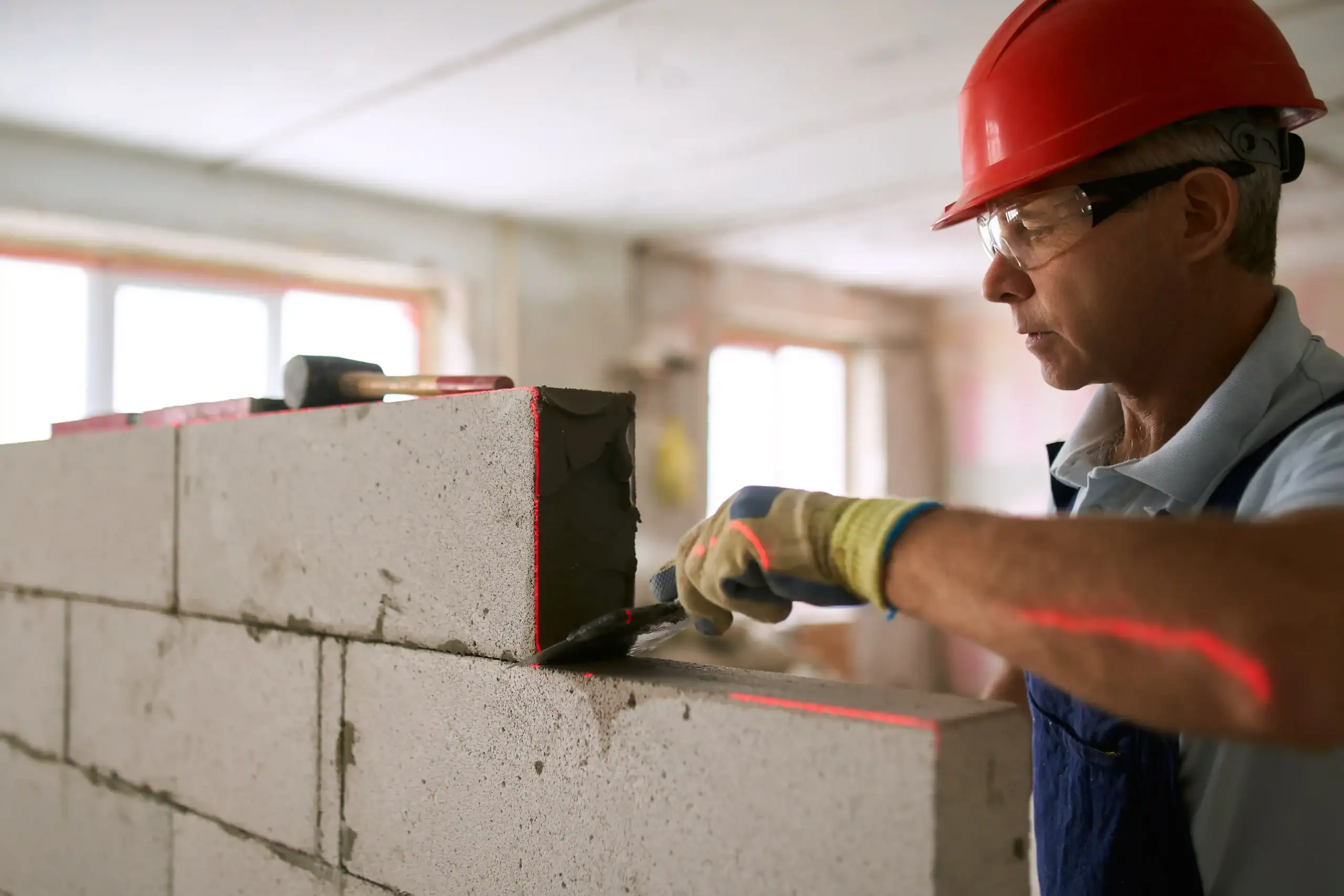
Chester’s housing stock is old most of it built between the 1890s and 1950s. That means brick, stone, and mortar that has been through decades of Delaware County winters, and Delaware County averages over 90 freeze-thaw cycles every single year. When water gets into a small crack, freezes, and expands, it doesn’t stay small. That’s how a minor mortar joint issue becomes a structural problem that costs three times as much to fix.
Good masonry work stops that cycle. When the base is properly prepared, the right materials are specified for this climate, and drainage is built into the design from the start, you’re not calling a contractor again in three years. The work holds. That’s what happens when the job is done correctly the first time.
For Chester homeowners near the waterfront or on sloped lots, drainage isn’t optional. Properties close to the Delaware River deal with grade changes and moisture conditions that will expose every shortcut a contractor takes. A retaining wall installed without proper drainage behind it will lean. A patio laid without accounting for water runoff will heave. Getting these details right upfront is the difference between a project that lasts 25 years and one that needs to be redone before your neighbor’s does.
We’ve been working across Delaware County for over 15 years, based out of Aston a short drive from Chester along US-13. That’s not a number thrown out to impress you. It means we’ve worked through enough winters, enough problem properties, and enough difficult jobs to know what actually works here, and what doesn’t.
The crew that starts your project is the crew that finishes it. No subcontractors handed your job off mid-way through. No strangers showing up without context. The same experienced team handles site prep, installation, and cleanup which means nothing gets lost between steps and you always know who to call if you have a question.
Chester is Pennsylvania’s oldest city, and the homes here reflect that history. The West End row homes, the residential corridor around Widener University, the properties near the waterfront each area has its own conditions, its own masonry profile, and its own set of challenges. We know the difference, and that local familiarity shows in the work.
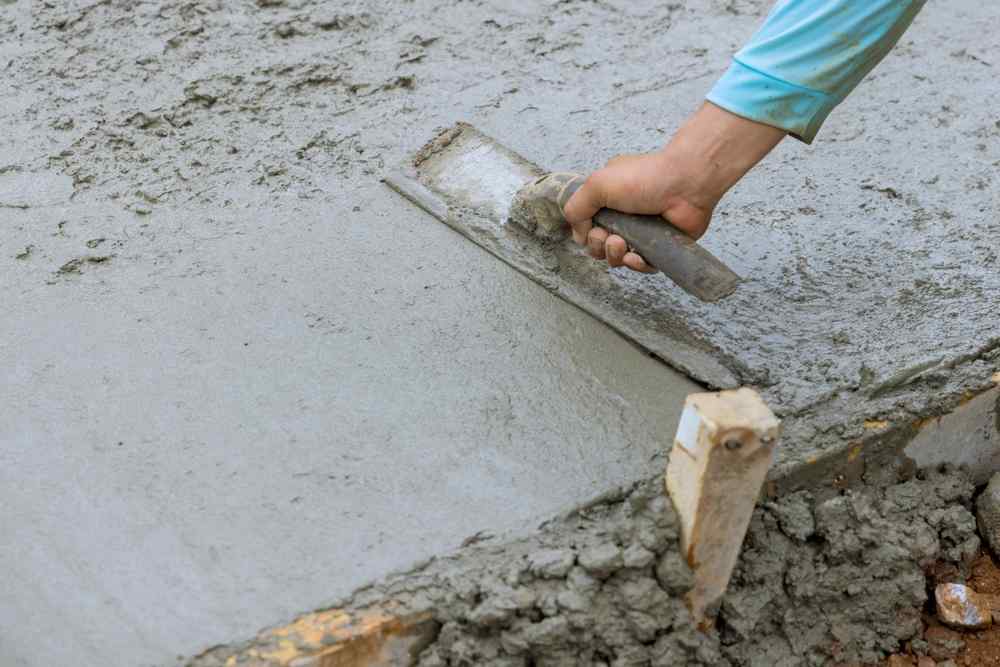
It starts with a site visit and a real conversation about what you’re dealing with. Not a rushed walkthrough followed by a vague estimate an actual assessment of what’s failing, why it’s failing, and what the right fix looks like. For older Chester properties, that often means looking at drainage first. A crumbling retaining wall or a heaving walkway is usually a symptom, not the root problem.
From there, you get a written proposal with a specific scope and a real timeline not “sometime in the spring.” You’ll know what work is being done, what materials are being used, and when it starts and ends. Chester has its own Planning and Zoning Department, and walls or structures over three feet in height require a zoning permit. If your project falls into that category, that’s factored into the timeline upfront, not discovered mid-project.
Once work begins, the same crew stays on your property through completion. Base preparation, installation, cleanup all of it handled by the same team. When the job is done, the space is left clean and the work is inspected before anyone calls it finished. If something comes up after the project wraps, you’re not calling a number that goes to voicemail. You get a response.
Ready to get started?
In Chester, the most common masonry calls are repair and restoration not new outdoor kitchens. Brick repointing on a 90-year-old row home in the West End. Retaining wall replacement on a sloped lot near the waterfront. Concrete steps that have cracked and shifted over decades of freeze-thaw stress. These aren’t cosmetic issues. Left alone, they become water infiltration problems, structural failures, and safety hazards. We handle all of it diagnosis, repair, and long-term remediation.
For homeowners in the Widener University corridor or in neighborhoods actively improving, new installations are part of the picture too. Stone patios, brick walkways, concrete curbing that defines garden beds and controls drainage, decorative gravel installed with proper edging and weed barrier so it actually stays put these are functional improvements that hold up through Chester’s winters and add real value to the property.
Every project, whether it’s masonry repair on a pre-war brick home or a new patio installation near the revitalizing waterfront district, is built with Delaware County’s climate in mind. That means materials selected for low water absorption, bases prepared to the correct depth, and drainage designed into the project from the start not addressed as an afterthought. Chester’s Stormwater Authority has specific concerns about drainage and runoff in this city, and any masonry work that affects grade or water flow needs to account for that. It’s built into how every job here is approached.
It depends on the scope of the work, but Chester has some specific thresholds worth knowing. The City of Chester’s zoning ordinance requires a zoning permit for any structure including walls and fences that exceeds three feet in total height. That’s a lower threshold than many surrounding municipalities in Delaware County, so it catches more projects than homeowners expect.
On top of that, Pennsylvania’s Uniform Construction Code requires a building permit for retaining walls over four feet in height, measured from the lowest grade to the top of the wall. If a wall under four feet is supporting a surcharge meaning there’s a structure or load above it that also triggers a permit requirement. Projects that alter drainage patterns may face additional review under Chester’s stormwater management requirements. We sort all of this out before work begins, not discovered mid-project.
There’s a straightforward way to think about it. If the wall is leaning more than an inch or two out of plumb, has visible cracking along the face or through the structure, or if you’re seeing soil pushing through from behind, those are signs of a drainage or structural failure not surface wear. Patching a wall in that condition is throwing money at a symptom.
Repair makes sense when the wall is structurally sound but showing surface deterioration spalling face material, minor cracking in mortar joints, cosmetic damage from freeze-thaw stress. On Chester properties near the Delaware River waterfront or on sloped lots with grade changes, drainage failure is the most common cause of retaining wall problems. A proper assessment looks at what’s happening behind the wall, not just what’s visible on the face. That’s where the real answer is.
Age and original installation standards are the two biggest factors. Chester’s residential buildings were constructed primarily between the 1890s and 1950s, using materials and techniques that predate modern freeze-thaw-resistant specifications. The mortar mixes, brick grades, and base preparation methods common in that era weren’t designed to handle 90-plus freeze-thaw cycles per year over a century of use. They’ve done their job but they’re past the point where surface maintenance is enough.
When water infiltrates a micro-crack in aging mortar, freezes, and expands, it widens that crack. Do that 90 times a year for decades and you have a structural problem, not a cosmetic one. Towns like Newtown or Concord have newer housing stock with masonry that hasn’t been through the same cumulative stress. Chester’s homes carry their history in the brick and stone, which is worth preserving but it requires a contractor who understands what they’re actually working with.
The practical working window for masonry in Chester runs from late March through early November roughly when temperatures stay consistently above 40°F. Mortar needs to cure within a specific temperature range, and work done outside that window risks improper curing, which shortens the life of the installation significantly.
Spring is the busiest season because Chester homeowners are assessing winter damage and trying to get projects scheduled before summer. If you’re planning a project for spring, reaching out in January or February gives you the best shot at getting on the schedule before slots fill. Fall is a solid secondary window particularly for repair work, since getting deteriorating masonry addressed before another winter of freeze-thaw cycles is a smart investment. Chester’s proximity to the Delaware River means slightly more moisture exposure than inland parts of Delaware County, which makes fall repairs especially worthwhile on older brick and stone.
Masonry pricing varies based on scope, material, and site conditions but here’s a useful frame. Basic masonry repair work, like brick repointing on a section of wall or concrete step repair, typically starts in the $500 to $2,500 range depending on the extent of the damage. Retaining wall replacement, which is more involved and often requires drainage remediation behind the wall, generally runs $3,000 to $10,000 or more depending on length, height, and site access.
New patio installations in the $5,000 to $15,000 range are common for mid-sized projects using natural stone or pavers. Concrete curbing and decorative gravel installations tend to be more accessible entry points in the $1,000 to $4,000 range. In Chester, where property values and project budgets differ from more affluent Main Line towns, pricing transparency matters. You should receive a written proposal with a detailed scope before any work begins so you know exactly what you’re paying for and why.
Start with Pennsylvania’s Home Improvement Consumer Protection Act registration. Any contractor performing $5,000 or more in annual residential work in Pennsylvania is legally required to register with the PA Attorney General’s Office. You can verify registration online. An unregistered contractor means you have no legal recourse if the project is abandoned, the work fails, or a dispute arises and contractor abandonment is a documented problem in Chester, not a hypothetical one.
Beyond registration, look for verifiable local reviews with named customers, a contractor who can show you completed work in Delaware County, and someone who gives you a written proposal with a real timeline not a verbal estimate and a handshake. A contractor who has been operating continuously in this area for more than a decade has something to protect: their reputation. That accountability matters more than a low bid from someone you can’t verify. Ask who will actually be on your property, whether they use subcontractors, and what happens if something needs to be addressed after the job is done. The answers tell you a lot.
Useful Links