
Hear from Our Customers
Masonry that holds up in Chester Heights isn’t just about how it looks on day one. It’s about whether it’s still standing strong after five winters of freeze-thaw cycles, after the hillside behind your retaining wall fills with runoff, after the first hard frost hits that new patio. That’s the part most homeowners don’t think about until something fails and by then, it’s a much bigger conversation.
Chester Heights sits on elevated, wooded terrain with grade changes that put real pressure on any outdoor structure. Retaining walls here aren’t decorative they’re doing actual work, holding back soil on sloped lots throughout the borough. When those walls are built without proper drainage or the right base depth, they don’t fail dramatically. They shift slowly, lean gradually, and then one day they’re a liability instead of an asset. The difference is in how the work was designed and built from the start.
The same logic applies to patios, walkways, and any masonry surface that lives outside year-round in Delaware County. With over 90 freeze-thaw cycles annually, materials that absorb water will crack. Period. Getting the right stone natural bluestone or Pennsylvania fieldstone, both with absorption rates under two percent isn’t a luxury choice. It’s just the correct call for this climate. When those decisions are made right, you end up with outdoor spaces that genuinely last, and you stop replacing the same section of walkway every few years.
We’re based in Aston, PA the same township Chester Heights separated from to become its own borough back in 1945. That’s not a trivia detail. It means when our crew shows up to your property, we already understand the terrain, the soil, the drainage patterns, and the specific demands that come with working on elevated wooded lots in this corner of Delaware County.
For over 15 years, we’ve been handling residential masonry across Chester Heights and the surrounding area stone patios, retaining walls, brick walkways, concrete curbing, outdoor fireplaces, decorative gravel, and masonry repair on everything from newer builds to homes that have been standing since the 1700s. Chester Heights has some of the oldest residential structures in the county, and working on period fieldstone requires a different level of care than a standard paver install. That’s a distinction we take seriously.
Every project runs with one experienced team from start to finish. No subcontractors handed a job mid-project, no communication gaps between the crew that dug the base and the crew that laid the stone. You get a clear timeline before work starts, and a team that answers the phone after it’s done.
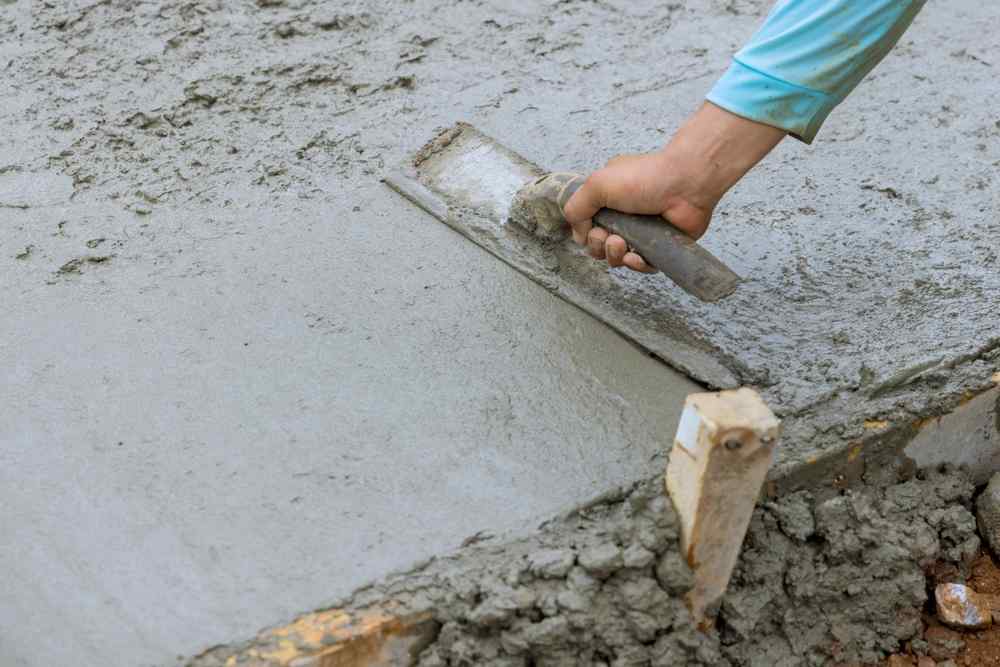
It starts with a walkthrough of your property. Before anything is quoted, we look at the actual site the grade, the drainage, the existing structures, and what you’re trying to accomplish. For Chester Heights properties, that often means assessing slope conditions, identifying where water moves during heavy rain, and understanding whether any existing masonry is historic or period construction that needs to be matched carefully.
From there, you get a written proposal with a specific scope and a real project timeline not a vague window. If your project requires a permit, like a retaining wall over four feet, that gets addressed upfront. Chester Heights falls under Pennsylvania’s Uniform Construction Code, and any contractor who skips that conversation is doing you a disservice. Knowing what’s required before work starts keeps the project on schedule and protects you legally.
Once work begins, the same crew handles everything through completion. Base preparation, drainage installation, material placement, finishing, and cleanup all one team, all accountable to the same timeline. If you’re planning a spring patio or a retaining wall before the summer, the right time to reach out is January or February. Contractors who do this work correctly in Delaware County book up fast once the ground thaws, and the best crews are typically scheduled two to three months out during peak season.
Ready to get started?
The masonry work we handle in Chester Heights covers a wide range and the mix reflects what properties here actually need. Stone patios and brick walkways for estate-style lots with room to build something worth having. Retaining walls engineered for sloped terrain, not just stacked and hoped for. Outdoor fireplaces and concrete curbing for large landscaped properties where the details matter. Decorative gravel installation done with proper weed barrier, correct depth, and drainage consideration because Chester Heights’s wooded lots are beautiful until a poorly installed gravel path turns into a maintenance problem every spring.
Masonry repair is a significant part of the work we do here too, and for good reason. Chester Heights has homes dating back to 1720, and original fieldstone and brick structures require a mason who understands period construction. Using modern Portland cement mortar on a 300-year-old stone wall causes accelerated damage the mortar is harder than the stone and forces moisture into the face instead of the joint. Matching the right material to the existing structure isn’t optional on historic properties. It’s the whole job.
Whether you’re looking at a new installation, a repair on an aging structure, or a full outdoor living build on a large wooded lot, every project starts with an honest assessment of what your property actually needs and what it will take to make it last.
In Pennsylvania, retaining walls that exceed four feet in height require a building permit under the state’s Uniform Construction Code. Chester Heights follows this framework, and the borough’s own development standards actually go a step further they explicitly require retaining walls in situations where a stable slope cannot otherwise be maintained. That means if your property has significant grade change, a wall isn’t just something you might want. It may be something the code expects.
For tiered wall systems, which are common on Chester Heights’s sloped lots, there are additional engineering review considerations depending on the total height and load. Before any work begins, we can tell you clearly whether your specific project requires a permit and walk you through what that process looks like. Getting the permitting right upfront protects your investment and keeps the project on schedule.
For Chester Heights specifically, natural bluestone and Pennsylvania fieldstone are the two strongest choices. Both have water absorption rates in the one-to-two percent range, which matters enormously in Delaware County where freeze-thaw cycles happen more than 90 times a year. When stone absorbs water and that water freezes, it expands inside the material and causes cracking and surface spalling over time. Lower absorption means that cycle has far less to work with.
Pennsylvania fieldstone has an added advantage in Chester Heights it’s historically appropriate. The borough has homes built in the 1700s with original fieldstone construction, and matching that material on newer installations or additions keeps the aesthetic cohesive with the character of the neighborhood. Beyond looks, it’s a locally sourced material that has proven itself in this exact climate for centuries. That’s just a track record you can walk up and touch on some of the oldest properties in the borough.
The honest answer is that most historic fieldstone walls in Chester Heights need repair long before they need replacement the problem is that deferred maintenance is what turns a repair into a replacement. Cracked mortar joints, loose or shifting stones, and surface spalling are all early-stage issues. When water gets into those openings and goes through enough freeze-thaw cycles, what started as a repointing job becomes a structural rebuild.
The key diagnostic question is whether the wall has moved. Minor surface deterioration on a wall that is still plumb and stable is a repair. A wall that is leaning, bowing, or showing separation at the base has a drainage or structural issue underneath that surface work won’t fix. For Chester Heights properties with original fieldstone dating back to the colonial era, the repair approach also matters period lime-based mortars are softer than the stone and allow the joint to be the sacrificial element, which is how these walls were designed to work. Using modern Portland cement on an old wall forces moisture damage into the stone face instead, and that damage is not reversible.
Spring is the peak window March through May and it books up fast. Homeowners who want a stone patio ready for summer or a retaining wall addressed before the next rainy season need to be reaching out in January or February to secure a spot with a crew that does the work correctly. Contractors who are worth hiring in Delaware County are typically scheduled two to three months out once the ground thaws, and waiting until April often means waiting until fall.
Mortar cures properly between 40 and 100 degrees Fahrenheit, so winter installation is genuinely limited in Chester Heights. That said, winter is the ideal time to plan, get a proposal, and lock in your timeline. Fall is a strong secondary window September and October when homeowners address summer damage and prepare properties for winter. If you have a retaining wall that shifted over the summer or a walkway that cracked through last winter, fall is the right time to get it corrected before another freeze-thaw season compounds the problem.
The gap between a professional gravel installation and a DIY one usually shows up within the first season. The visible part the gravel itself looks similar at first. What you can’t see is whether the ground was properly graded for drainage, whether the weed barrier was installed correctly and at the right depth, and whether the edging or curbing was set to actually contain the material through freeze-thaw movement.
On Chester Heights’s wooded lots, those details matter more than average. Tree roots create uneven ground that shifts gravel unpredictably. Shade slows drying and creates moisture conditions that accelerate weed breakthrough through inadequate barriers. And without proper edging whether concrete curbing or a correctly set border gravel migrates into lawn and garden beds over time, especially on any sloped terrain. A professional installation accounts for all of that upfront, which is why it holds up year after year instead of becoming an annual correction project. For large wooded properties with naturalistic pathways or landscape areas, getting those details right from the start is the difference between a feature that adds to the property and one that adds to the to-do list.
Masonry pricing in the Delaware County area runs 15 to 25 percent above national averages, which reflects both the regional cost of living and the property values at stake. For Chester Heights specifically, where homes are among the most expensive in Pennsylvania, the investment in quality masonry is proportional to what’s already there. That said, here are realistic ranges to work with: stone patio installation typically runs $10 to $75 per square foot depending on material, with Pennsylvania flat stone coming in around $40 to $50 per square foot installed. Retaining walls range considerably based on height, material, and drainage requirements. Masonry repair projects repointing, resetting loose stone, addressing surface damage generally fall between $500 and $2,500 depending on scope.
The wider point is that pricing transparency matters in this industry, and a contractor who won’t give you a realistic range before a site visit is making the process harder than it needs to be. You should know what you’re walking into before anyone shows up at your door. A written proposal with a clear scope and itemized cost is the baseline expectation not a favor. If a quote comes back significantly lower than the ranges above, the question worth asking is what’s being left out, because base preparation, proper drainage, and correct material specification are where corners get cut and where failures start.
Useful Links
Other Services we provide in Chester Heights