
Hear from Our Customers
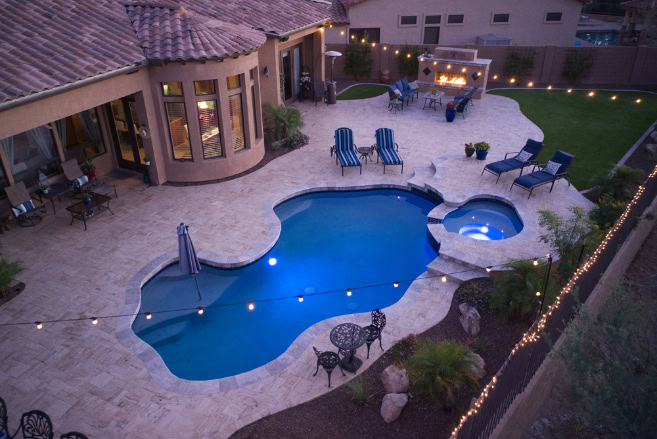
Most homes in Ridley Township were built in the 1950s and 60s solid houses, established yards, and backyards that have been sitting mostly unused for decades. That’s not a limitation. That’s an opportunity. A well-designed outdoor kitchen turns that underused space into the place where your family actually wants to be weekend cookouts, weeknight dinners that stretch past sunset, graduation parties that don’t feel cramped.
The bigger issue for homeowners here isn’t whether they want an outdoor kitchen. It’s whether the thing will still look good in five years. Ridley Township’s winters are no joke. Temperatures drop below 15°F and bounce back above 40°F repeatedly through January and February, and that freeze-thaw cycle destroys materials that weren’t chosen with Pennsylvania in mind. Standard concrete block, cheap tile, improperly sealed countertops they start cracking within a few seasons. The right build uses frost-proof stone, properly prepared aggregate bases that account for Delaware County’s clay-heavy soil, and materials rated for the conditions outside your back door in Woodlyn or Folsom not a showroom in Arizona.
When it’s done right, you’re not just adding a grill station. You’re adding a space that gets used constantly, holds its value, and makes your home more sellable when the time comes. Homes with outdoor kitchens sell roughly 23% faster than comparable homes without them, and the return on investment runs between 55% and 100% at resale meaningful numbers in a market where Ridley Township’s median listing price sits around $310,000.
We’re based in Aston right next door to Ridley Township and have been building outdoor spaces across southeastern Delaware County for over 15 years. This isn’t a regional chain that added Delaware County to a dropdown menu. We’re a local, owner-operated company that knows the difference between Woodlyn and Crum Lynne, understands what Ridley Township’s Code Office requires before construction starts, and has built enough projects in this corner of the county to know exactly what the soil, the climate, and the housing stock demand.
Renato Spennato is personally involved in every project something customers have called out by name in reviews, and something that matters when you’re spending $15,000 to $40,000 on a permanent structure in your backyard. One team handles everything from design through final walk-through. No rotating subcontractors, no communication gaps, no project that stalls because two crews can’t coordinate a schedule. What you’re told at the start is what you get at the end.
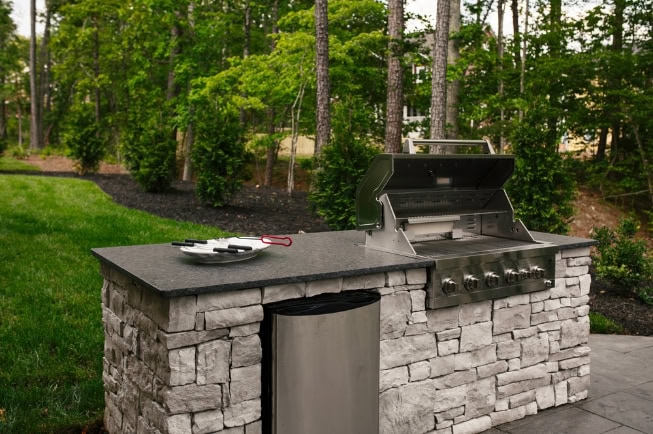
It starts with a conversation about how you actually use your backyard not a pitch for the most expensive setup on the menu. Do you want a simple built-in grill and counter space, or are you thinking about a full setup with a sink, refrigeration, bar seating, and a pizza oven? Both are valid. The design gets built around your specific Ridley Township property: your lot size, your home’s orientation, sun exposure, how foot traffic moves between your back door and the yard, and any drainage considerations that come with Delaware County’s clay soil.
Once the design is locked in, we handle the permit process with Ridley Township’s Code Office including contacting the Code Office before any work begins, which the township requires for any new construction or structural alterations. If your outdoor kitchen involves gas line connections, electrical work, or plumbing for a sink, each of those trades gets properly permitted and inspected. You don’t navigate that process. We do.
The build itself follows a clear sequence: site prep and base work first, then the structural masonry, then utility rough-ins, then appliance installation and finishing. One team runs the whole thing. If you’re planning to use your outdoor kitchen by July 4th or Labor Day, the conversation needs to happen in late winter or early spring the active build season in Ridley Township runs from late April through October, and the homeowners who wait until April to start frequently can’t get on the schedule in time.
Ready to get started?
Outdoor kitchen inspiration photos are almost always shot at large, flat, open properties the kind that don’t look much like a quarter-acre colonial lot in Folsom or Holmes. Our design process starts with your actual yard, not a template. That means layouts that work within Ridley Township’s typical lot dimensions, designs that account for neighbor proximity and site visibility, and material choices that hold up to the specific conditions outside your back door.
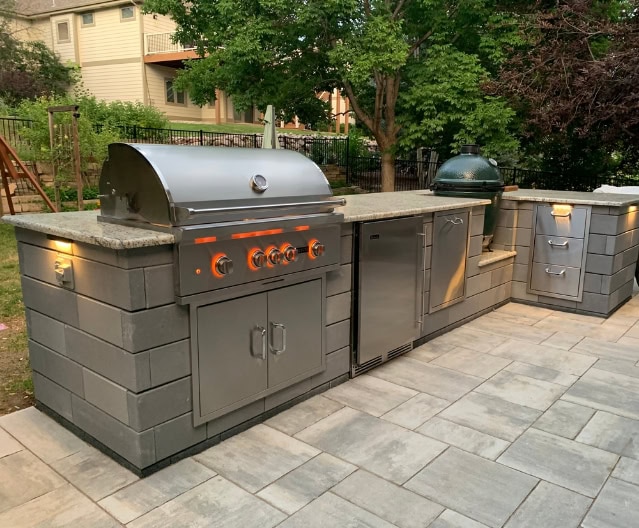
The scope of what’s possible ranges from a clean, functional grill station with built-in counter space and storage all the way to a full outdoor kitchen with a built-in grill, side burners, sink with running water, under-counter refrigeration, a pizza oven, bar seating, and a covered overhead structure. Ridley Township’s zoning code does have specific requirements for outdoor structures with roof or awning elements walls or appurtenances cannot extend more than 48 inches above the deck or patio surface and those requirements are factored into the design from day one, not discovered during inspection.
Material selection here is deliberate. Frost-proof stone veneer, stainless steel appliances, marine-grade polymer cabinetry, and properly sealed countertop surfaces are the standard not upgrades because Ridley Township’s combination of freeze-thaw winters and humid Delaware River summers demands it. Everything is built to still look right a decade from now, not just on the day it’s finished.

Yes Ridley Township requires you to contact the Code Office before beginning any new construction or structural alterations, and outdoor kitchens almost always trigger permit requirements. If your project involves structural masonry, a gas line connection, electrical work, or plumbing for a sink or water feature, each of those elements needs to be permitted and inspected before and after installation. The township’s Code Office can be reached at 610-534-4803, and they’ll tell you exactly what applies to your specific project scope.
The permit process isn’t complicated if you know what you’re doing, but it does take time and skipping it creates real problems at resale when a home inspector flags unpermitted work. We handle the permit coordination as part of every outdoor kitchen project in Ridley Township, including filing the applications, scheduling inspections, and making sure the finished structure meets the township’s zoning requirements. You don’t have to figure out the process yourself.
The range is wide because the scope varies so much. A well-built, functional outdoor kitchen in Ridley Township think built-in grill, counter space, storage, and quality masonry typically starts around $13,000 to $18,000. A mid-range setup with a sink, refrigeration, and upgraded appliances runs $20,000 to $35,000. Full outdoor kitchen builds with pizza ovens, bar seating, covered structures, and premium finishes can reach $40,000 or more depending on materials and site complexity.
For Ridley Township homeowners, it’s worth thinking about this as a percentage of home value and a long-term asset. With median listing prices around $310,000, a $20,000 to $30,000 outdoor kitchen that returns 55% to 100% at resale and helps your home sell faster is a different kind of investment than it would be in a market with lower home values. The bigger risk isn’t spending the money. It’s spending it on a build that uses inferior materials and fails after a few Delaware County winters, leaving you with a crumbling structure and no contractor to call.
Delaware County’s freeze-thaw cycle is the main thing to plan around. Temperatures in Ridley Township regularly drop below 15°F in January and February, then climb back above 40°F within days and that repeated cycling puts serious stress on materials that weren’t rated for it. Standard concrete blocks, non-frost-proof ceramic tile, and improperly sealed concrete countertops can start cracking within three to five winters. It’s not a theoretical risk. It’s something you can see in neighborhoods across southeastern Delaware County every spring.
The materials that hold up are frost-proof stone veneer for the structure, stainless steel for all appliances and hardware, marine-grade polymer cabinetry that handles both freezing temperatures and summer humidity, and countertop surfaces granite, porcelain, or concrete that are properly sealed for outdoor use. The base preparation matters just as much as the surface materials. Delaware County’s clay-heavy soil retains water and shifts under freeze-thaw pressure, so the aggregate base under your outdoor kitchen needs to be properly compacted and graded to prevent frost heave over time.
From the initial consultation to a completed outdoor kitchen, most projects in Ridley Township take four to eight weeks of active construction time, depending on scope and complexity. A straightforward grill station with masonry and countertops is on the shorter end. A full outdoor kitchen with gas, electrical, plumbing, and a covered structure takes longer, particularly when permit review and inspection scheduling are factored in.
The more important timeline to understand is the planning timeline. The active build season in Ridley Township runs from late April through October masonry work can’t be done safely below 40°F, and wet or frozen ground creates real problems for base preparation. Homeowners who want their outdoor kitchen ready for summer entertaining need to be in the design and permitting phase by February or March at the latest. If you wait until April to start the conversation, there’s a real chance the build won’t be complete before July. The homeowners who get their outdoor kitchens done for summer are almost always the ones who started planning in winter.
Yes, and this comes up constantly with Ridley Township properties. Most of the housing stock here the colonials and Cape Cods built in the 1950s and 60s in neighborhoods like Woodlyn, Folsom, and Holmes sits on quarter-acre or smaller lots. That’s not a dealbreaker for an outdoor kitchen. It’s a design constraint that needs to be respected from the start, and it’s exactly why a custom layout matters more than a catalog package.
A well-designed outdoor kitchen on a smaller lot accounts for how you move between the house and the yard, where the sun hits at different times of day, how close the structure sits to the property line, and how the build affects your neighbors’ sight lines and noise exposure. Ridley Township’s lots are also close together, which means construction activity is visible and felt by the whole block another reason to work with a contractor who runs a clean, organized site and doesn’t leave your yard torn up for months. The right design makes a smaller yard feel intentional and complete, not cramped.
This is the right question to ask, and the fact that you’re asking it means you’ve probably heard a story or two from neighbors. The most common complaint pattern for outdoor construction contractors in Delaware County and everywhere else is a contractor who takes a deposit, does partial work, and becomes unreachable. The BBB complaint record for the industry is full of exactly this scenario, and it’s a legitimate concern when you’re committing $15,000 to $40,000 to a permanent structure.
The things worth verifying before you sign anything: Does the contractor have a physical local address, or are they operating out of a P.O. box and a website? Can they point to completed projects in Ridley Township or the surrounding Delaware County communities? Are reviews specific enough to include the owner’s name or project details or are they generic five-star ratings with no substance? We’re based in Aston, have been working in southeastern Delaware County for over 15 years, and operate as an owner-run company where Renato Spennato is personally accountable for every project. That’s not a marketing claim it’s the kind of thing you can verify by calling, asking for references, and seeing completed work in the area before you commit.
Useful Links