
Hear from Our Customers
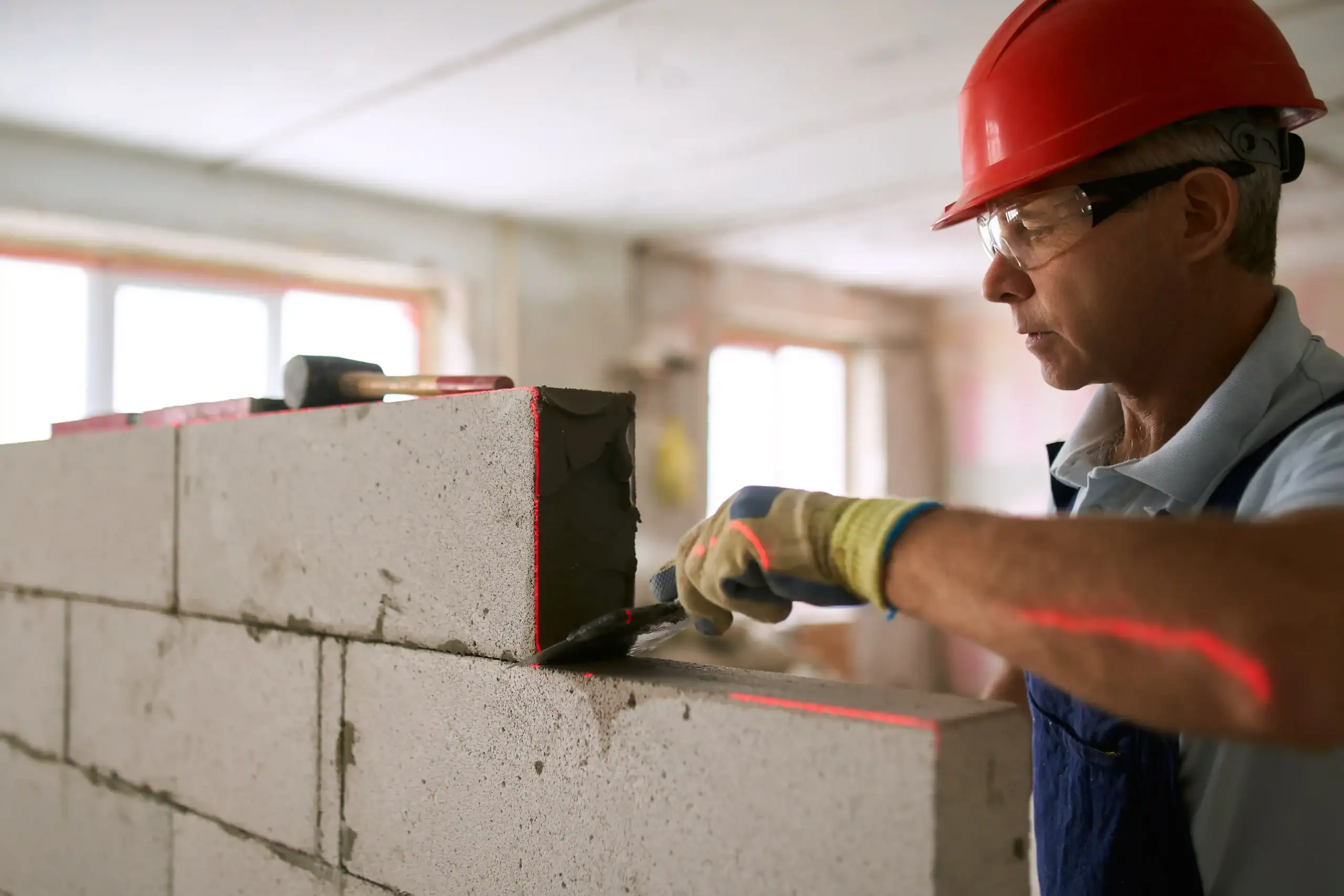
Cracked steps and a heaving walkway aren’t just eyesores they’re telling you something. In Woodlyn, where the average home was built around 1956, original masonry has been through decades of Delaware County freeze-thaw cycles. Every winter, water works its way into small cracks, freezes, expands, and makes those cracks a little bigger. By the time it’s visibly bad, the damage underneath is usually worse than what you can see from the sidewalk.
When the work is done with the right materials and proper base preparation, that cycle stops. Stone and brick installed with adequate drainage and frost-depth footings doesn’t heave. Mortar that’s been matched and repointed correctly doesn’t let water back in. You stop watching it get worse every spring and start having a front entry that actually looks like someone cares about the property.
For Woodlyn homeowners who work from home and there are more of you here than in most Delaware County communities this matters on a daily level. You’re looking at your property all day. A well-done stone walkway or a solid retaining wall along a graded rear yard isn’t a luxury upgrade. It’s the kind of thing that makes your home feel finished instead of overdue.
We’re based in Aston, PA, a few miles from Woodlyn along the I-95 corridor. We’ve been doing masonry and hardscaping work throughout Ridley Township and Woodlyn for over 15 years long enough to know the soil conditions, the drainage patterns, and exactly what happens to a poorly built retaining wall after a few wet southeastern Pennsylvania springs.
This isn’t a company that added Woodlyn to a service area map. We’ve worked in the Fairview and Woodlyn North neighborhoods, we understand what Ridley Township’s code enforcement office expects before a project starts, and we know what mid-century housing stock actually needs versus what looks good in a proposal.
One crew handles your project from the first shovel to final cleanup. No subcontractors rotating in and out of your yard. No communication gaps between phases. The same people who start your job are the ones who finish it and the ones you can call afterward if something ever comes up.
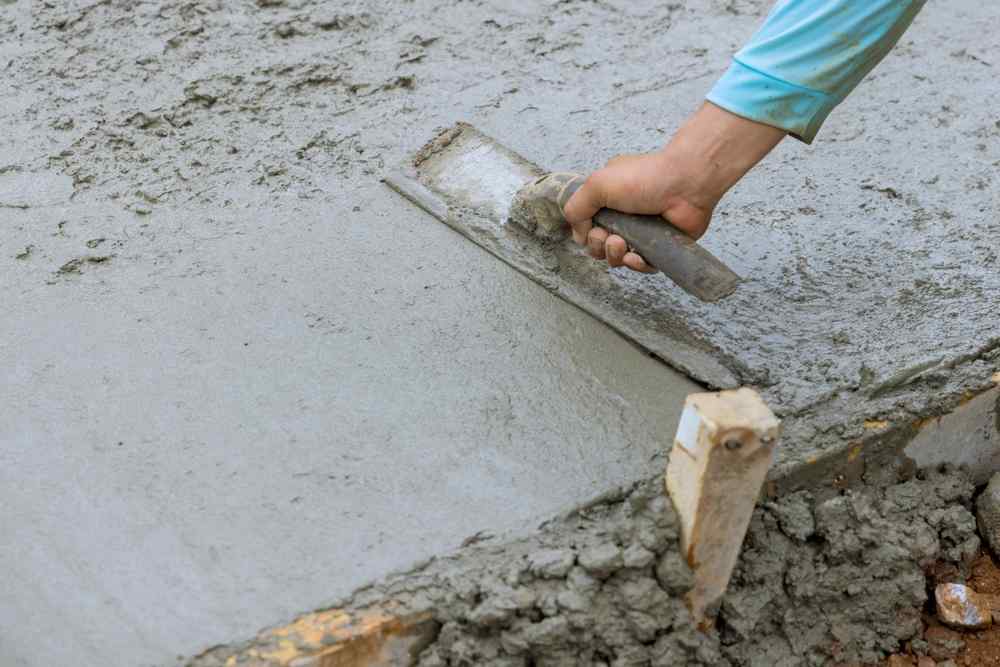
It starts with a straightforward site visit. We look at what you have, what’s failing and why, what you’re trying to accomplish, and what the property’s drainage and grade situation actually calls for. A lot of masonry problems in Woodlyn come down to inadequate base preparation or drainage that was never designed into the original installation so we’re not just looking at what’s visible on the surface.
From there, you get a written proposal with a specific project timeline not a vague “we’ll get to you in a few weeks.” If your project requires a permit through Ridley Township’s Code Enforcement office, we’ll tell you upfront and walk you through what that process looks like. Unpermitted masonry work creates real problems at resale in this area, and we’re not going to skip that step to make the proposal look simpler.
Once work begins, the timeline we gave you is the timeline we follow. The crew works clean this matters on the smaller residential lots that are typical throughout Woodlyn and the site is left in order at the end of each day. When the job is done, we do a final walkthrough with you before we consider it closed.
Ready to get started?
The masonry work we do in Woodlyn covers the full range of what homes in this area typically need. Stone patios and brick walkways are common requests, especially for homeowners who are finally addressing original concrete or asphalt surfaces that have been deteriorating for years. Retaining walls particularly along graded rear yards and side lots are another frequent project, and they’re one of the areas where doing it right the first time matters most. A retaining wall without proper drainage behind it will lean and crack regardless of how it looks on day one.
We also do masonry repair work: repointing cracked mortar joints, resetting loose brick or stone, repairing spalled faces, and addressing surface damage before it compounds into something that requires full replacement. For Woodlyn homes built in the 1940s through 1960s, this kind of targeted repair is often the most cost-effective path and it’s work that most contractors don’t want to take on because it requires real diagnostic skill, not just installation.
Rounding out what we offer: concrete curbing for driveways and garden beds, decorative gravel installation, and outdoor fireplace and feature work. Whatever the project, the approach is the same right materials for the Delaware County climate, correct base and drainage design, and work that’s built to last through the winters here, not just look good in the photos.
It depends on the scope of the project, but the short answer is: you should always check before anything starts. Woodlyn falls under Ridley Township’s jurisdiction for building and zoning, and the township’s Code Enforcement office explicitly advises residents to contact them before commencing any new construction or alterations. Their number is 610-534-4803.
For most interlocking paver patios that don’t require a foundation or frost wall, a zoning permit is typically all that’s needed not a full building permit. Retaining walls are treated differently because they serve a structural function, and depending on height and loading conditions, they may require engineering review. Work that gets done without the right permits can create complications when you go to sell your home, and in some cases can result in fines or stop-work orders.
Any reputable masonry contractor working in Ridley Township should know this process and be upfront about it from the start. If a contractor is suggesting you skip permits to keep things simple, that’s a red flag worth taking seriously.
This is one of the most common questions we get from Woodlyn homeowners, and the honest answer is that it’s not always obvious from the surface. Visible cracks, loose bricks, and spalling faces are signs that something is wrong but the real question is whether the base beneath the masonry is still sound. In Woodlyn’s older housing stock, a lot of original walkways and steps were installed with minimal base preparation. After 60-plus years of freeze-thaw cycling, the base has often shifted enough that resetting the surface materials won’t hold long-term.
A good diagnostic starts by looking at the pattern of the damage. If cracks are isolated and the surrounding masonry is solid, targeted repair and repointing is usually the right call. If you’re seeing widespread heaving, multiple loose sections, or crumbling mortar throughout, the base is likely the problem and replacement will serve you better than repeated patch repairs.
The cost difference between repair and replacement is significant, so it’s worth getting an honest assessment rather than a contractor who defaults to the more expensive option. We’ll tell you what we actually see, not what makes the proposal bigger.
Delaware County averages more than 90 freeze-thaw cycles per year. That number matters a lot when you’re choosing masonry materials, because every cycle forces any water trapped in porous material to expand and contract and that’s what causes cracking and spalling over time.
Materials with low water absorption rates perform significantly better in this climate. Natural bluestone and Pennsylvania fieldstone both run around 1-2% water absorption, which is why they’re common choices for walkways and patios in this area. Brick quality varies considerably higher-density, low-absorption brick is worth the price difference in a climate like ours. Concrete products are fine when they’re properly installed with the right base depth and drainage, but they’re more vulnerable to freeze-thaw damage if water is allowed to pool or infiltrate.
What matters as much as the material itself is the installation. Even the best bluestone will fail prematurely if it’s set on an inadequate base or without proper drainage consideration. For Woodlyn homeowners replacing aging original masonry, getting both the material selection and the base preparation right is the difference between work that lasts 30 years and work that starts showing problems by year five or six.
Spring and fall are the two peak windows for masonry work in this area, and both fill up fast with reputable contractors. Spring roughly March through May is when most homeowners assess winter damage and start planning repairs and new installations. Fall, particularly September and October, is the last practical window before freezing temperatures make fresh mortar work impractical. Mortar needs temperatures between 40°F and 100°F to cure correctly, so once we’re consistently below that threshold, new masonry work has to wait.
The practical implication for Woodlyn homeowners is that if you’re hoping to get work done in spring, you should be reaching out in January or February at the latest. Contractors who are worth hiring are typically booked 8 to 12 weeks out during peak season. If someone can start your job next week in April, it’s worth asking why they have that kind of availability.
Summer is a steady window for new patio and walkway installations, though heat can affect mortar curing and requires some scheduling consideration. Winter is the best time to plan, get quotes, and lock in a spring start date even if no physical work happens until the ground thaws.
Masonry pricing in Delaware County runs roughly 15-25% above national averages because of local labor and material costs. For a realistic sense of what projects cost in this market: a new stone or brick patio typically runs $6,000 to $25,000 or more depending on size, material, and complexity. A retaining wall replacement generally falls in the $4,000 to $15,000 range depending on length and height. A new stone walkway with steps can run $8,000 to $20,000 or more. Masonry repair work repointing, resetting loose stone, surface repair typically ranges from $500 to $2,500 depending on how much is involved.
These are honest ranges, not minimums designed to get you on the phone. The actual number for your project depends on what the site requires, what materials make sense, and whether there are drainage or base issues that need to be addressed as part of the work.
One thing worth knowing: the cheapest bid in a masonry comparison is almost never the cheapest outcome. Base preparation and drainage design are the parts of the job that don’t show in photos and they’re exactly where corners get cut when a contractor is trying to win on price.
Start with the basics: make sure any contractor you’re considering is registered as a PA Home Improvement Contractor with the Pennsylvania Attorney General’s Office. Under state law, any contractor doing $5,000 or more in annual residential home improvement work is required to be registered. It’s a simple thing to verify, and a contractor who isn’t registered is operating outside the law which tells you something about how they handle the parts of the job you can’t see.
Beyond registration, look at how they communicate during the quote process. Do they give you a written timeline or just a vague window? Do they explain what’s driving the cost, or just hand you a number? Do they answer questions directly? The way a contractor behaves before you’ve signed anything is usually a reliable preview of how they’ll behave once the deposit is paid.
In Woodlyn specifically, it’s worth asking whether the contractor has actual experience working in Ridley Township not just a service area page that lists the town. Contractors who know this area understand the permit process, the housing stock, and what the local climate does to masonry over time. That’s not something you can fake with a well-designed website.
Useful Links