
Hear from Our Customers
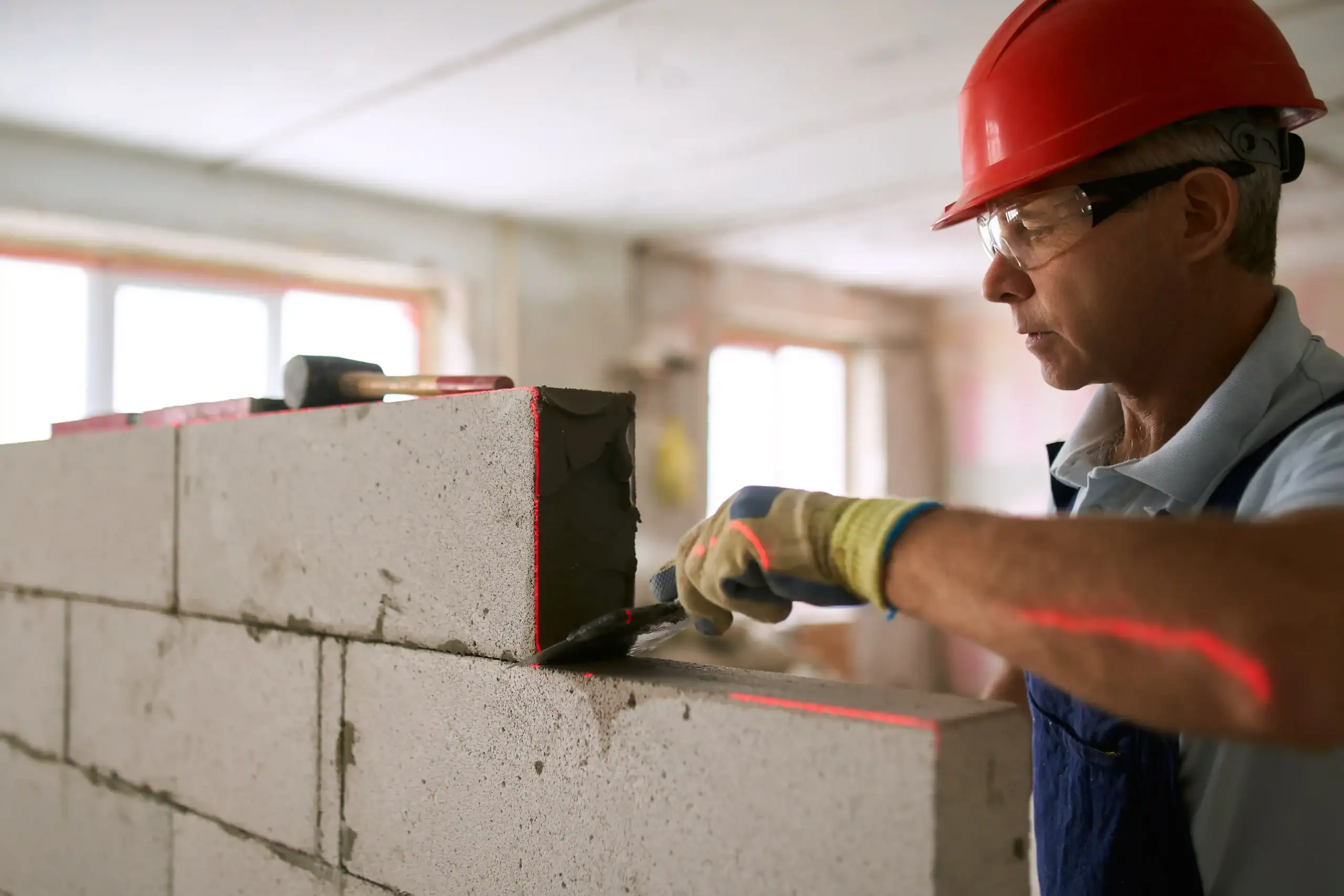
A cracked walkway, a heaving patio, a retaining wall that’s slowly pulling away from the slope these aren’t small problems. In Wayne, where homes along Lancaster Avenue and throughout North and South Wayne were built generations ago, masonry issues don’t stay small for long. Water finds its way into every crack, and once a Pennsylvania winter gets hold of it, what started as a minor repair becomes a much bigger conversation.
When the work is done correctly from the start proper base preparation, the right materials for this climate, drainage that actually accounts for how water moves across your specific property you stop having that conversation every spring. Your outdoor space looks the way it should, functions the way it should, and holds up through the freeze-thaw cycles that Delaware County delivers reliably every year.
Wayne’s housing stock is older and more architecturally distinct than most communities in the area. Homes in Glenhardie, Wayne Woods, and the historic core near downtown aren’t cookie-cutter builds. The masonry work on those properties needs to match in material, in character, and in how it’s built. That’s the difference between work that enhances a property worth over a million dollars and work that quietly detracts from it.
We’re based in Aston, PA Delaware County, same as the core of Wayne. That’s not a technicality. It means the crew showing up to your property already knows this area: the soil conditions, the drainage patterns, the freeze-thaw reality of a community that sits at a higher elevation than Center City and feels every degree of it in winter.
For over 15 years, we’ve been doing residential hardscaping and masonry work across Delaware County and Wayne. No subcontractors, no rotating crews, no project handoffs mid-job. The same experienced team that starts your project finishes it and there’s a real person to call if a question comes up six months later.
Wayne and Radnor Township have specific contractor licensing requirements beyond state registration, and permitting for walls, fireplaces, and structural work comes with rules unique to this area. We handle that process as part of the job. You don’t have to navigate the township’s Community Development Department on your own.
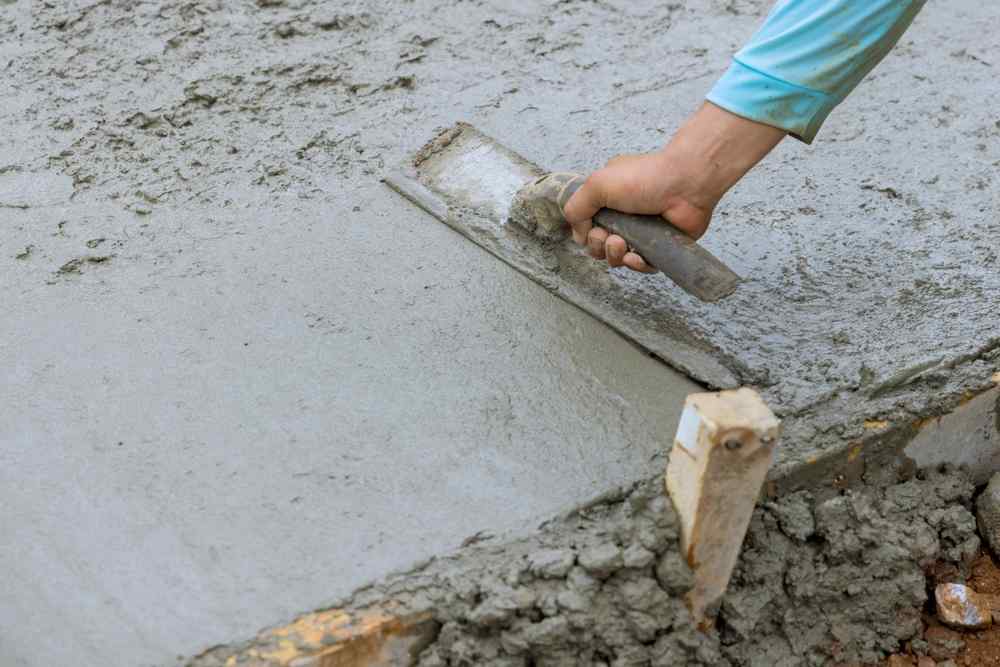
It starts with a conversation about what you’re dealing with and what you want to end up with. Whether that’s a failing retaining wall on a sloped Glenhardie property, a flagstone patio that’s heaved after too many winters, or a new outdoor living space you’ve been putting off for years the first step is understanding the full picture before anything gets priced or planned.
From there, you get a written proposal with a clear scope, a specific timeline, and pricing that doesn’t shift on you mid-project. If the work requires a permit through Radnor Township retaining walls over four feet, fireplaces, structural repairs that gets handled before our crew arrives, not after. Wayne’s permitting process has real requirements, and skipping that step creates problems at resale that no homeowner wants to deal with.
Once the project is underway, one crew sees it through from ground prep to final cleanup. Base preparation, drainage, material selection these aren’t afterthoughts. They’re what determines whether the work holds up in year five or starts showing problems in year two. When the job is done, the space is clean, the work is inspected, and you know exactly what was built and why.
Ready to get started?
Masonry work in Wayne covers a wide range and the right approach depends heavily on what kind of property you have and what it’s dealing with. For the older homes in North Wayne and along the historic downtown corridor, that often means repair and restoration: repointing deteriorated mortar joints, resetting heaved flagstone, stabilizing retaining walls that were built before modern drainage engineering. These aren’t cosmetic fixes. They’re how you stop a manageable problem from becoming a structural one.
For homeowners looking to add or upgrade outdoor living features stone patios, custom walkways, outdoor fireplaces, decorative walls, concrete curbing, decorative gravel installations the focus shifts to design and material selection. Natural bluestone and Pennsylvania fieldstone are the right choices for this climate, with absorption rates that hold up through freeze-thaw cycling rather than spalling and cracking within a few years. Cheaper materials fail. In a community where property values routinely exceed a million dollars, that’s not a trade-off worth making.
Concrete curbing defines landscape beds cleanly, controls water flow on sloped properties, and cuts down on the ongoing maintenance that comes with undefined edges. Decorative gravel, when installed correctly with proper edging, weed barrier, and drainage consideration, stays where it belongs and complements the natural stone character common throughout Wayne’s neighborhoods. Every service we offer is built around what your specific property actually needs not a catalog package.
It depends on the scope of work, but Radnor Township has more specific requirements than many surrounding municipalities. Retaining walls over four feet in height require a building permit. Fireplaces, fences, walls, and structural repairs also require permits. And unlike some townships where a state Home Improvement Contractor registration is sufficient, Radnor Township requires contractors to be licensed directly with the township that’s a separate step beyond state credentials.
When you work with us, permit handling is part of the project. You don’t have to research what’s required, submit applications, or track down the township’s Community Development Department on your own. That gets done before our crew starts, which protects you legally and ensures there are no issues when you eventually sell the property. Unpermitted work in a market like Wayne where homes are scrutinized closely during high-value transactions is a liability worth avoiding.
Masonry pricing in the Delaware County and Main Line market generally runs higher than national averages typically 15 to 25 percent above the national baseline, reflecting both local labor costs and the material standards that hold up in this climate. For natural stone patio installation in Wayne, you’re generally looking at $40 to $50 per square foot installed. Masonry wall work runs roughly $34 to $47 per square foot. Retaining walls start around $20 to $25 per square foot at the baseline, with more complex engineered walls on sloped properties running higher.
What matters more than the per-square-foot number is what’s included. A lower quote that skips proper base preparation, uses porous materials that won’t survive five Pennsylvania winters, or cuts corners on drainage will cost you more in repairs than the savings were worth. Wayne homeowners tend to understand this distinction the question isn’t just what it costs today, but what it costs over the life of the project.
This is one of the most important questions to ask before any masonry project, and it’s one a lot of contractors don’t address clearly. Pennsylvania and Wayne specifically, which sits at a higher elevation than Center City Philadelphia experiences over 90 freeze-thaw cycles annually. Water infiltrates porous masonry materials, freezes, expands, and progressively widens cracks. Over five to ten years, improperly specified materials don’t just look bad they fail structurally.
Natural bluestone and Pennsylvania fieldstone are the right choices for this environment. Both have absorption rates of around one to two percent, which means they resist water infiltration at a level that holds up through repeated freeze-thaw stress. Concrete pavers vary widely in quality the cheaper end of the market uses materials that absorb significantly more moisture and show it within a few years. For Wayne properties, especially the older homes in the historic neighborhoods, material selection isn’t a preference it’s an engineering decision.
The honest answer is that it depends on what’s causing the problem, not just how bad it looks. A wall that’s leaning or bowing outward is usually a drainage issue hydrostatic pressure building up behind the wall because water has nowhere to go. That can sometimes be addressed with drainage corrections and targeted repairs, but if the wall has been compromised structurally, repair is a short-term fix on a long-term problem.
Cracked mortar joints, loose stones, and surface deterioration are often early-stage issues that can be addressed before they become full replacement conversations. The key is catching them early. In Wayne, where many properties have retaining walls that were built decades ago some before modern drainage engineering was standard practice an annual look at how the wall is holding up after winter is worth the few minutes it takes. If you’re seeing horizontal cracking, significant lean, or water pooling at the base, that’s the point to call someone before the wall becomes a larger and more expensive problem.
Done correctly proper base, right materials, adequate drainage natural stone masonry in Pennsylvania should last 25 to 50 years or more. That’s what the material is capable of when it’s installed the way it’s supposed to be. The historic stone walls and walkways you see throughout Wayne’s older neighborhoods are evidence of that. Many of them have been standing for 80 to 100 years because they were built with the right materials and the right foundation.
What shortens that lifespan dramatically is cutting corners on base preparation, using materials with high absorption rates, or ignoring drainage. A patio installed on an inadequate base will shift and heave within a few winters. A wall built without drainage consideration will fail from hydrostatic pressure long before the stone itself gives out. The labor cost difference between doing it right and doing it cheap is real but it’s small compared to the cost of tearing out and rebuilding work that didn’t hold up.
The practical reason is familiarity with local conditions and requirements. Radnor Township’s permitting process, the specific soil and drainage patterns common to Wayne’s varied terrain, the freeze-thaw reality of a community at this elevation these are things a contractor who works this area regularly understands without being walked through them. A larger regional company sending a crew from two counties away doesn’t carry that context into your project.
There’s also an accountability factor that matters in a community like Wayne. A locally based contractor has a reputation to maintain in the same market where you live. We’ve been working in Delaware County for over 15 years our business is built on referrals from homeowners in communities exactly like this one. That’s a different relationship than hiring a company with no local stake in whether the job goes well. When something comes up after the project is done and occasionally something does there’s a real person reachable by phone, not a customer service queue.
Useful Links