
Hear from Our Customers
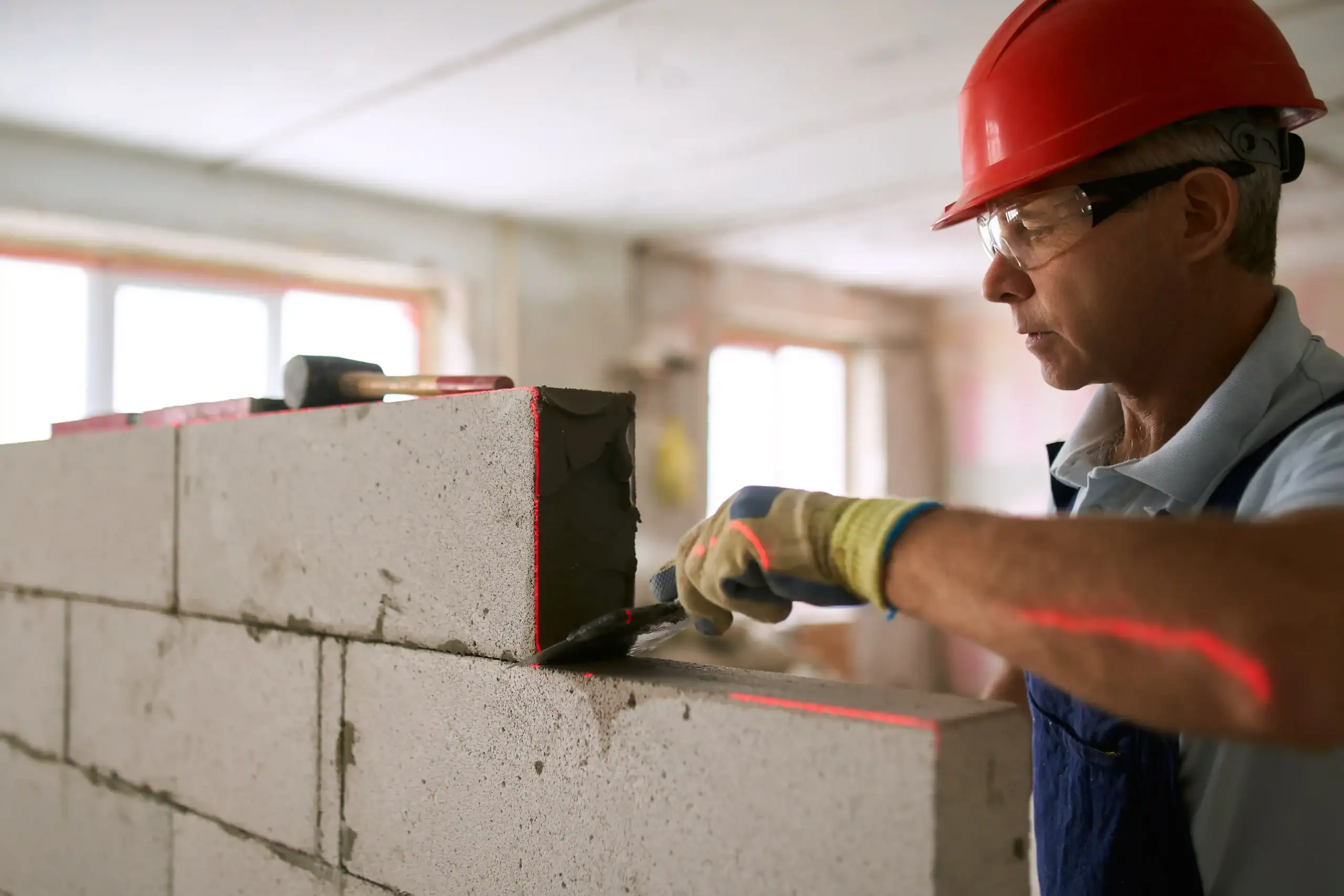
When the walkway stops heaving every spring and the retaining wall actually holds grade, you stop thinking about it. That’s the goal. Not a showpiece just work that does its job quietly for the next 30 years without asking anything from you.
In Village Green-Green Ridge, over 80% of homes were built between 1940 and 1969. That’s not a small detail. It means the original brick walkway, concrete stoop, or mortar-set stone wall on your property has been through six or more decades of Delaware County freeze-thaw cycles roughly 90 of them every year. Water gets in, freezes, expands, and pushes. That process has been running since Eisenhower was president. The visible result is cracked mortar, spalling brick, and heaving concrete. The invisible result is water finding its way into places it shouldn’t.
Getting that fixed and getting it built correctly the second time means choosing materials with low water absorption rates that can actually handle what Pennsylvania winters throw at them. It means a base that drains. It means someone who understands why the original failed and doesn’t repeat the same mistake. When that work is done right, your outdoor space looks better, your property holds its value, and you’re not calling someone again in five years.
We’re based in Aston the same township that contains Village Green-Green Ridge. This isn’t a regional company with a service area map that happens to include your zip code. We work along Pennell Road. We know the Five Points area. We understand the drainage patterns and soil conditions in this part of southern Delaware County because we’ve been working here for over 15 years.
The crew is one team no subcontractors, no rotating faces, no wondering who’s showing up tomorrow. The same people who prep the base are the same people who lay the stone and clean up when they leave. That matters in a community where your neighbors notice the work, and a contractor’s reputation is built one driveway at a time.
We’re a registered Pennsylvania Home Improvement Contractor. Every project starts with a written scope and a specific timeline not a vague window. You know when work starts, when it ends, and who to call if anything comes up.
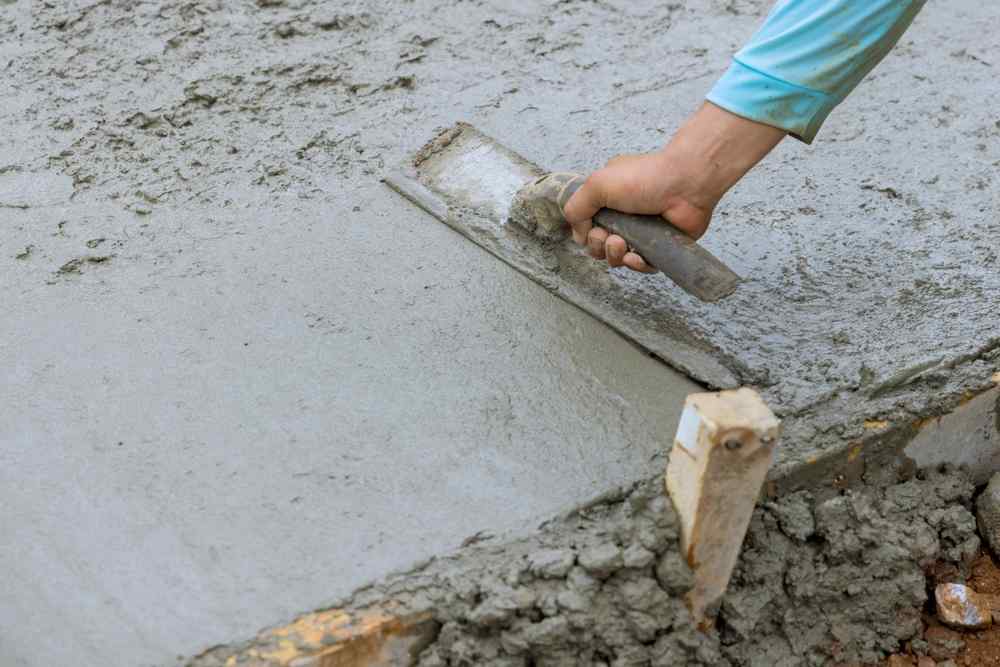
It starts with a conversation not a sales pitch. You describe what’s happening: the walkway that’s been heaving for two springs, the retaining wall that’s starting to lean, the patio you’ve been thinking about for years. From there, we come out, look at the actual site, and give you a written proposal with a real scope and a real timeline before anything gets signed.
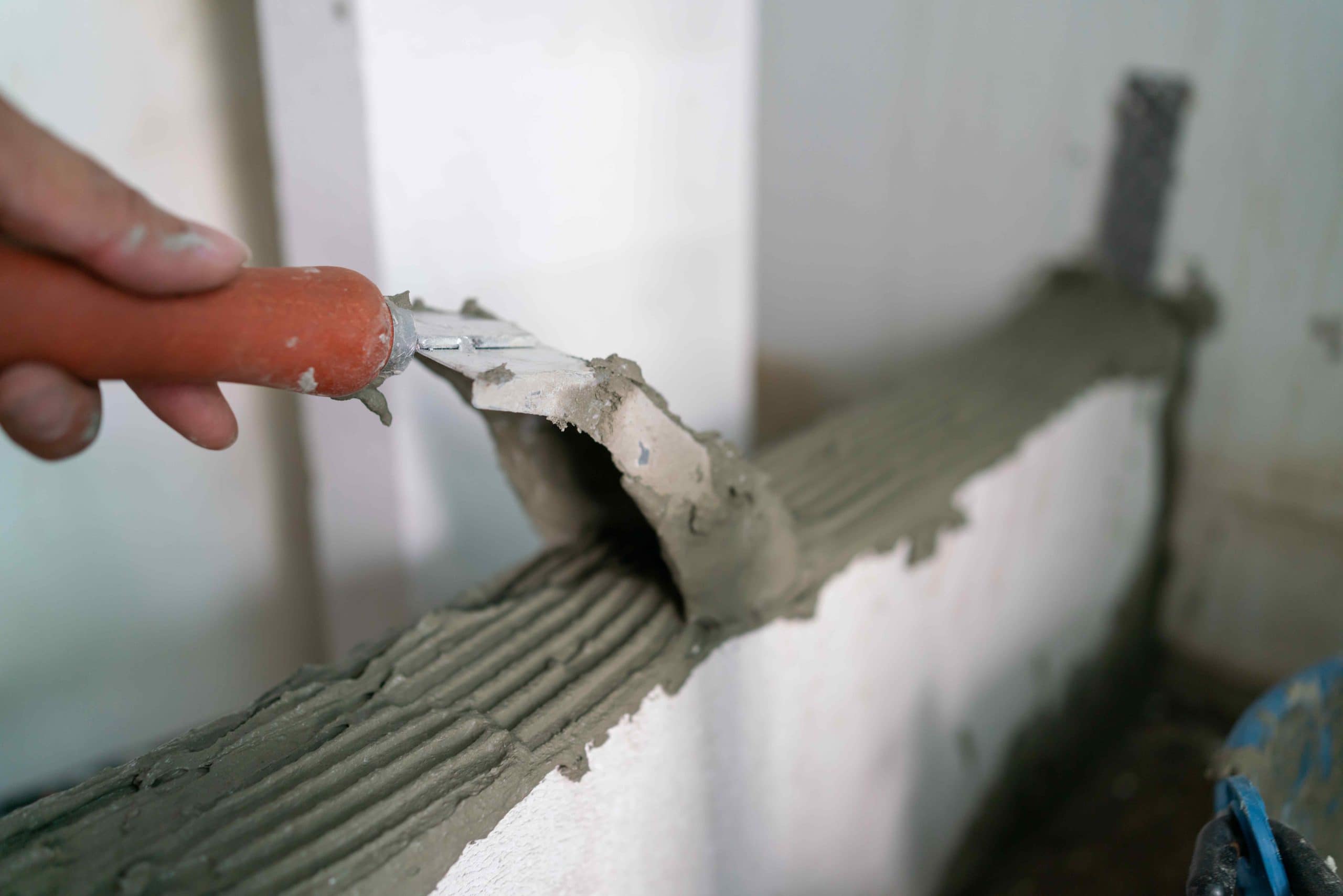
Once the project starts, base preparation comes first and this is where most masonry work either holds up or fails. On older properties in Village Green-Green Ridge, that often means addressing drainage issues that were never properly handled when the home was originally built. The right base depth, the right compaction, the right drainage path. That’s what separates a 30-year patio from one you’re calling about in year six.
If your project involves a retaining wall four feet or higher, Aston Township requires an engineered design before a permit is issued and permits have to be posted before work begins, with inspections scheduled 48 hours in advance. We handle this as a standard part of the process, not an afterthought that delays your project. When the work is done, you get a walkthrough, a clean site, and a direct line to the same person who managed the job.
Ready to get started?
We cover the full range of residential masonry work stone patios, brick walkways, retaining walls, outdoor fireplace features, concrete work, and masonry repair including repointing cracked mortar joints, resetting loose stones, and correcting drainage that’s causing surface failure. We also install concrete curbing and decorative gravel, which together are one of the most practical upgrades for older properties in this area where landscape beds and driveway edges have been informally maintained for decades.
Concrete curbing is worth mentioning specifically because it solves a problem a lot of Village Green-Green Ridge homeowners deal with but don’t always think of as a masonry issue: mulch migrating into the lawn, water running where it shouldn’t, and bed edges that need re-cutting every season. A clean concrete curb handles all of that permanently. Paired with professional decorative gravel installation proper weed barrier, correct depth, edge containment it’s a low-maintenance upgrade that looks right and stays right.
For masonry repair on homes built in the 1950s and 1960s, the work isn’t just cosmetic. Cracked mortar joints are entry points for water. Left alone through another Delaware County winter, they get worse. Our repair work addresses the underlying cause drainage, base failure, or material deterioration not just the surface symptom. Every service is scoped in writing before work begins, and the same crew that starts your project finishes it.
It depends on the scope of the project. Since Village Green-Green Ridge is part of Aston Township not an independent borough all permits and code compliance run through Aston Township’s Building and Code Department. For most standard masonry work like patio installations, walkways, and basic retaining walls under four feet, permits are typically not required. However, any retaining wall four feet or higher in height requires an engineered design before a permit will be issued, and that permit must be posted on-site before work begins.
Inspections in Aston Township also require 48 hours advance notice, which affects project scheduling. A contractor who doesn’t factor that into the timeline will create delays that fall on you. We’ve been operating in Aston Township for over 15 years and handle permit requirements as a standard part of project planning not something that gets figured out after the contract is signed. If your project is in a gray area, the right move is to confirm with Aston Township’s Building and Code Department directly, which we can help facilitate.
The honest answer is that it varies but not arbitrarily. Pennsylvania flat stone typically runs $40 to $50 per square foot installed, and masonry wall installation in this region generally falls between $34 and $47 per square foot based on current material and labor costs. Delaware County pricing tends to run 15 to 25 percent above national averages, so if you’re using a national cost calculator, adjust accordingly.
What drives the range is base preparation. A patio quoted at $8,000 and one quoted at $18,000 for the same square footage are almost always different in what’s happening underneath depth of excavation, drainage provisions, base material quality, and how the contractor handles grade changes. On older properties in Village Green-Green Ridge where original grading was minimal and drainage was never properly engineered, cutting corners on the base is exactly how you end up with a heaving patio in year three. The upfront difference in cost is almost always smaller than the cost of doing it twice.
Delaware County averages around 90 freeze-thaw cycles per year. Every time water gets into a mortar joint, a porous brick face, or a concrete crack and then freezes, it expands by roughly nine percent. That expansion force is enough to fracture the surrounding material and it happens dozens of times every winter. On homes built in the 1950s and 1960s, which make up the majority of the housing stock in Village Green-Green Ridge, the original mortar mixes and masonry materials were not specified to modern durability standards. Six decades of freeze-thaw cycling has done real damage.
The other factor is drainage. A lot of post-war masonry in this area was installed without proper base drainage, which means water pools, saturates, and accelerates deterioration from below. Fixing masonry that keeps failing means addressing the drainage issue not just patching the surface. Materials matter too. Bluestone and Pennsylvania fieldstone both have water absorption rates around one to two percent, which makes them significantly more resistant to freeze-thaw damage than higher-absorption alternatives. Choosing the right material for this climate is part of what separates work that holds up from work that doesn’t.
Concrete curbing is a poured-in-place edging system that creates a permanent border between lawn areas, planting beds, driveways, and walkways. Unlike plastic or metal edging, it doesn’t shift, heave, or need to be replaced. It’s a single installation that defines your property’s edges cleanly for years without ongoing maintenance.
For homeowners in Village Green-Green Ridge where a lot of properties have landscape beds and driveway edges that have been informally maintained for decades concrete curbing solves several problems at once. It keeps mulch contained so it stops migrating into the lawn. It controls how water flows across the surface of the property. And it eliminates the seasonal labor of re-edging beds by hand. When paired with decorative gravel, it creates a finished, low-maintenance look that holds up through Pennsylvania winters without shifting or deteriorating. The cost is generally modest relative to the ongoing time and effort it replaces, and it’s one of those upgrades that improves the look of the property immediately and visibly from the street.
The short answer is: if it’s leaning, it needs attention now. A retaining wall that’s visibly tilting forward is no longer doing its structural job, and the longer it sits that way, the more soil pressure builds behind it. At some point, that becomes a failure not just a repair.
For walls that aren’t leaning but show cracked mortar, separated stones, or surface spalling, the question is whether the base and drainage are still intact. A lot of retaining walls in Village Green-Green Ridge were originally built without proper drainage behind them, which means water pressure has been building for decades. If the drainage is the root cause, patching the face without addressing it is a short-term fix. A proper assessment looks at the full picture wall height, base condition, drainage, and whether the existing structure can be repaired or needs to come out and be rebuilt correctly. In Aston Township, any replacement wall four feet or higher will require an engineered design and a permit, so that’s worth factoring into your planning timeline before spring.
For spring and early summer projects, the realistic answer is two to three months ahead of when you want work to start. Reputable masonry contractors in Delaware County fill their spring schedules quickly often during the winter months when homeowners are planning and the crews aren’t actively installing. If you’re discovering freeze-thaw damage in March and expecting to get on the schedule by April, you’re likely looking at late spring or early summer at the earliest with a contractor who’s worth hiring.
The winter planning window is actually the best time to move on this. Masonry installation generally can’t happen below 40 degrees Fahrenheit because mortar won’t cure properly, so January and February are off-season for installation but prime time for getting quotes, reviewing proposals, and locking in a timeline. For Village Green-Green Ridge homeowners who tend to research carefully before committing which is most people in this community starting that process in winter means your project is scoped, permitted if needed, and scheduled before the spring rush hits. Calling in April when everyone else is calling in April is how you end up waiting until August.
Useful Links
Other Services we provide in Village Green-Green Ridge