
Hear from Our Customers
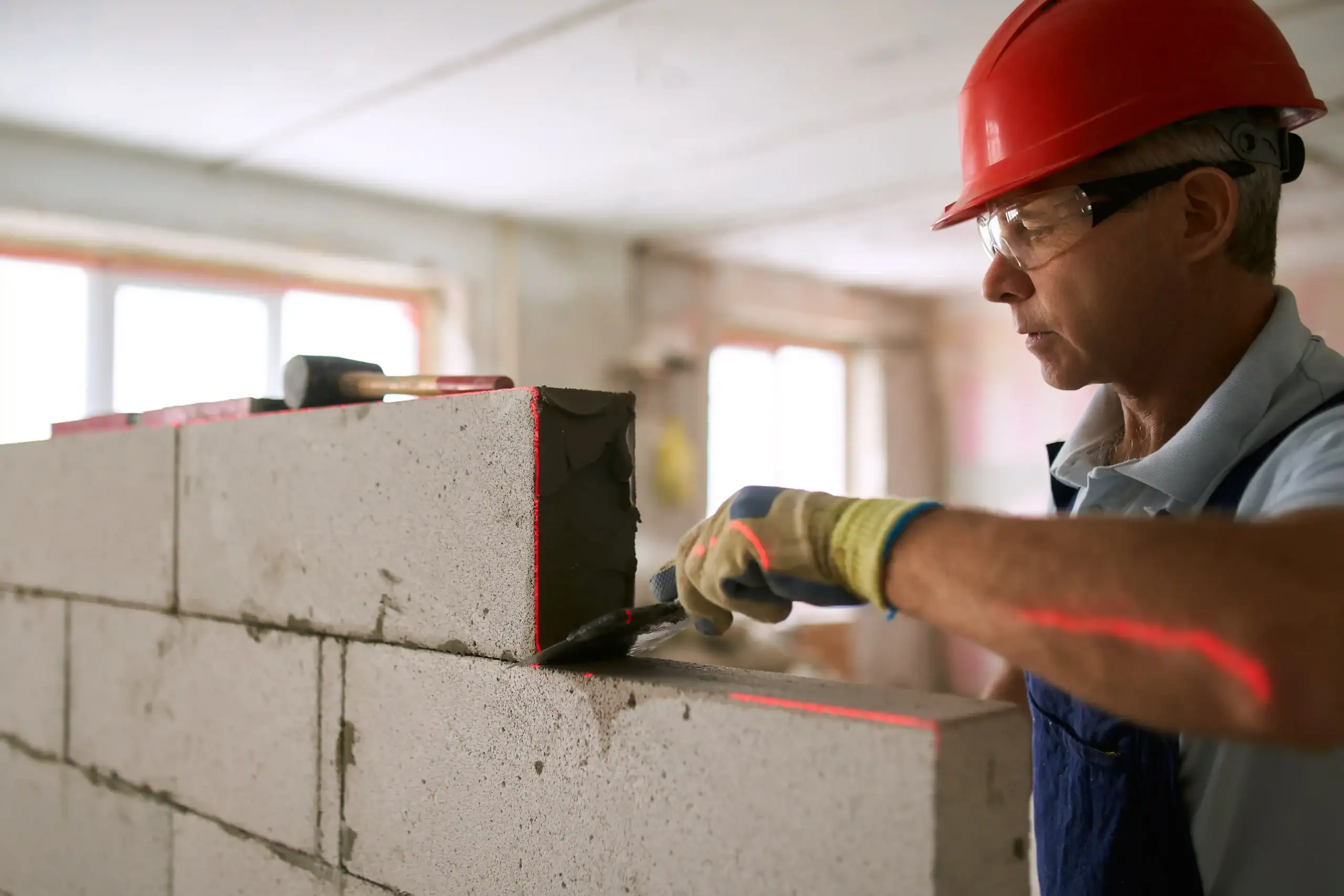
Saint Davids sits in one of the toughest climates for masonry in the mid-Atlantic. Radnor Township averages over 90 freeze-thaw cycles every year and every small crack in a mortar joint, every slightly porous stone, every improperly set paver is a water entry point that gets a little worse with each one. Most homeowners don’t notice the damage until it’s become a much bigger problem. By then, what could have been a repair has turned into a full replacement.
When masonry is installed with the right materials and a proper base, that cycle stops working against you. Natural bluestone and Pennsylvania fieldstone both absorb water at around 1–2%, which means they’re built to handle what Delaware County winters actually throw at them. A well-built stone patio or retaining wall doesn’t just look good on day one it holds up for decades without heaving, cracking, or shifting out of place.
For a home in Saint Davids where properties regularly sell north of $900,000 and architectural character matters that durability isn’t just practical. It’s a real part of protecting what you’ve invested in. Outdoor masonry done right adds usable space, enhances curb appeal, and signals to any future buyer that this property has been taken care of.
We’ve been working in Delaware County for over 15 years. That means we’ve built patios, retaining walls, and walkways on Main Line properties just like yours homes with history, architectural character, and owners who care deeply about how the finished product looks and lasts. We’re based in Aston, PA, which puts us right in the county we serve. We know Radnor Township’s permit requirements, we know what the soil and grade conditions look like in Saint Davids and surrounding communities, and we know what Main Line homeowners expect from a contractor.
What sets us apart isn’t a tagline it’s the way we work. One experienced crew handles your project from excavation through final cleanup. No subcontractors. No handoffs. No one showing up who doesn’t know your project. Renato, the owner, is accountable for every job we take on, and that accountability doesn’t end when the last stone is set.
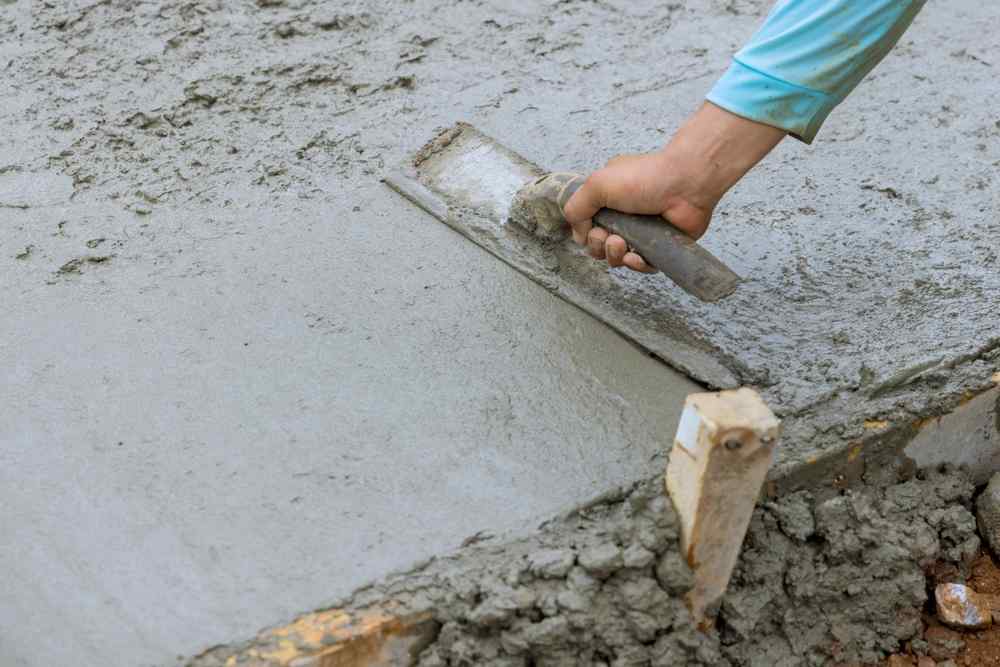
It starts with a conversation about your property, what you’re trying to accomplish, and what’s actually feasible given your lot’s grade, drainage, and existing features. Saint Davids properties often come with mature landscaping, established gardens, and rolling terrain that requires real planning before a single shovel goes in the ground. We look at all of it before we give you a number.
From there, you get a written proposal with a clear scope and a timeline you can hold us to. If your project requires a permit through Radnor Township which is the case for retaining walls over four feet, significant grading work, or impervious coverage over certain thresholds we handle that process as part of the job. You shouldn’t have to figure out what permits you need after a contractor has already started digging.
Once work begins, the same crew that planned the project is the crew on site every day. We protect your existing landscaping, contain debris, and don’t leave your property a mess at the end of each day. When we’re done, the site is clean, the work is solid, and you’re not left wondering who to call if something comes up later. That part doesn’t change.
Ready to get started?
Masonry work in Saint Davids isn’t one-size-fits-all. The housing stock here ranges from century-old stone colonials in the South Wayne Historic District to mid-century homes near the Radnor Trail, and each one has its own architectural vocabulary. A material that looks right on one property can look completely out of place on another. We start every project by understanding what your home already says and making sure the new work fits into that conversation naturally.
The services we deliver include stone patios, brick walkways, retaining walls, outdoor fireplaces, masonry repair and repointing, concrete curbing, and decorative gravel installation. For properties in or near Radnor Township’s recognized historic resource districts including the Saint Davids areas identified in the township’s historic survey we pay close attention to period-appropriate materials and finishes that respect the character of the streetscape and the home itself.
Every project also accounts for what’s happening below the surface. Proper base depth, aggregate compaction, and drainage design are what separate masonry that lasts 30 years from masonry that needs attention in five. You won’t see that work once the stones are set, but it’s the most important part of what we do and we’re happy to walk you through it before you ever sign anything.
In most cases, yes and it depends on the scope of your project. Radnor Township requires permits for retaining walls over four feet in height, and any new or replacement impervious coverage over 499 square feet triggers stormwater management requirements. If your project involves significant grading or excavation, a grading permit may also be required, along with a detailed site plan showing existing and proposed coverage.
Beyond permits, Radnor Township requires all contractors to be licensed with the township before performing any work this is a separate requirement from the state-level PA Home Improvement Contractor registration. If a contractor you’re considering hasn’t confirmed their Radnor Township licensing, that’s worth asking about before you sign anything. We handle the permitting process as part of every project, so you’re not left figuring out what’s required after work has already started.
The biggest factor in material performance here is water absorption. Delaware County averages over 90 freeze-thaw cycles per year, which means any material that absorbs water readily is going to deteriorate mortar joints crack, surfaces spall, and pavers start to shift. Natural bluestone and Pennsylvania fieldstone both absorb water at around 1–2%, which puts them well within the range that handles freeze-thaw stress without breaking down.
Concrete pavers can also perform well if they’re manufactured to low-absorption specs and installed with a proper base and drainage. What matters just as much as the material itself is what’s underneath it base depth, aggregate type, and compaction all determine whether a surface stays level and intact through years of seasonal movement. We spec materials and base systems together, not separately, because one without the other is how you end up with a patio that looks fine in year one and needs work by year five.
It depends on how far along the failure is and what caused it. A leaning retaining wall is almost always a drainage problem at its root water builds up behind the wall, the soil becomes saturated, and the pressure eventually overcomes the wall’s ability to hold. If the wall is caught early enough, resetting and re-engineering the drainage behind it is often a viable repair. If the wall has shifted significantly or the base has failed, a full rebuild is usually the more cost-effective long-term answer.
In Radnor Township, retaining walls over four feet require a permit, and any rebuild of a failing wall should include proper drainage engineering not just resetting the stones. We assess the drainage situation first, because fixing the wall without fixing what caused the failure means you’ll be dealing with the same problem again in a few years. We’ll tell you honestly whether a repair makes sense or whether a rebuild is the better investment.
Spring is the busiest season by a significant margin. Homeowners come out of winter, see the freeze-thaw damage to their walkways and retaining walls, and start calling all at the same time. Reputable masonry contractors in the Saint Davids and Radnor Township area typically book two to three months out during peak spring season, which means if you’re hoping for April or May work and you call in April, you’re often looking at June or July at the earliest.
The best time to reach out is late winter January or February when we’re in planning mode and can schedule your project for the spring window you actually want. Fall is the other window worth knowing about: we can typically fit projects in through October, but masonry work needs to be completed before sustained temperatures drop below 40 degrees, because that’s the lower limit for mortar to cure properly. If you’re thinking about a project, earlier contact always gives you more options.
Yes but it requires intentional material selection and an understanding of what the home’s original construction actually used. Saint Davids has homes dating back to the late 19th and early 20th centuries, and the South Wayne Historic District adjacent to the community is listed on the National Register of Historic Places. Radnor Township’s historic survey also identifies Saint Davids-area districts with their own recognized character. For properties in or near these areas, masonry work that uses incompatible materials the wrong stone type, the wrong mortar color, or a modern paver that clashes with the original construction can affect both the home’s aesthetic integrity and its long-term value.
Period-appropriate work means matching the existing stone species and finish where possible, using mortar mixes that are compatible with original materials, and designing new features walkways, steps, retaining walls in a way that complements rather than competes with the home’s existing character. We’re familiar with what these properties typically require, and we’ll flag any HARB review considerations before the project starts, not after.
It varies based on the scope, materials, and site conditions but to give you a realistic starting point, natural stone patio installation in this area typically runs $40–$50 per square foot installed, and retaining walls generally range from $20–$47 per square foot depending on material and engineering requirements. In the Saint Davids and broader Radnor Township market, actual pricing tends to run 15–25% above national averages, reflecting local labor costs, the premium materials appropriate for Main Line architectural styles, and the permitting and base preparation work that proper installation actually requires.
What we’d caution against is using price as the primary filter. A quote that comes in significantly lower than others usually means something is being skipped base depth, drainage engineering, or permit compliance. On a property worth $900,000 or more, the cost of fixing masonry that was done wrong is almost always higher than the money saved on the original quote. We give you a written proposal with a clear scope so you know exactly what you’re getting and why it’s priced the way it is.
Useful Links
Other Services we provide in Saint Davids