
Hear from Our Customers
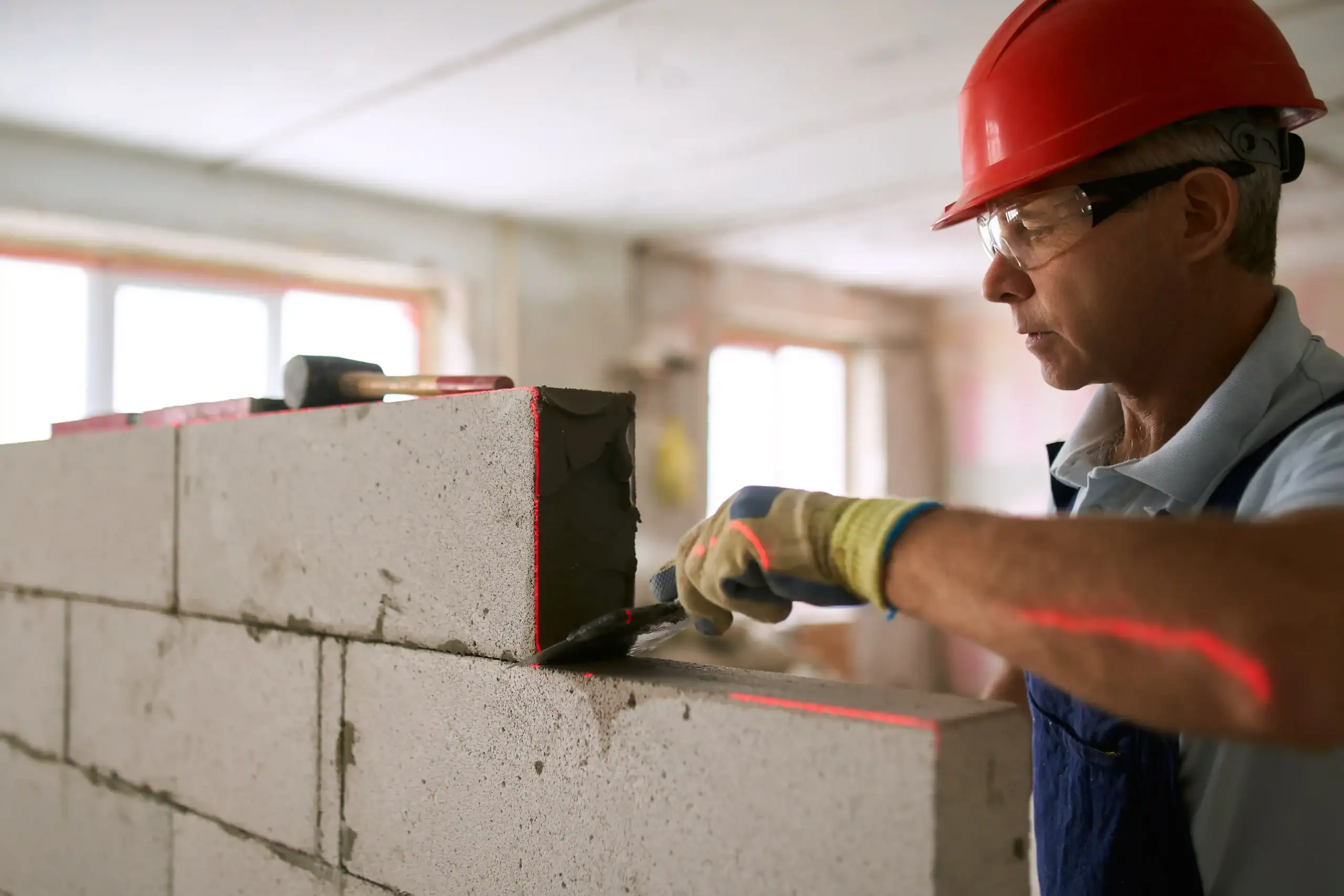
A well-built patio or retaining wall doesn’t just look better it makes your property actually usable. That slope in the backyard stops being a problem you work around and starts being a defined, functional space. The cracked walkway that’s been a liability since last winter becomes something you’re proud to walk guests down.
For homeowners in Middletown Township, that matters more than it might somewhere else. The terrain here shaped by Ridley Creek to the east and Chester Creek to the west creates naturally sloped lots throughout the township. Without proper grading and structural support, those slopes erode, water pools, and retaining walls fail before they should. When we engineer the base correctly and build drainage into the design from day one, the work holds.
Delaware County averages over 90 freeze-thaw cycles a year. Every time temperatures cross the freezing point, water inside porous materials expands and breaks things down from the inside out. The right material selection natural bluestone and Pennsylvania fieldstone with water absorption rates under 2% makes the difference between a patio that lasts 30 years and one that starts spalling by year four. That’s the whole ballgame.
We’re based in Aston directly adjacent to Middletown Township, sharing the Chester Creek corridor that runs along your western border. This isn’t a contractor expanding into new territory. We’ve been working in this specific corner of Delaware County for over 15 years, on properties with the same soil, the same slopes, and the same winters you’re dealing with in Middletown.
We know the Rose Tree Media neighborhoods, the older homes near Elwyn and Bortondale, the newer builds around the Promenade at Granite Run, and the permit requirements at the township offices on Pennell Road. That local familiarity isn’t a selling point it’s just what happens when you’ve been doing this work in one place long enough to know it well.
Every project stays with one experienced crew from start to finish. No subcontractor handoffs, no gaps in accountability, no wondering who to call when something needs attention.
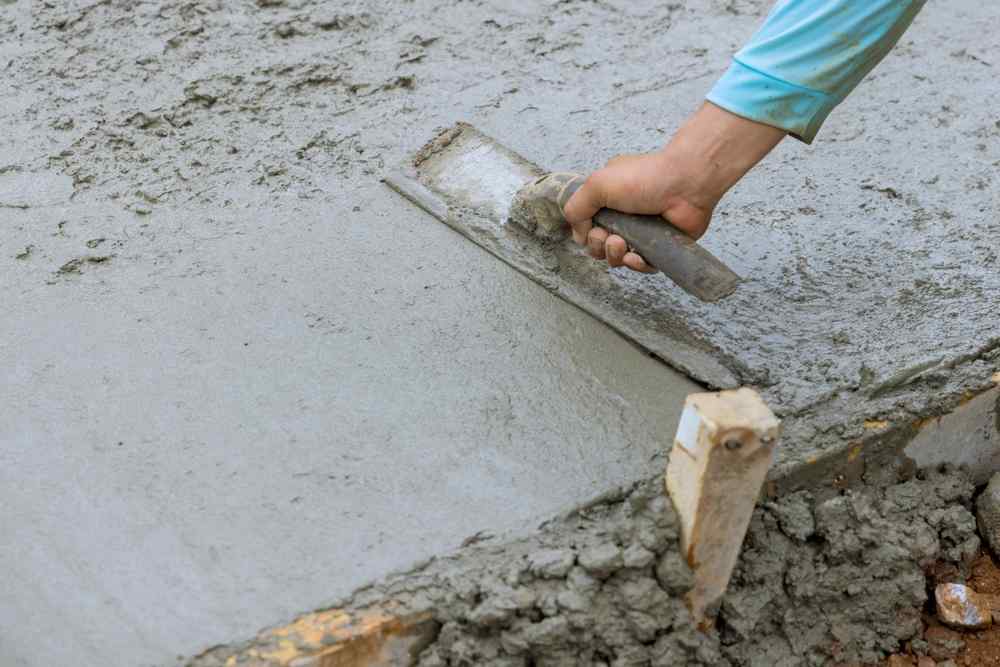
It starts with a site visit. Before anything is quoted, we look at your actual property the grade, the drainage patterns, what’s already there, and what the ground is doing. In Middletown, that first assessment matters more than most places because of the topography. A retaining wall on a sloped lot near Glen Riddle needs a different approach than a flat patio installation in a newer Middletown Crossing subdivision home.
From there, you get a specific proposal with a defined scope, materials, and a timeline. Not a vague estimate that shifts once work starts. Middletown Township requires that structural masonry work retaining walls, footings, foundations goes through the Building and Planning Department, and all contractors must have current liability and workers’ compensation insurance on file before any permit is issued. We handle that before a shovel hits the ground.
Once work begins, the same crew that assessed your property is the one building it. Inspections are scheduled at the right stages, work moves according to the timeline in your proposal, and you’re not left wondering what’s happening. When the job is done, the site is cleaned up and the work is ready to use.
Ready to get started?
The bulk of the masonry work we do in Middletown falls into a few categories. Stone and brick patios are the most common homeowners in established neighborhoods like Willowbank, The Hermitage, and Riddlewood want outdoor living space that fits how they actually use their property, not a generic slab dropped in the backyard. Retaining walls are a close second, driven by the sloped terrain throughout Middletown Township. A wall that isn’t properly engineered with drainage behind it will lean or fail and in Middletown’s creek-adjacent neighborhoods, that’s not a hypothetical.
Walkways, concrete curbing, outdoor fireplace features, and decorative gravel installations round out the residential work. Concrete curbing in particular is useful for Middletown’s more established properties it defines bed edges, keeps mulch where it belongs, and reduces the ongoing maintenance that comes with undefined garden borders. Decorative gravel done professionally means the right weed barrier, the right edging, the right depth for drainage not a weekend DIY that looks fine for one season and becomes a mess by the next.
Masonry repair is also a significant part of our work here. Older homes near Elwyn and Bortondale have stone foundations and brick features with mortar joints that are decades old. Repointing before those joints fail is far less expensive than dealing with the water damage that follows if you wait.
It depends on what’s being built. Middletown Township’s Building and Planning Department does not require a permit for nonstructural patios meaning a ground-level patio installation without structural elements can typically move forward without one. However, structural work retaining walls, footings, foundation walls requires a building permit and mandatory inspections at specific stages of the project.
There’s also an insurance requirement specific to Middletown Township: all contractors must have a current Certificate of Insurance for both liability and workers’ compensation coverage on file with the township before any permit is issued. That means an uninsured contractor literally cannot pull a legal permit here. If a contractor suggests skipping the permit process on structural work, that’s a problem it can result in fines, required demolition, and complications when you sell the property. We know the township’s requirements upfront, which saves you from those headaches later.
Most residential patio installations in Middletown take between three and seven days, depending on size, material, and site conditions. Retaining walls vary more a straightforward wall on a moderate slope might be a two-to-three day project, while a larger wall with significant grading, drainage work, and tiered features can run one to two weeks.
The honest answer is that the timeline depends heavily on what’s underneath. Sloped lots near the creek corridors in Middletown sometimes have soil conditions or drainage situations that add a day or two to the base preparation. That’s not something we know until we’re on the property. A contractor who gives you a firm timeline before seeing your specific site is guessing. The right approach is a site visit first, then a timeline that reflects what’s actually there and that timeline should be in writing before work starts.
Delaware County averages more than 90 freeze-thaw cycles per year meaning temperatures cross the freezing point over 90 times between fall and spring. Every one of those cycles pushes water into porous materials, freezes it, expands it, and breaks the surface down from the inside. Over time, that’s what causes spalling, cracking, and surface failure in masonry that wasn’t specified correctly for this climate.
Natural bluestone and Pennsylvania fieldstone are the strongest choices for this region. Both have water absorption rates in the 1 to 2% range, which means they don’t take on much moisture to begin with and what they do take on doesn’t create the same freeze-thaw damage. Concrete pavers vary significantly by manufacturer and density; not all of them are appropriate for this climate. Brick quality matters too softer brick absorbs more water and breaks down faster. The material conversation should happen before any quote is finalized, because the cheapest material option in year one is often the most expensive decision by year five.
For the Middletown area, Pennsylvania flat stone installation typically runs $40 to $50 per square foot. Masonry wall installation generally falls in the $34 to $47 per square foot range. Retaining walls average $20 to $25 per square foot on the lower end, with more complex walls those requiring significant drainage work, tiered design, or engineered footings running higher. Delaware County pricing typically runs 15 to 25% above national averages, reflecting the cost of living and property values in the region.
For a realistic project scope, a mid-sized patio in a Middletown neighborhood might run $8,000 to $20,000 depending on material, size, and site conditions. A retaining wall project on a sloped lot which is common in the creek-adjacent neighborhoods throughout Middletown Township could range from $5,000 to $25,000 or more depending on length, height, and drainage requirements. These are real investments, and the way to protect them is material selection, proper base preparation, and drainage engineering not finding the lowest quote.
The reliable window for masonry work in Middletown runs from mid-March through November, with April through October being the most consistent conditions. Masonry performs best when temperatures stay between 40°F and 100°F mortar cures correctly, base materials compact properly, and the finished product sets without the risk of freeze damage during installation.
The practical issue is that contractors with strong local reputations book up two to three months in advance for prime spring and fall slots. If you want a patio ready for Memorial Day weekend or a retaining wall finished before fall, the time to call is late winter February or early March at the latest. Waiting until April to start the conversation usually means a June or July start date at the earliest. Middletown’s dual-zone climate also makes the shoulder seasons variable a warm March can be a great installation window, and a cold snap in late October can close the season early. Locking in your slot early gives you the most flexibility.
The most common situation in Middletown’s older neighborhoods particularly around Elwyn, Bortondale, and the mid-century subdivisions built in the 1950s and 1960s is masonry that looks cosmetically rough but is structurally repairable. Cracked or missing mortar joints, loose stones, and surface spalling are often fixable through repointing and resetting rather than full replacement. The key is catching them before water gets in and does the deeper damage.
The situations that typically require full replacement are: a retaining wall that has begun to lean or bow outward (indicating drainage failure or base movement), a patio where the base has shifted enough that individual stones rock or the surface has significant elevation changes, or brick and concrete features where the freeze-thaw damage has penetrated through the material rather than just affecting the surface. A site visit is the only way to know for certain what looks like a cosmetic problem sometimes has a structural issue underneath, and what looks severe is sometimes a straightforward repair. Getting an honest assessment before committing to either path is the right first step.
Useful Links
Other Services we provide in Middletown