
Hear from Our Customers
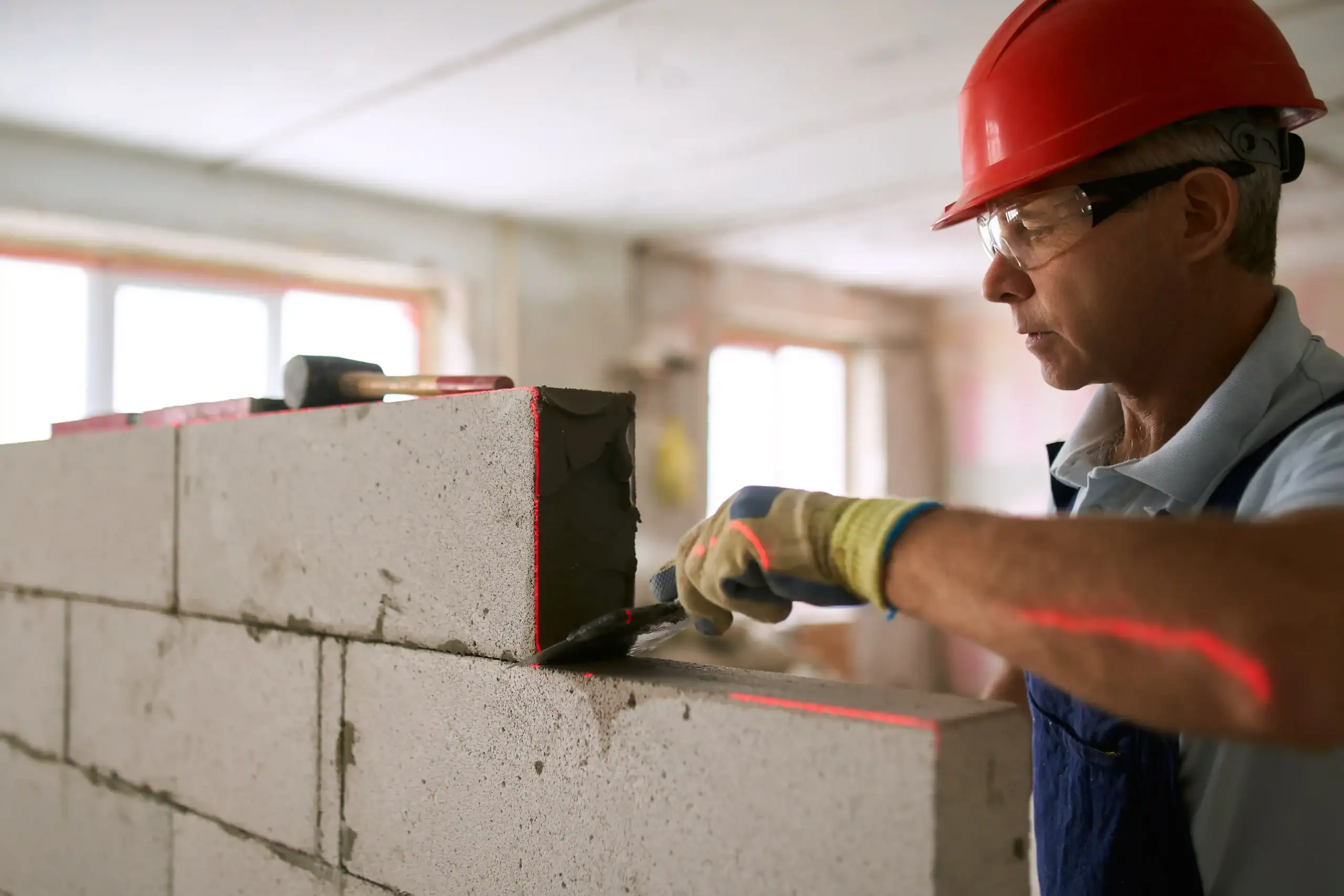
Most of Folcroft’s homes were built in the 1940s and 1950s brick row houses in Delmar Village, early single-families in Old Folcroft and the masonry holding them together is now 65 to 80 years old. That’s not a scare tactic. That’s just math. Mortar has a lifespan, and in a borough that sits right along Darby Creek, where the soil stays wet longer and freeze-thaw cycles hit harder, that lifespan runs out faster than it does in drier, higher-ground communities nearby.
When we complete masonry work correctly, the difference is immediate and lasting. Water stops finding its way into your foundation through cracked joints. Your front steps stop shifting every spring. A retaining wall that was leaning a little more each year finally holds its ground because this time it was built with proper drainage behind it, not just stacked and hoped for the best.
For a row home in Delmar Village, where your front facade is visible to every neighbor and passerby on the block, good masonry work also just looks right. Not flashy right. Clean joints, solid steps, a walkway that doesn’t rock underfoot. That’s what you’re actually paying for, and it’s what well-executed masonry delivers.
We’re based in Aston, PA about five miles from Folcroft and have been doing masonry and hardscaping work across Delaware County for over 15 years. That kind of tenure in this market isn’t common. Most of the complaints you’ll find against masonry contractors in this area follow the same pattern: deposit paid, work starts, communication stops. That’s not how we operate.
Every project runs with one experienced crew from start to finish. No subcontractors handed a job they weren’t part of quoting. No strangers showing up on day three who don’t know the plan. In a tight borough like Folcroft where your job site is also your neighbor’s front yard view that consistency matters more than people realize until they’ve had the other kind of experience.
We’re registered under Pennsylvania’s Home Improvement Consumer Protection Act, which means there’s real legal accountability behind every contract. That’s a baseline requirement a surprising number of contractors in Delaware County quietly skip.
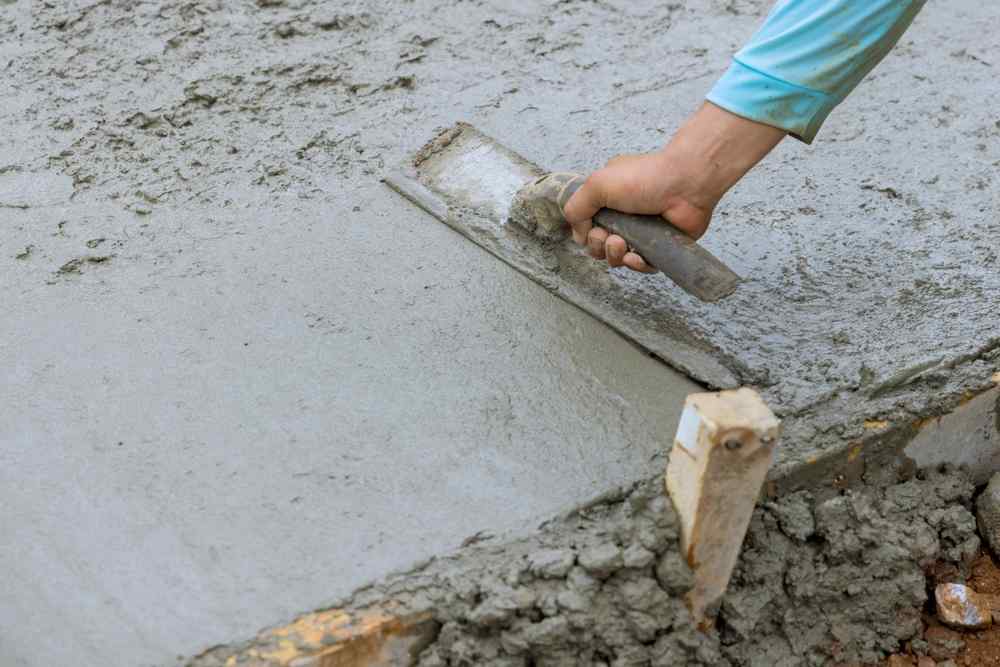
It starts with a site visit. Before any number gets put on paper, we look at what’s actually going on the condition of your existing brick or stone, how water is moving around the area, what the base situation looks like under the surface. In Folcroft, that last part matters. Properties near Darby Creek and Muckinipattis Creek deal with soil saturation conditions that affect how masonry is installed and what drainage needs to be built in. A retaining wall quote that doesn’t account for that isn’t a real quote.
From there, you get a clear scope and a realistic timeline not a range so wide it’s meaningless, but an actual schedule. Spring is the busiest window for masonry work in Delaware County, and reputable crews book out two to three months in advance. If you’re seeing frost damage or crumbling mortar right now, the time to get on the schedule is before everyone else does.
Once the work begins, the same team that assessed your project is the one doing it. We select materials to match your existing brick type where repairs are involved, and specify mortar mix for freeze-thaw performance not just whatever’s on the truck. When the job is done, the site is cleaned, and you’re not left wondering who to call if something comes up.
Ready to get started?
The masonry work we do in Folcroft covers the full range of what these homes actually need. Brick repointing and repair for the mid-century row homes that make up the majority of the borough’s housing stock. Front step replacement and concrete repair for homes where the original 1940s and 1950s concrete has finally given out. Retaining wall installation and repair with proper drainage aggregate and weep holes, not just stacked block for properties along the creek corridor where hydrostatic pressure is a real factor. Stone patios, brick walkways, outdoor fireplaces, and decorative gravel installation for homeowners who want to extend their usable outdoor space without the project turning into a months-long ordeal.
Concrete curbing is worth mentioning specifically for Folcroft’s smaller lots. In a borough where front yards are measured in feet and stormwater management is a documented community challenge under Delaware County’s Act 167 watershed plan, a properly installed concrete curb does more than define a garden bed it directs water away from your foundation. That’s functional infrastructure, not just a finishing touch.
If your project requires a permit through Folcroft Borough retaining walls above a certain height threshold, for example we factor that process into the timeline upfront. No surprises mid-project because someone forgot to check.
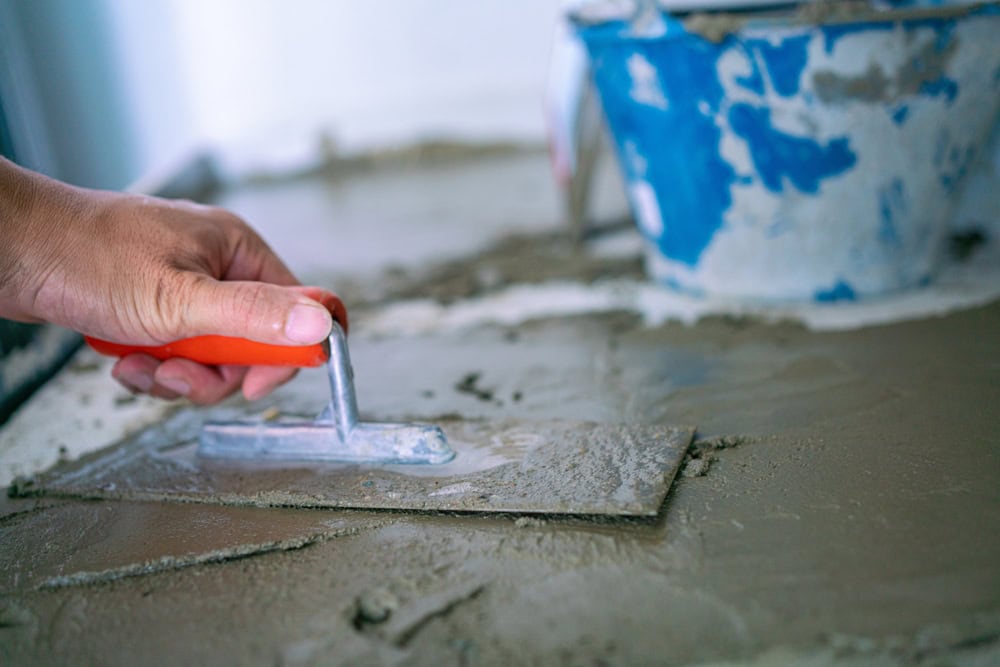
The honest answer is that most Folcroft row homes need repointing, not full brick replacement and a contractor who tells you otherwise before looking closely at the actual condition of your brick is worth questioning. Repointing means removing the deteriorated mortar from the joints and packing in fresh mortar that’s matched to your brick type. It’s the right call when the bricks themselves are structurally sound but the mortar holding them together has cracked, softened, or started pulling away from the face.
Full brick replacement becomes necessary when the bricks themselves are spalling flaking apart from the face or when water has been getting behind the wall long enough to cause structural damage. In Folcroft’s climate, with 65-plus freeze-thaw cycles a year and the added moisture from Darby Creek proximity, bricks that have been absorbing water for decades without proper joint maintenance are more likely to reach that point. A proper site assessment will tell you which situation you’re actually in, and we’ll show you the difference rather than just hand you a number.
The most common reason retaining walls fail isn’t the wall itself it’s what’s happening behind it. When water builds up in the soil behind a retaining wall and has nowhere to go, the pressure it creates will eventually push the wall forward or cause it to crack and buckle. This is called hydrostatic pressure, and it’s the reason proper drainage installation behind a retaining wall isn’t optional it’s the whole ballgame.
For properties in Folcroft that sit near Darby Creek or Muckinipattis Creek, this issue is more acute. The soil in creek-adjacent areas retains moisture longer, drains more slowly, and is subject to periodic saturation during storm events. A retaining wall installed in these conditions without drainage aggregate, filter fabric, and properly placed weep holes is not going to last. If you’ve had a wall repaired once already and it’s showing the same problems again, drainage is almost certainly what was skipped the first time.
Project length depends on scope. A front step replacement or a repointing job on a row home facade might take one to three days. A full retaining wall installation or a patio build with a proper compacted base runs longer typically one to two weeks for a mid-size residential project. What matters more than the work duration is when you get on the schedule.
In Delaware County, spring is peak season for masonry. Homeowners come out of winter, see the frost damage, and start calling. Reputable crews the ones who actually show up and finish book out fast. If you’re looking at a crumbling stoop or a leaning wall right now, waiting until April to call means you’re likely looking at a June or July start date at the earliest. The fall window, September through October, is the second-best time to schedule mortar cures well in cooler temperatures, and you’ll have the work done before the next freeze season hits.
It depends on the scope of work. Routine repairs repointing mortar joints, replacing a cracked step, patching concrete generally don’t require a permit. But larger projects do. Retaining walls above a certain height threshold typically require a building permit and, in some cases, engineered drawings. Any project that involves significant grading or changes to how stormwater drains off your property may also fall under Delaware County’s stormwater management requirements, since Folcroft is within the Darby-Cobbs Creeks Act 167 watershed plan area.
The practical advice here is straightforward: before any major masonry project starts, confirm current permit requirements with Folcroft Borough directly. Requirements and fee schedules can change, and a contractor who builds permit timelines into the project schedule from the start rather than treating it as an afterthought is going to save you delays and headaches. This is something that gets sorted out in the planning phase, not after the crew shows up.
Yes and Folcroft’s real estate market makes this more relevant than people expect. The borough has seen home values appreciate over 138% in the last decade, putting it in the top 10% nationally for real estate appreciation. That’s a significant equity story for long-tenured homeowners who bought in Delmar Village or Old Folcroft years ago and have watched their property’s value climb.
In that context, deferred masonry maintenance isn’t just a cosmetic issue it’s a liability against that equity. Buyers and appraisers notice crumbling mortar, heaved steps, and failing retaining walls. They discount for them. A home with repointed brick, solid front steps, and a clean concrete walkway signals that the property has been maintained, and that signal has real dollar value in a market where buyers are paying close attention. You don’t have to be planning to sell for this to matter protecting equity is reason enough.
Start with Pennsylvania’s Home Improvement Consumer Protection Act registration. Any contractor doing $5,000 or more in annual residential work in PA is legally required to register with the Attorney General’s Office. This isn’t a technicality it’s a baseline filter that eliminates a significant portion of the unregistered operators who take deposits and disappear. You can verify registration status through the PA Attorney General’s website before you sign anything.
Beyond that, look for contractors who have actually worked in Folcroft or the immediate surrounding boroughs Glenolden, Norwood, Sharon Hill, Collingdale long enough to understand the local conditions. Creek-adjacent soil, mid-century brick construction, and the borough’s specific freeze-thaw exposure pattern are things you learn from working here, not from reading about them. Ask for references from completed projects, ask who specifically will be on your job site, and pay attention to whether they give you a real timeline or a vague range. The contractors worth hiring will answer those questions directly.
Useful Links