
Hear from Our Customers
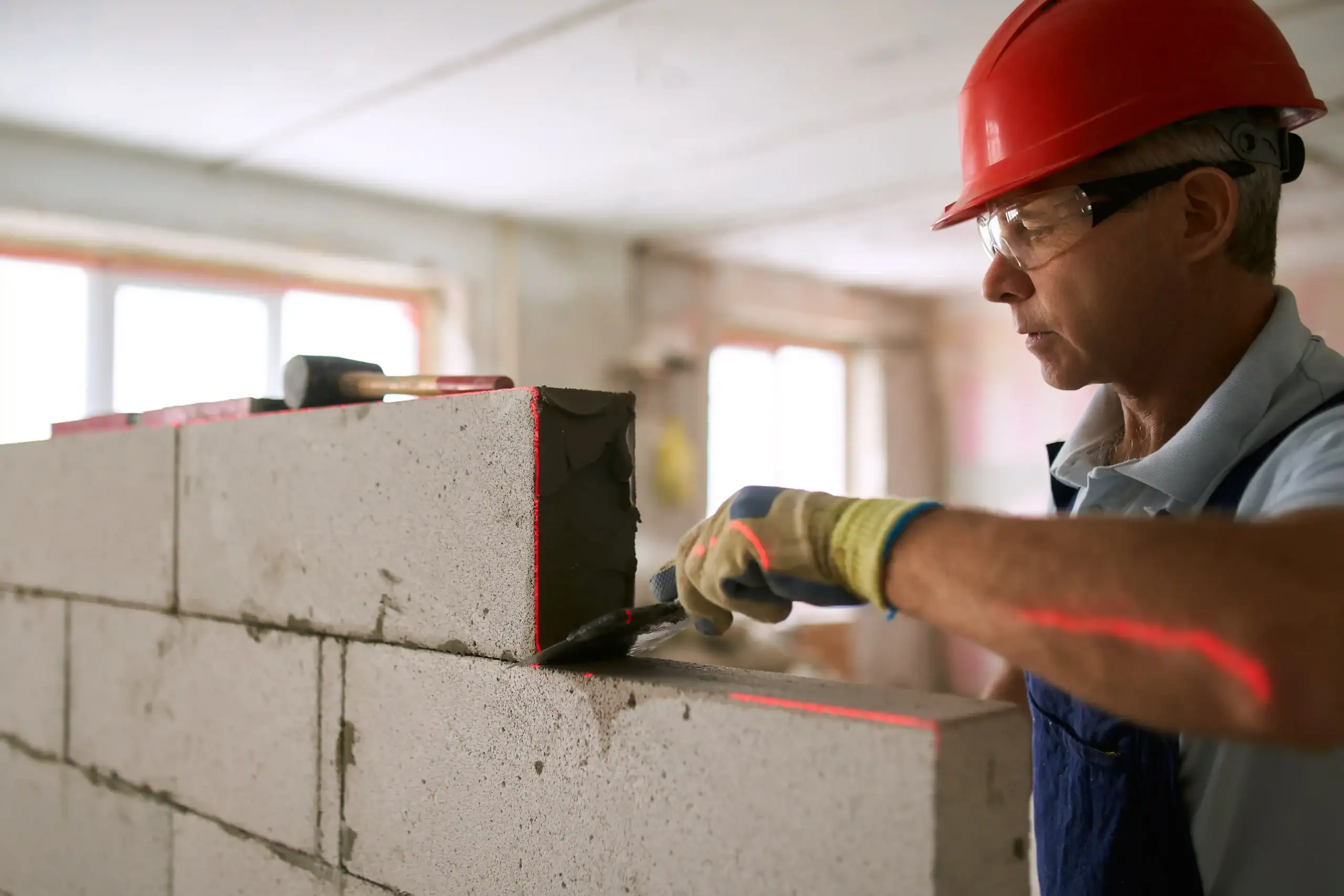
When mortar joints fail on a home built in the 1920s, it’s not just cosmetic. Water gets in, freezes, expands, and quietly tears the wall apart from the inside. Delaware County averages over 90 freeze-thaw cycles a year and in East Lansdowne, where most homes are pushing 80 to 110 years old, that kind of stress adds up fast. Getting the masonry right means stopping that cycle before it becomes a structural problem.
East Lansdowne’s lots are small and the homes sit close together. That means your front steps, your walkway, and your foundation wall are visible every single day by you, your neighbors, and anyone walking to the Baltimore Pike corridor or catching the SEPTA line. A crumbling front stoop isn’t just a safety issue. It’s the first thing people see. When it’s fixed properly with the right materials, the right base, the right drainage it holds up through seasons, not just months.
The difference between masonry work that lasts and work that doesn’t usually comes down to what happens before the first brick is ever laid. Base depth, drainage planning, mortar selection for older brick these aren’t visible when the job is done, but they determine whether you’re calling someone back in three years or thirty.
We’ve been working in Delaware County for over 15 years. That’s not a tagline it means our team has seen the housing stock in East Lansdowne and surrounding boroughs, understands the soil conditions, and knows what older masonry actually requires. This isn’t a Philadelphia contractor treating your neighborhood as a secondary market.
Renato runs the operation personally, and that shows up in how jobs are managed. One crew handles your project from the first site visit through the final cleanup no rotating subcontractors, no communication gaps, no wondering who’s responsible when something needs to be addressed. In a borough as tight-knit as East Lansdowne, where word travels and neighbors notice everything, that consistency matters.
East Lansdowne homeowners have dealt with enough contractors who disappear after the deposit clears. We’re a registered Pennsylvania Home Improvement Contractor, fully insured, and have been building our reputation in this county long enough that you can verify it.
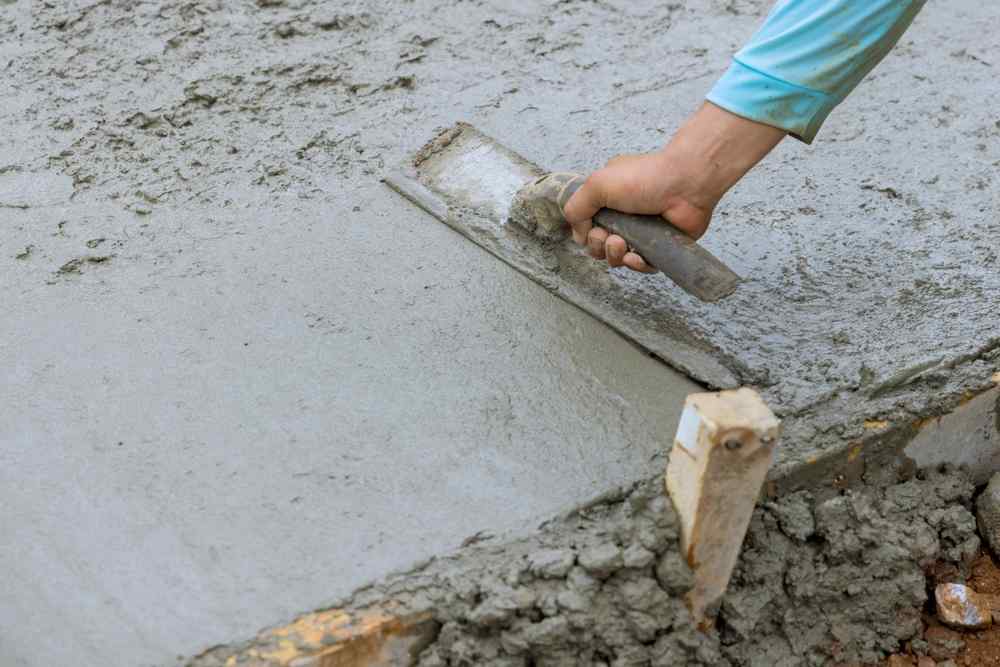
It starts with a real site visit not a phone estimate. In East Lansdowne, where lots are compact and homes are older, the conditions on the ground matter. Settling patterns, drainage issues, the condition of existing mortar, how close the work sits to a property line these things can’t be assessed from a photo. The site visit is where the actual scope gets defined, and where you get a written proposal that explains what’s being done and why.
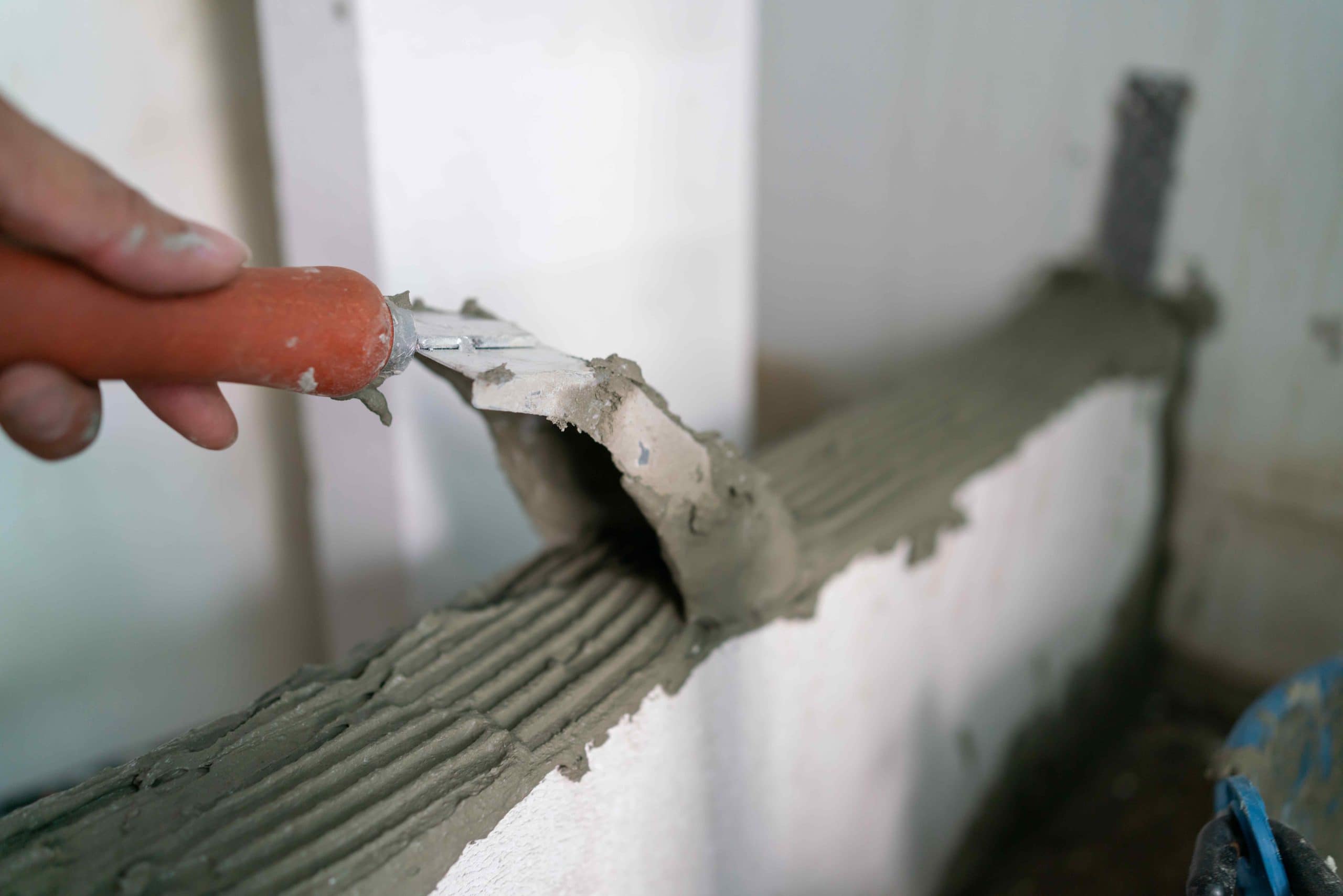
Once the project is scheduled, the same crew that assessed the site is the crew that shows up to do the work. For masonry repair on older homes, that means removing deteriorated mortar to the proper depth before anything new goes in not skim-coating over the problem. For new installation, whether that’s a patio, retaining wall, or walkway, it means building the base correctly for this climate. East Lansdowne Borough requires permits for certain structural work, and we help you understand what applies to your specific project before work begins.
When the job is finished, the site gets cleaned up completely. You’ll know the project is done because it looks done not because the crew stopped showing up.
Ready to get started?
The masonry work we do in East Lansdowne covers the full range of what older homes in this borough actually need. Brick step repair and replacement, front walkways, retaining walls along tight property lines, small rear patios, foundation repointing, and mortar joint restoration are all common here and all handled by the same experienced crew. For homeowners dealing with a narrow side yard or a shaded area where grass won’t grow, decorative gravel installation offers a clean, low-maintenance solution that holds up and actually looks intentional.
Concrete curbing is another service that fits East Lansdowne’s urban lot character well. When your landscape beds are small and close to the sidewalk, proper curbing keeps mulch contained, defines the edge cleanly, and survives the freeze-thaw cycles that destroy cheaper plastic edging. It’s a practical upgrade that makes a visible difference on a property where curb appeal is measured in feet, not acres.
For homes with original Victorian, Craftsman Bungalow, or American Foursquare character which describes most of East Lansdowne material selection matters. Matching existing brick, choosing appropriate mortar color, and preserving the look of a home that’s been part of this borough since the 1910s or 1940s is something we take seriously. A repair that clashes with a 100-year-old facade isn’t a real repair.
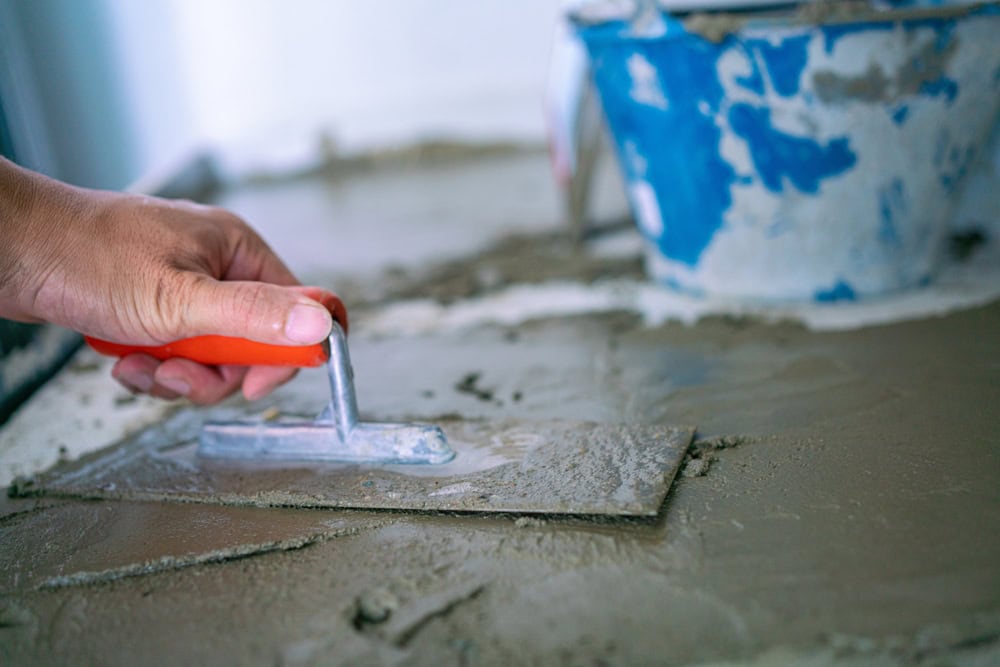
The honest answer is that it depends on the extent of the damage and what’s underneath. Brick steps that are spalling at the edges, have mortar joints that crumble when you press them, or have individual bricks that shift when you step on them are telling you the structure is compromised not just the surface. In East Lansdowne, where most homes were built between 1910 and 1950, original brick steps have been through a century of Delaware County winters. That kind of freeze-thaw exposure works on mortar and brick in ways that aren’t always visible until the damage is well advanced.
A surface patch on structurally compromised steps will fail usually within one or two winters. The right call depends on whether the underlying base and structure are still sound. If the steps have settled significantly, if the base has eroded, or if the brick itself is deeply spalled, replacement is the more cost-effective long-term answer. A site visit is the only way to give you a real answer, and that’s always where the conversation should start.
These terms get used interchangeably, but they’re not exactly the same thing. Repointing is the process of removing deteriorated mortar from the joints between bricks or stones and filling them with fresh mortar. It’s the standard repair for aging masonry where the mortar has eroded, cracked, or pulled away from the brick. Tuckpointing is a more specific technique traditionally, it involves applying two different colors of mortar to create the illusion of very fine joints. In common use today, many contractors use “tuckpointing” to mean the same thing as repointing, so the terminology alone doesn’t tell you much.
What matters more than the label is whether the contractor is removing mortar to the correct depth typically at least three-quarters of an inch before applying new material. Skim-coating new mortar over old failed mortar is a common shortcut that looks fine for a season and then cracks again. On East Lansdowne’s older homes, using the correct mortar mix for historic brick is also important modern high-strength mortars can actually damage older, softer brick by preventing the natural movement the wall needs.
For retaining walls, Pennsylvania state code generally does not require a permit for walls under four feet in height measured from the base to the top but East Lansdowne Borough has its own zoning ordinance, and local requirements can be more specific than the state baseline. The borough is active about enforcing permit requirements for exterior improvements, so it’s always worth a direct call to the East Lansdowne Borough Building Inspector before work begins rather than assuming the state threshold is the final word.
For patios, the permit requirement typically depends on the scope of the work whether it involves grading, drainage changes, or proximity to property lines. On East Lansdowne’s small lots, where a patio might sit close to a side or rear property line, setback considerations can come into play. We help you understand what applies to your specific project before any work is scheduled, so you’re not dealing with a permit issue after the fact.
A well-built masonry patio or walkway in Delaware County should last 25 years or more but that number depends almost entirely on what happens during installation, not just what materials are used. The base preparation is what determines longevity. A properly compacted gravel base at the right depth, combined with appropriate edge restraints and drainage provisions, is what keeps a patio from shifting, settling, or cracking through freeze-thaw cycles. Skip those steps, and even quality materials will fail within a few years.
In East Lansdowne specifically, drainage planning matters a lot. The borough’s dense development and small lots mean water has fewer places to go. A patio or walkway that isn’t graded correctly or doesn’t account for drainage will hold water, accelerate freeze-thaw damage, and potentially direct runoff toward your foundation. Materials also matter natural bluestone and Pennsylvania fieldstone have very low water absorption rates, which makes them particularly durable in this climate. Concrete pavers with proper sealing perform well too. What doesn’t hold up is a thin installation on an inadequate base, regardless of how good it looks on day one.
This is one of the most common and legitimate frustrations homeowners run into. You get three quotes for the same job and they’re hundreds or even thousands of dollars apart, with no clear explanation of why. The gap almost always comes down to what one contractor is including and another is skipping. Base depth and preparation, drainage provisions, material quality, proper mortar selection for older brick, permit compliance these are the invisible line items that drive cost up and that some contractors quietly eliminate to come in lower.
In the Philadelphia metro area and Delaware County specifically, the contractor market includes a wide range of operators from licensed, insured professionals who’ve been working here for years to unlicensed crews who price low because they’re cutting corners on the work or carrying no insurance. When you’re comparing quotes, the lowest number isn’t the deal it appears to be if the base work isn’t included. Asking each contractor specifically what base depth they’re using, how they’re handling drainage, and whether they’re pulling the required permits will tell you a lot more than the bottom-line number alone.
Waiting is almost always the more expensive choice with masonry. The failure mode is progressive a cracked mortar joint lets in water, that water freezes and expands, the joint gets wider, more water gets in, and the damage compounds with every winter. What starts as a $1,500 repointing job can become a $10,000 or $15,000 structural repair if the underlying brick or foundation wall is allowed to deteriorate far enough. In East Lansdowne, where the housing stock is predominantly 75 to 110 years old, that progression is not hypothetical it’s what happens when visible masonry damage gets deferred.
The other consideration is home value. East Lansdowne’s housing market has seen real appreciation in recent years, and the condition of exterior masonry front steps, walkways, foundation walls directly affects both appraised value and buyer perception. A home with crumbling front steps signals deferred maintenance throughout, even if the interior is in great shape. Addressing masonry issues while they’re still repair-scale, rather than replacement-scale, protects the investment you’ve already made in the property.
Useful Links
Other Services we provide in East Lansdowne