
Hear from Our Customers
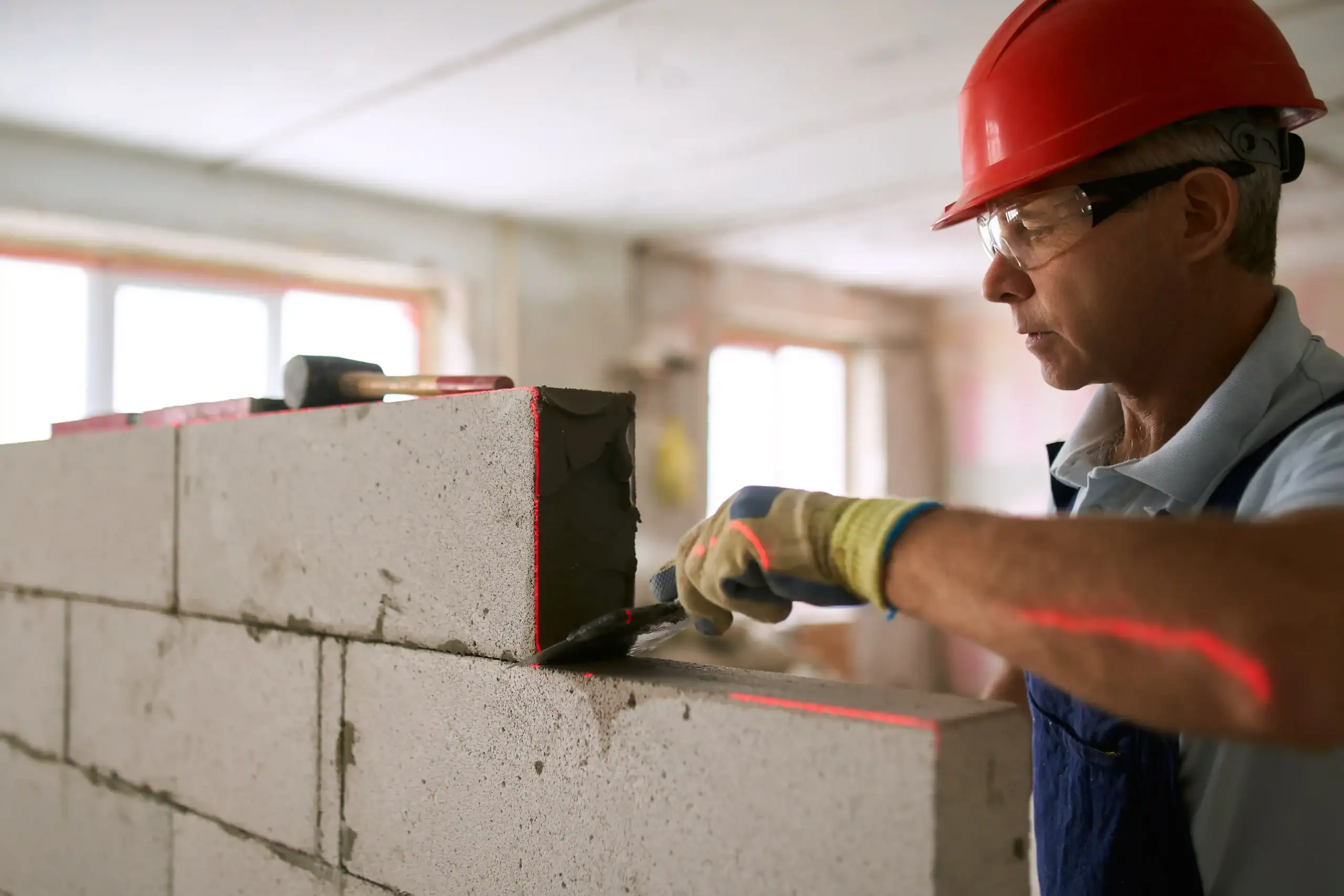
The front steps of a Collingdale row home aren’t just functional they’re the first thing your neighbors see every single day. When the mortar is crumbling, when the bricks are heaving, when the surface is spalling after another hard winter, it’s not just an eyesore. It’s a structural problem that gets more expensive the longer it sits.
Collingdale’s housing stock is almost entirely 1940s-era brick construction, and Delaware County averages more than 90 freeze-thaw cycles a year. That combination is relentless. Water finds its way into a cracked joint, freezes, expands, and widens the gap and by next spring, what was a $500 repointing job has turned into a $4,000 rebuild. The right masonry work stops that cycle before it compounds.
What you’re left with after a properly done job isn’t just something that looks better. It’s a walkway that doesn’t shift, steps that don’t crack after the first frost, a retaining wall that holds its grade through wet Delaware County winters, and a yard that finally works for the size of the lot you actually have. That’s the difference between masonry done to a standard and masonry done to last.
We’ve been doing masonry and hardscaping work across Delaware County for over 15 years, with deep roots in Collingdale and the surrounding communities Sharon Hill, Darby, Folcroft, Aldan, Yeadon. We know the 1940s row homes that define this area, the narrow lots that leave no room for error, and the freeze-thaw wear that shows up every spring without fail.
When you call us, you’re talking to a team that sends one crew from start to finish no subcontractors, no strangers showing up mid-job, no one who doesn’t know what was agreed to. Every proposal includes a written timeline so you know when work starts and when it ends. That matters when your front steps are the only way in and out of your home.
We’re a registered Pennsylvania Home Improvement Contractor, fully insured, and we’ve been operating in Collingdale long enough that our reputation travels the way word does in a borough like this neighbor to neighbor.
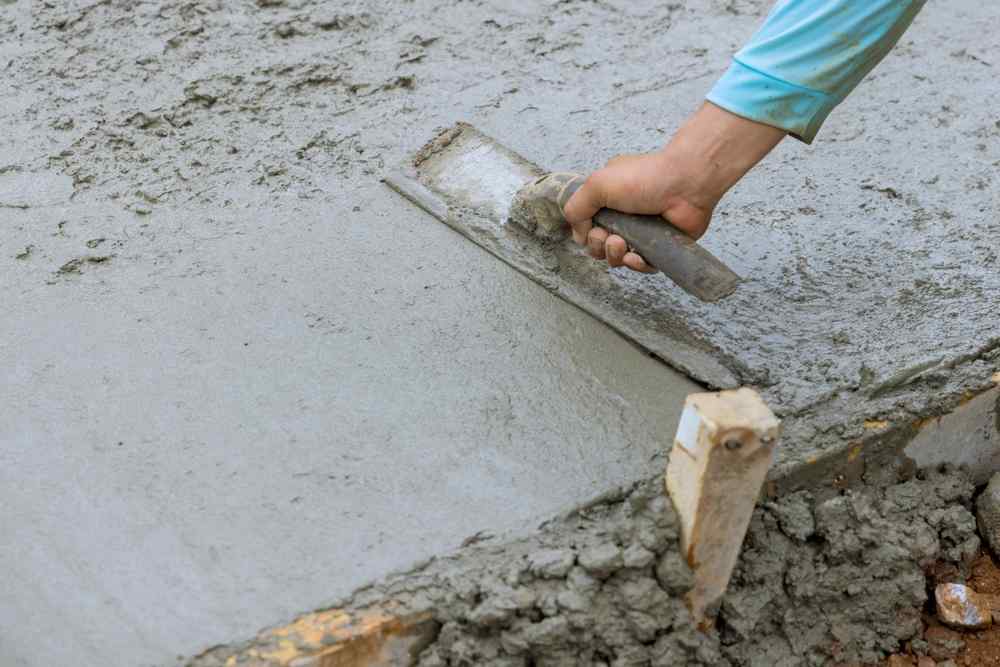
It starts with a site visit. Before anything is quoted, our crew looks at what’s actually there the existing base, the drainage situation, the condition of the surrounding masonry, the grade of the lot. In Collingdale’s dense residential environment, where homes share walls and lots leave almost no margin for error, that assessment matters more than it would on a wide suburban property.
From there, you get a written proposal with a specific project timeline not a vague window, but an actual schedule. If permits are needed, we sort that before work begins. For most masonry repair work and smaller installations, Collingdale Borough’s building code doesn’t require a permit, but anything involving structural changes, significant grade work, or retaining walls above certain height thresholds gets verified with the borough building department first so there are no surprises after the fact.
On the job, our crew handles base preparation, drainage where it’s needed, material installation, and site cleanup. The same team that showed up on day one is there on the last day. When the job is done, the yard is clean. That’s not a bonus it’s just how we work.
Ready to get started?
The masonry needs in Collingdale are specific. Most of the housing here is attached row homes and twins built in the 1940s on compact lots, with brick facades, brick steps, and original mortar that’s been through eight decades of Pennsylvania weather. The services that matter most here aren’t elaborate outdoor kitchens. They’re the practical stuff: repointing deteriorating mortar joints before water turns a cosmetic issue into a structural one, resetting heaving brick walkways, repairing front steps, and building retaining walls that actually account for drainage.
Beyond repair work, we handle full hardscape installations stone patios, brick walkways, concrete curbing, decorative gravel, and outdoor features designed to work within the scale of Collingdale’s residential lots. Concrete curbing is especially practical here: in a small front or side yard, it controls water flow, keeps mulch and gravel where it belongs, and reduces the maintenance burden on a tight space. Decorative gravel is another smart option for the shaded rear and side yards common to row home properties, where grass won’t grow reliably and a clean, low-maintenance ground cover makes a real difference.
Every service we provide includes proper base preparation and drainage consideration the part of the job that’s underground and invisible once it’s done, but entirely responsible for whether the work holds up or fails in three years.
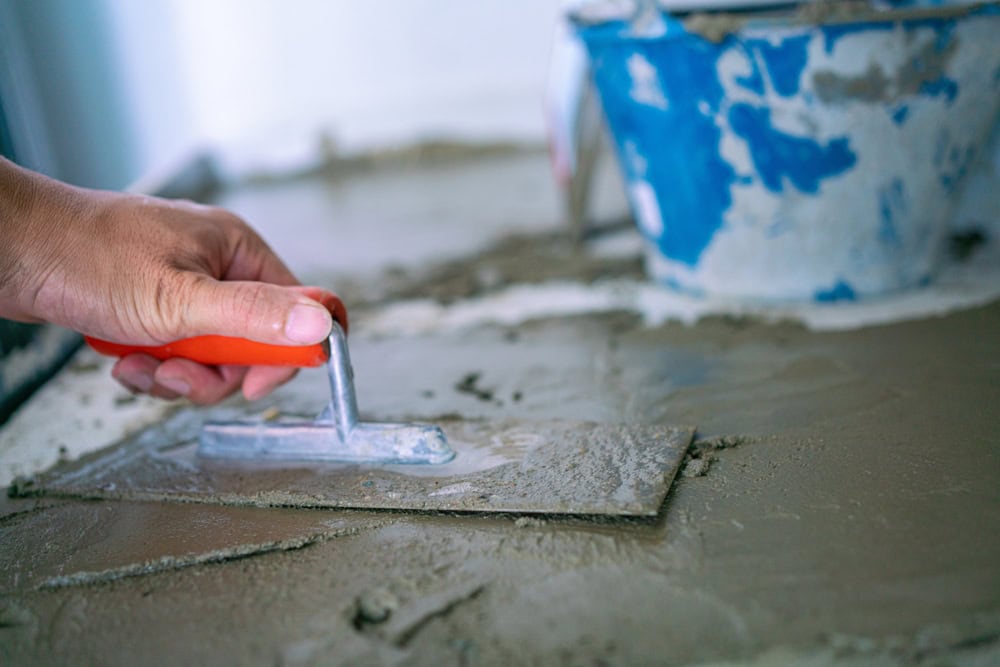
The honest answer is that it depends on what’s underneath. Surface cracks and spalling mortar joints are usually repairable repointing the joints, resetting loose bricks, and sealing damaged surfaces can add years to steps that still have a solid base. But if the base itself has shifted, if there’s significant heaving, or if the structural integrity of the step is compromised, repair work on top of a failed foundation just delays the inevitable.
In Collingdale specifically, where most front steps were built in the 1940s and have been through 80-plus freeze-thaw cycles, the base condition is often the deciding factor. A good masonry contractor will assess the base before quoting anything if someone gives you a price without looking at what’s under the surface, that’s worth paying attention to. The difference between a $600 repair and a $2,500 replacement often comes down to whether the base was properly evaluated before work started.
Costs vary based on scope, materials, and how much prep work is required but here’s a practical range. Mortar repointing on a section of brick facade or a walkway typically runs $300 to $800 depending on the linear footage involved. Front step repair or rebuilding for a standard Collingdale row home entry runs $800 to $3,000 depending on whether it’s a reset-and-repoint job or a full rebuild with new materials. A small retaining wall or new brick walkway installation generally starts around $1,500 and goes up from there based on size and material choice.
What affects cost most in Collingdale’s row home environment is base preparation and drainage. Contractors who skip proper base work come in cheaper on paper but produce results that fail within a few winters. When you’re comparing quotes, ask specifically what’s included in the base compacted aggregate depth, drainage provisions, and material specifications. That’s where the real difference between a $900 quote and a $1,400 quote usually lives.
For most standard masonry repair work repointing mortar, resetting bricks, repairing steps no permit is required in Collingdale. Like-for-like repair and maintenance work generally falls outside the permit threshold. Where it gets more nuanced is with new construction or structural changes: new retaining walls, significant grade alterations, or masonry additions to the home’s structure may require a permit from the Collingdale Borough Building Department.
Pennsylvania state code exempts retaining walls under four feet in height from permit requirements in most cases, but Collingdale’s own zoning code has specific provisions worth confirming before work begins particularly if the wall is near a property line, affects drainage, or supports a load. The safest approach is to verify with the borough building department before any new construction starts. A contractor who pulls the right permits upfront protects you from complications when you sell the property or if a neighbor raises a concern.
Most masonry repair jobs on a standard Collingdale row home front step repair, walkway repointing, small retaining wall reset are completed in one to three days once work begins. Larger installations like a new patio or full walkway replacement typically run three to five days depending on scope and weather. The timeline that matters most, though, is the one from your first call to when work actually starts.
Reputable masonry contractors in Delaware County book out two to three months in advance during peak spring season. If you’re calling in April hoping for April work, most established contractors are already scheduling into June or July. The practical advice is to get your quote in late winter January or February so you’re locked in for a spring start date before the backlog builds. We provide a written project timeline with every proposal so you know exactly when to expect the crew and when the job wraps up.
Repair makes sense when the underlying structure is still sound and the damage is surface-level or isolated. Repointing deteriorated mortar joints, resetting a few loose bricks, patching a cracked surface these are legitimate repairs that extend the life of existing masonry by years when done correctly with the right mortar specification for the existing brick vintage. For 1940s-era brick common throughout Collingdale, using the wrong mortar hardness is actually a documented problem: mortar that’s too hard for older soft brick causes the brick face to spall rather than the joint to wear, which accelerates damage rather than preventing it.
Replacement becomes the right call when the base has failed, when damage is widespread, or when the existing material is too far gone to hold a repair. A full walkway rebuild or step replacement done with proper base preparation and correctly specified materials will outlast a repair-over-failed-base by a decade or more. The goal of any honest assessment is to tell you which situation you’re actually in not to sell you the more expensive option when a repair will genuinely hold.
Yes Collingdale and the surrounding southeast Delaware County communities are squarely in our service area. That includes Sharon Hill, Darby, Folcroft, Aldan, Yeadon, Clifton Heights, and the broader corridor that runs along MacDade Boulevard through this part of the county. We’ve been working in these communities for over 15 years, which means our crew is familiar with the housing stock, the lot configurations, and the specific masonry challenges that come with 1940s-era attached homes in this part of Delaware County.
If you’re in Collingdale and you’re dealing with deteriorating steps, a heaving walkway, a failing retaining wall, or a rear yard that needs a practical hardscape solution, the starting point is a site visit and a written quote. There’s no pressure and no vague verbal estimate just an honest look at what’s there and a clear proposal for what it would take to fix it right.
Useful Links
Other Services we provide in Collingdale