
Hear from Our Customers
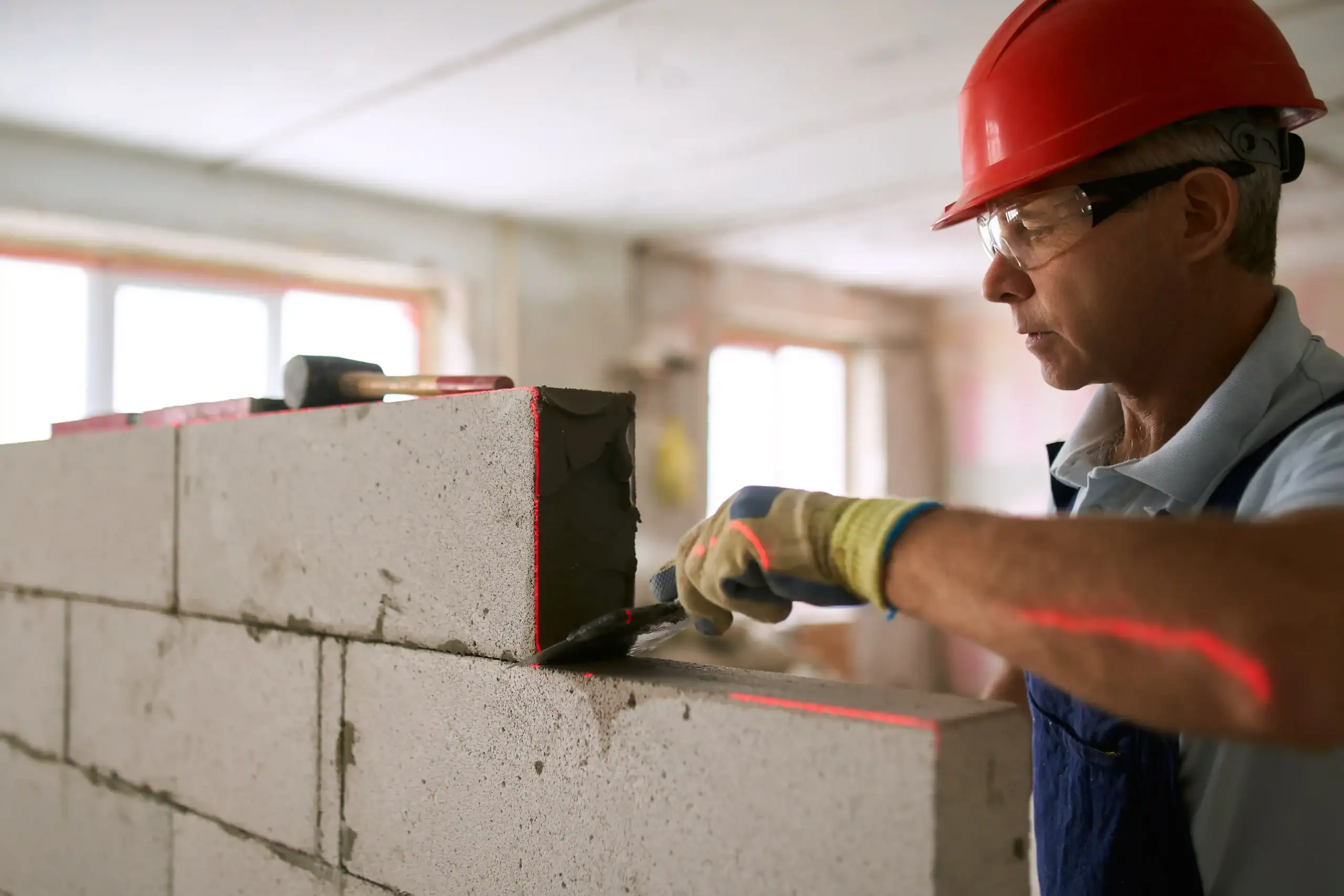
A lot of the homes in Bethel Township were built in the 1980s and 1990s. The patios, walkways, and retaining walls that came with them are now 30 to 40 years old and they’re showing it. Heaved pavers, crumbling mortar joints, walls that lean a little more every spring. That’s not just age. That’s what happens when masonry wasn’t built to handle what Delaware County actually puts it through.
Bethel sits on a rocky clay summit between the Delaware River and Brandywine Creek watersheds, with Green Creek and Naaman’s Creek threading through the landscape. Clay soil holds water. It expands when it freezes and contracts when it thaws. If the base underneath your patio or retaining wall wasn’t excavated deep enough and packed with the right compacted aggregate, you’re going to feel that movement within a few years. It’s the part of the job you never see and it’s the part that determines everything.
When the base is right and the materials are specified for this climate, you get a patio that still looks solid 25 years from now. You stop dealing with the annual spring damage assessment. And you stop wondering whether the retaining wall holding up your backyard slope is going to make it through another winter.
We’re based in Aston a few minutes from Bethel Township and have been doing masonry and hardscaping work across Delaware County for over 15 years. That’s not a marketing number. It means we’ve worked in Bethel’s soil, dealt with these winters, and pulled permits at Bethel Township’s code enforcement office more times than we can count.
Bethel Township requires a zoning permit for every retaining wall, and any wall over four feet needs a registered engineer’s sign-off. We handle that. We know Ordinance No. 164 requires contractor registration with the township annually, and we stay current on it. You shouldn’t have to research local code requirements on top of everything else that’s our job.
One crew handles your project from excavation to final cleanup. No subcontractors, no handoffs, no wondering who’s responsible for what. The same people who start the job are the ones who finish it.
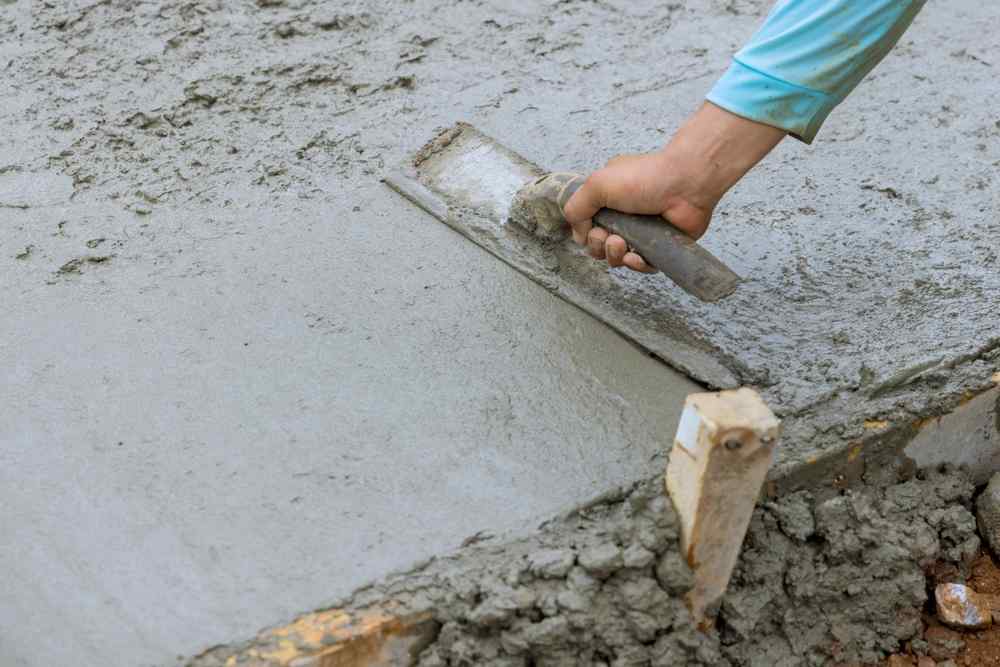
It starts with a site visit. We come out to the property, look at what you’re working with the grade, the drainage, the condition of any existing hardscaping and talk through what actually makes sense. On a lot of Bethel properties, especially those with slope or mature landscaping around Smithfield Estates or Northbrook, that first conversation changes the scope of what a project needs to be. We’d rather tell you that upfront than find out halfway through.
From there, you get a written proposal with a clear timeline and a clear scope. No vague estimates, no verbal agreements. Spring books fast in Delaware County homeowners come out of winter, see the freeze-thaw damage, and everyone calls at once. If you’re planning a project for late spring or summer, reaching out in late winter gives you real options. Waiting until April usually means waiting until July.
Once the project starts, we handle permitting for any work that requires it retaining walls in Bethel always do and we keep you in the loop as we go. When we leave, the site is clean, the work is done, and you have a direct line to us if anything ever comes up after.
Ready to get started?
Masonry work on a large-lot Bethel colonial is a different job than work on a smaller suburban property. The lots here commonly a quarter-acre to over an acre mean more ground to manage, more grade variation, and more drainage to think about. Whether it’s a stone patio for a backyard that finally gets used, a retaining wall that turns a sloped yard into usable space, or a brick walkway that holds up through Delaware County winters, the work has to account for what this specific property actually deals with.
Concrete curbing is something a lot of Bethel homeowners overlook until they’re tired of mulch migrating across a large lawn or re-edging beds every season. We install curbing that defines your landscape cleanly, controls surface water flow, and cuts down on the ongoing maintenance that comes with large, open lawn areas. It’s a small investment relative to what it saves over five or ten years.
Decorative gravel is another service that looks simple but goes wrong fast without the right installation especially on Bethel’s clay soil, which doesn’t drain naturally. Without proper weed barrier, edging, and drainage planning, gravel migrates, compacts unevenly, and creates water problems near adjacent hardscaping. We install it as part of a complete system, not as an afterthought.
Yes Bethel Township requires a zoning permit for every retaining wall, regardless of height. That’s not optional, and it’s not something you can skip and hope nobody notices. If a contractor tells you a permit isn’t necessary for a small wall, that’s a red flag worth taking seriously.
The setback rule matters too. In Bethel Township, a retaining wall must be set back from any property line by a distance equal to the wall’s height. So a three-foot wall needs to sit at least three feet from the line. And if the wall exceeds four feet, a registered engineer has to design it that’s a township requirement, not just a best practice. We handle the permitting process as part of every retaining wall project so you’re not navigating township code on your own.
Pricing in this area runs higher than national averages typically 15 to 25 percent above. For a natural stone patio in Delaware County, you’re generally looking at $40 to $50 per square foot installed. Retaining walls typically run $20 to $47 per square foot depending on the material, wall height, and how much base preparation the site requires.
What drives the higher end of that range in Bethel specifically is the soil. Rocky clay requires deeper excavation and more compacted aggregate base than sandier soils found elsewhere in the county. Skipping that prep saves money on day one and costs significantly more within five years when the work starts to shift and fail. When you’re comparing quotes, ask each contractor what their base preparation includes that question alone will tell you a lot about what you’re actually buying.
The most common cause is inadequate base preparation. Bethel Township’s soil is a rocky clay composition that retains water and moves significantly with freeze-thaw cycles. Delaware County sees roughly 90 or more freeze-thaw cycles in a typical year. If the base underneath your patio wasn’t excavated deep enough and packed with the right compacted aggregate, that soil movement transfers directly to the surface and you see it as heaved pavers, cracked mortar joints, or uneven sections.
The second common cause is poor drainage. Water that pools under or against a patio has nowhere to go except into the base material, where it freezes, expands, and does damage. Proper drainage design integrated into the project from the start, not added as an afterthought is what keeps that from happening. If your current patio is showing these signs, a full base replacement is usually more cost-effective long-term than repeated patching.
Bethel Township requires every contractor working within the township to register under Ordinance No. 164. This is a municipal registration that’s separate from Pennsylvania’s state-level Home Improvement Contractor registration under HICPA you need both. The township registration renews annually, so it’s worth asking any contractor you’re considering whether they’re currently registered with Bethel Township specifically, not just licensed at the state level.
Under HICPA, any contractor doing $5,000 or more in annual residential work in Pennsylvania must be registered with the PA Attorney General’s Office. That registration gives you legal recourse if something goes wrong including the right to demand a refund in writing if no substantial work is performed within 45 days of the contract date. These aren’t obscure protections. They exist because contractor abandonment and deposit fraud are documented, recurring problems in Pennsylvania. Verifying registration before signing anything is a straightforward step that protects you significantly.
Spring is the busiest season by a wide margin. Homeowners come out of winter, see the freeze-thaw damage to their patios and walkways, and everyone reaches out at the same time. Quality contractors in Delaware County book two to three months out during peak season which means if you’re hoping for an April or May start, you realistically need to be having conversations in January or February.
Fall is the second busy window, with homeowners wanting projects wrapped up before the ground freezes. The practical cutoff for most masonry installation in this area is late October to early November, depending on the year. If you miss that window, winter isn’t the right time for new installation but it’s actually a good time to plan, get a site visit done, and lock in your spring slot before the rush. Reaching out in the off-season usually means better scheduling flexibility and more time to get the design right.
Both can work well in Delaware County’s climate if they’re installed correctly, but they behave differently and suit different situations. Natural flagstone Pennsylvania bluestone in particular has a water absorption rate of around one to two percent, which makes it highly resistant to the freeze-thaw spalling that destroys lower-quality materials over time. It has a natural, irregular look that fits well with the colonial-style homes common throughout Bethel Township, and it tends to age gracefully rather than looking dated.
Concrete pavers are more uniform, which some homeowners prefer for a cleaner, more geometric layout. They’re also easier to replace individually if one section shifts or cracks. The tradeoff is that manufactured pavers vary significantly in quality lower-grade pavers have higher absorption rates and don’t hold up as well through Bethel winters. Whichever material you choose, the base preparation underneath matters more than the surface material itself. A well-built base with proper drainage will outperform a premium material sitting on a poorly prepared sub-base every single time.
Useful Links