
Hear from Our Customers
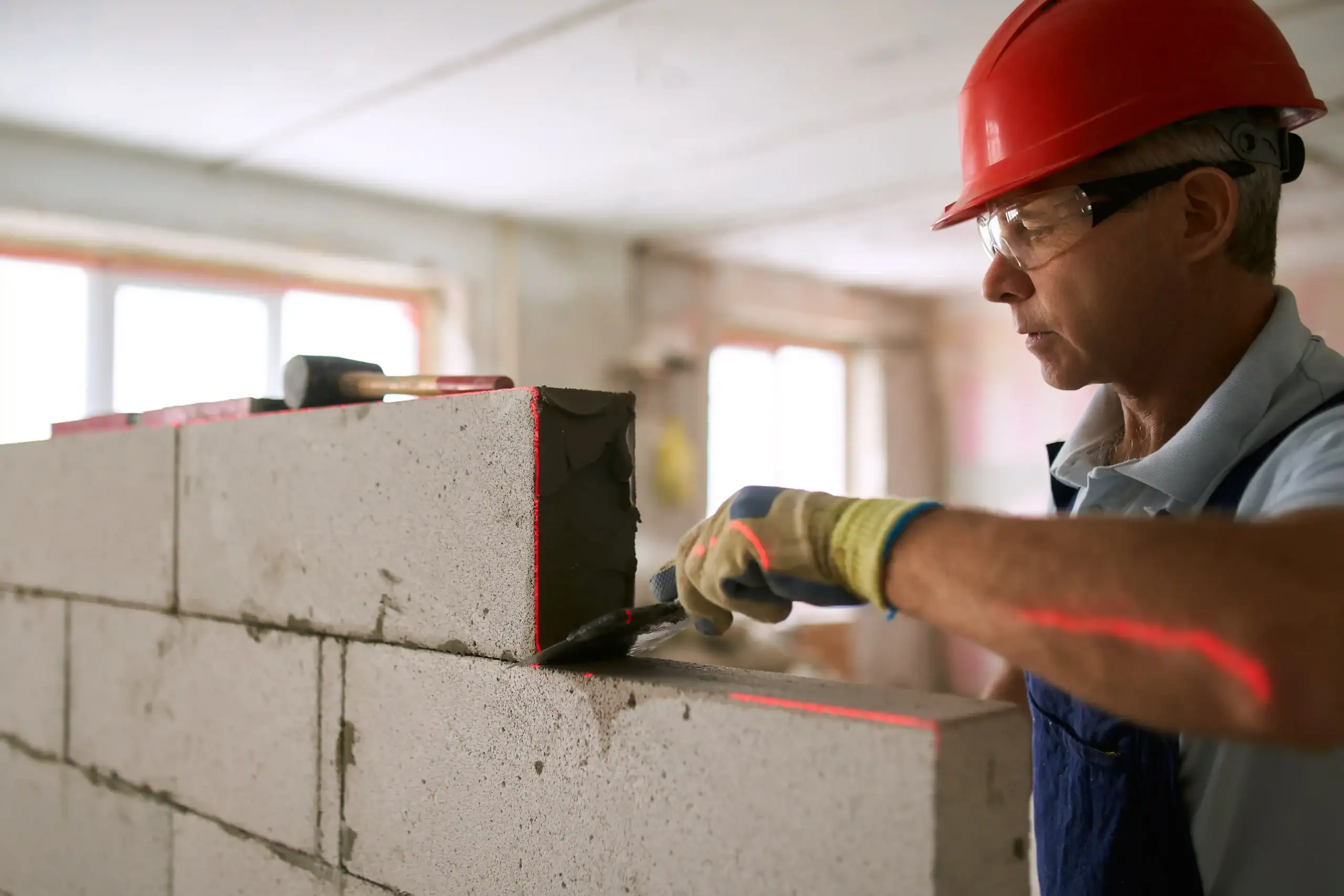
A lot of Aston homeowners have already been through the cycle a contractor shows up, does decent-looking work, and six months later something’s heaving, cracking, or separating. You call. No answer. It’s a pattern we see repeatedly in Delaware County.
The difference between work that holds and work that fails isn’t always visible on day one. It shows up after the first hard winter. Aston gets hit with 90 or more freeze-thaw cycles every year. That means every patio, every walkway, every retaining wall on your property is expanding and contracting repeatedly from November through March. Masonry built with the wrong materials or a lazy base prep doesn’t survive that not for long. When the base is right and the materials are specified for this climate, you stop replacing things every five years and start actually enjoying what you built.
A lot of the housing stock in Aston especially along Pennell Road and through the Aston Mills area was built between the 1940s and 1970s. That’s 55 to 80 years of freeze-thaw cycles, drainage shifts, and settling. If you’ve got brick steps, a stone retaining wall, or a mortar-jointed walkway from that era, it’s not a question of whether it needs attention it’s a question of how much longer you can wait before a patch job turns into a full replacement.
We aren’t a regional company that added Aston to a service area list. This is where we operate out of Aston, PA 19014. That matters more than it sounds. When a contractor is genuinely local, we’re accountable in a way that out-of-area crews simply aren’t. Neighbors talk. Word travels through Penn-Delco school events, through the Aston Community Center, through Nextdoor. A company that does poor work here feels it.
With over 15 years serving Delaware County, we’ve worked on the kind of properties that define this township older homes on sloped lots, creek-adjacent yards that need real drainage thinking, postwar Colonials and split-levels where the original masonry is well past its service life. Every project uses one experienced crew, start to finish. No subcontractor handoffs, no one showing up who hasn’t seen the site. Just consistent work from people who know what they’re doing.
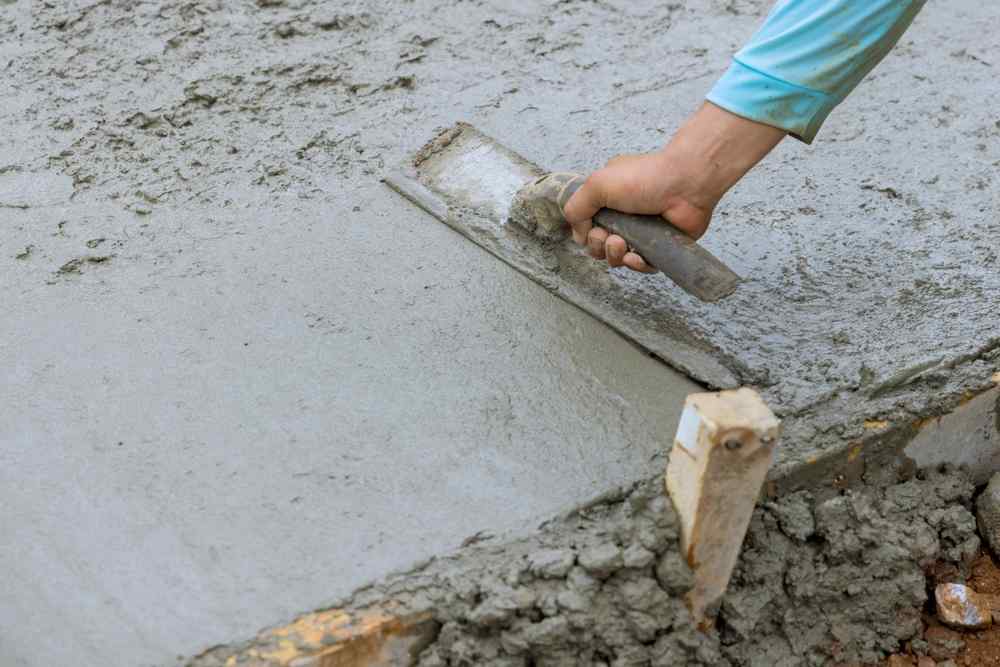
It starts with a site visit. Not a phone estimate, not a ballpark based on square footage an actual walkthrough of your property. For Aston homes, that means looking at slope, drainage, soil condition, and what’s already there. Chester Creek’s proximity and the terrain through the Aston Mills corridor mean drainage isn’t an afterthought it’s one of the first things we evaluate. A retaining wall without proper drainage behind it is a wall that’s already failing, just slowly.
From there, you get a written proposal with a specific scope, materials list, and timeline. Not a range of weeks an actual schedule. Once work starts, the same crew that walked your property is the crew doing the job. There are no handoffs, no strangers showing up on day three. If a project requires a permit retaining walls over four feet, for example, fall under Pennsylvania state code we handle that as part of the process, not drop it on you to figure out.
When the job is done, the site is clean. That’s not a bonus it’s part of the work. And if something comes up after the fact, you’re calling the same people who built it.
Ready to get started?
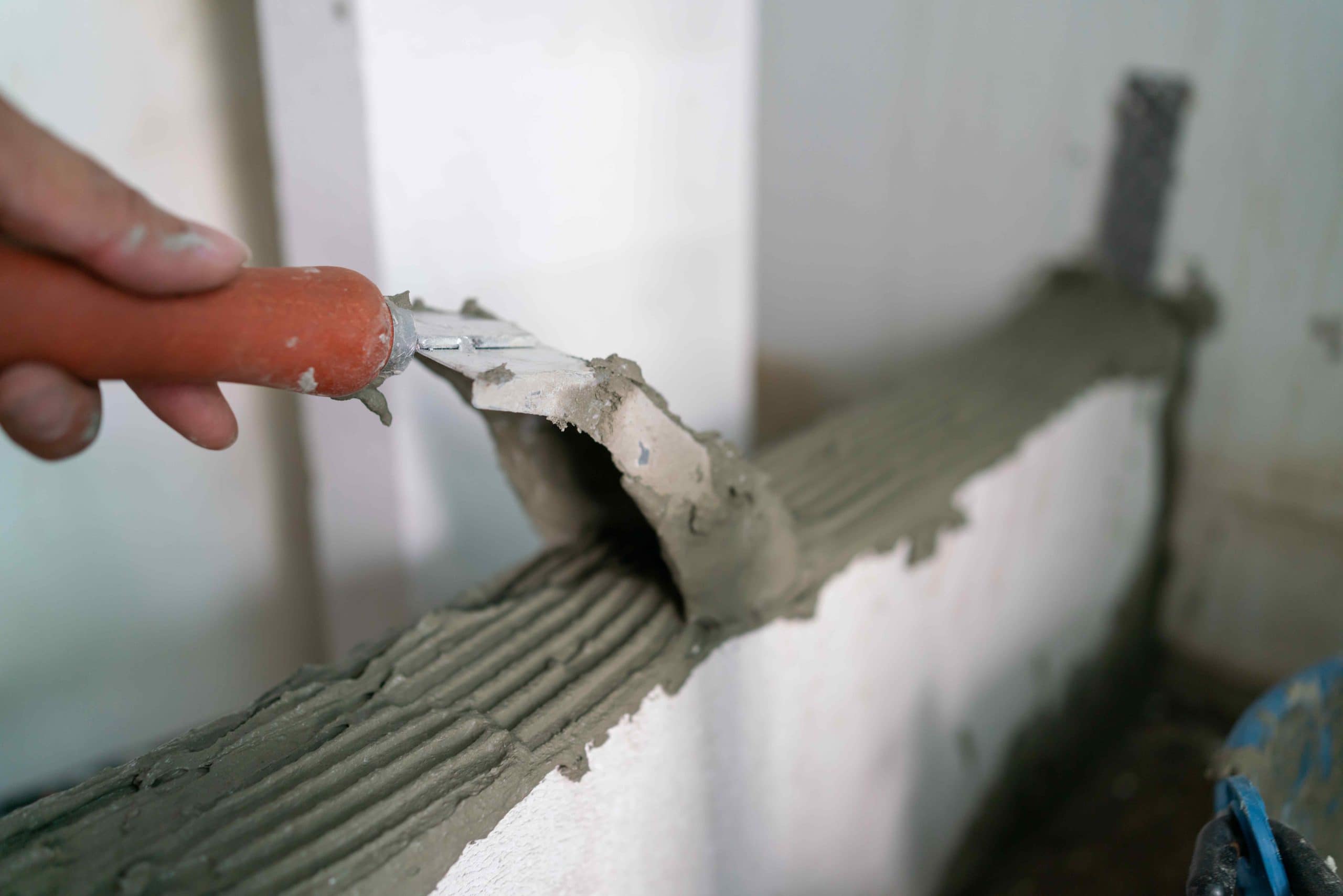
The masonry work we do covers the full range of what residential properties in this area typically need. Stone patios and brick walkways are the most common starting point especially on properties where the original concrete or paver work from the 1960s and 70s has finally given out. Retaining walls are a close second, and in Aston that’s often a functional necessity, not just an aesthetic one. Sloped lots along the creek corridors need walls that are engineered to handle water pressure and soil movement, not just stacked to look good.
Beyond new builds, masonry repair is a significant part of our work here. Cracked mortar joints, loose stone, spalling brick these aren’t cosmetic issues in Delaware County’s climate. They’re entry points for water, and once water gets in and freezes, the damage accelerates fast. Catching it early with proper repointing or targeted repair is almost always a fraction of the cost of a full replacement. Concrete curbing, decorative gravel installation, and outdoor fireplace features round out our service list each done as part of a complete hardscaping approach, not as standalone add-ons thrown together without a plan.
If you’re in a newer development like the Star Hill area off Pennell Road and starting fresh, or if you’ve owned your Aston home for 20 years and things are finally showing their age, the scope of work gets tailored to where you actually are not a package that sort of fits.
It depends on what’s being built. Under Pennsylvania state code, retaining walls under four feet in height generally don’t require a permit measured from the lowest adjacent grade to the top of the wall. But if that wall is supporting a surcharge meaning there’s a deck, fence, driveway, or other structure directly behind it a permit is required regardless of height. New patios and walkways at grade level typically don’t require permits either, though that can vary based on scope.
For anything you’re unsure about, Aston Township’s Code Department can be reached at (610) 494-0384. It’s worth a quick call before work starts rather than sorting it out after the fact. We handle the permit process as part of the project when one is required you won’t be left navigating that on your own.
It varies based on scope, but most residential masonry projects in Aston a patio installation, a retaining wall, a walkway rebuild run anywhere from a few days to two weeks of active work. What affects that timeline most is site preparation, material lead times, and weather. In Delaware County, spring and fall are the busiest booking windows, and reputable contractors typically fill their schedules two to three months out during those seasons.
The more important thing than raw duration is whether you get a real timeline upfront. A written schedule with a start date and projected completion is standard with every proposal we provide. If your project has a deadline a graduation party, a summer gathering, a planned outdoor event that gets factored in at the proposal stage, not after work has already started.
The key metric for freeze-thaw durability is water absorption rate. Materials that absorb more than about 3% moisture are vulnerable to the expansion-contraction cycle that Delaware County winters put every outdoor surface through. Natural bluestone and Pennsylvania fieldstone both come in around 1 to 2% absorption, which is why they’re common choices for patios and walkways in this region they handle the climate well without requiring the level of maintenance that softer materials do.
Concrete and brick vary significantly by product. Some concrete pavers are engineered specifically for freeze-thaw resistance; others aren’t, and the difference isn’t visible until year two or three. For mortar work repointing, joints on retaining walls, brick facades the mix matters as much as the material. Using the wrong mortar hardness on older Aston homes can actually cause more damage than it fixes, because a mortar that’s harder than the surrounding brick forces movement stress into the brick itself rather than the joint.
The honest answer is that it depends on what’s failing and why. Surface-level cracking in mortar joints, isolated loose stones, or minor spalling on a brick walkway are all candidates for repair targeted repointing, resetting individual units, or surface treatment. These are relatively straightforward jobs that, done correctly, add years of life to the existing structure without the cost of tearing everything out.
Full replacement becomes the right call when the base has failed, drainage was never properly installed, or the damage is widespread enough that patching would just be delaying the inevitable. In Aston, a lot of the masonry work that looks like a repair situation on the surface turns out to have a drainage or base problem underneath especially on older properties near Chester Creek or on sloped lots where water has been moving in the wrong direction for years. A site visit is the only reliable way to know which situation you’re actually dealing with, and that’s always the starting point.
This is one of the most common frustrations homeowners in Delaware County run into getting three quotes and having them range by thousands of dollars with no clear explanation. Some of it is legitimate: material choices, base depth, drainage inclusion, and crew experience all affect cost. A contractor pricing natural bluestone with proper compacted base and drainage is going to quote higher than someone pricing concrete pavers on a shallow sand bed, and five years from now you’ll understand exactly why.
Some of the variation comes from contractors quoting what you want to hear rather than what the job actually requires. Low bids that exclude drainage, skip proper base preparation, or assume you won’t notice the difference until after they’re paid and gone are a real pattern in this market. When you’re comparing quotes, ask specifically what base depth is included, whether drainage is part of the scope, and what happens if something fails within the first year. How a contractor answers those questions tells you more than the number itself.
Start with the basics: verify they’re registered under Pennsylvania’s Home Improvement Consumer Protection Act. Any contractor doing $5,000 or more in annual residential work is legally required to be registered with the PA Attorney General’s Office. It’s a searchable database, and it takes two minutes to check. An unregistered contractor means no formal legal recourse if something goes wrong no refund rights, no complaint process, no enforcement.
Beyond registration, look for contractors who are genuinely local not just claiming to serve your area, but actually operating out of it. In Aston, that matters because a contractor who lives and works in this township has real accountability in the community. Check for reviews that mention specific projects and specific people, not just generic praise. Ask for a written contract with a timeline before any deposit changes hands. If a contractor is slow to respond before you’ve hired them, that’s not a communication style that improves after the job starts it’s a preview.
Useful Links